
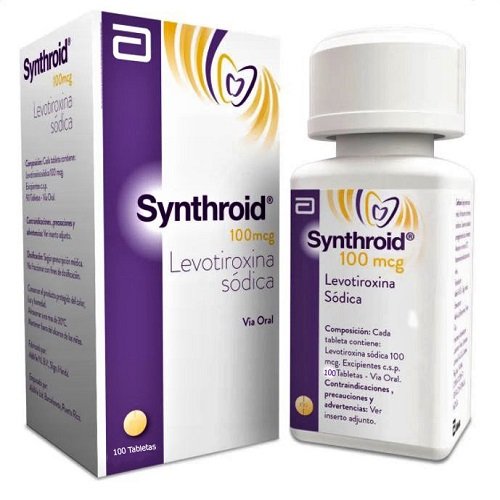

Synthroid 100 mcg (Levothyroxine): Uses, Dosage, Side Effects, Safety, and Frequently Asked Questions
What Is Synthroid 100 mcg?
Synthroid 100 mcg contains the active ingredient levothyroxine sodium, a synthetic form of thyroxine (T4), a hormone naturally produced by the thyroid gland.
It is a prescription thyroid hormone replacement medication used mainly to treat hypothyroidism (an underactive thyroid), a condition where the body does not produce enough thyroid hormone.
Synthroid helps restore normal thyroid hormone levels, supporting the body’s metabolism, energy production, growth, and development.
Available strengths may include:
- 25 mcg
- 50 mcg
- 75 mcg
- 100 mcg
- 112 mcg
- 125 mcg
- 150 mcg
- 175 mcg
- 200 mcg
- 300 mcg
How Synthroid Works
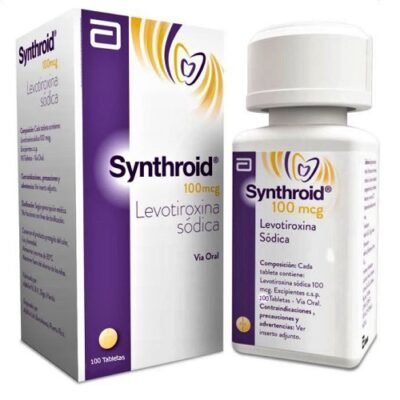
Levothyroxine is identical to the natural thyroid hormone T4 produced by the thyroid gland.
After absorption, the body converts some T4 into triiodothyronine (T3), the active thyroid hormone that helps regulate many body functions.
Synthroid helps:
- Restore normal thyroid hormone levels.
- Regulate metabolism.
- Support normal heart function.
- Maintain body temperature.
- Improve energy levels and concentration.
Synthroid 100 mcg Uses
Synthroid may be prescribed for:
Hypothyroidism
Including:
- Underactive thyroid gland.
- Hashimoto’s thyroiditis.
- Thyroid hormone deficiency after thyroid surgery.
- Thyroid hormone deficiency after certain thyroid treatments.
Thyroid Cancer Support
Higher doses may sometimes be used under specialist supervision to help suppress thyroid-stimulating hormone (TSH) after treatment for certain thyroid cancers.
Goiter Treatment
In some cases, levothyroxine may be used to help reduce thyroid enlargement caused by certain conditions.
Benefits of Synthroid 100 mcg
When used correctly, Synthroid may help:
- Restore normal thyroid hormone levels.
- Reduce symptoms of hypothyroidism.
- Improve energy and concentration.
- Support healthy metabolism.
- Maintain normal heart and body functions.
Synthroid 100 mcg Dosage
The correct dose depends on:
- Thyroid hormone levels.
- Age.
- Body weight.
- Heart health.
- Pregnancy status.
- Other medications.
- Individual response to treatment.
General guidance:
- Take exactly as prescribed.
- Dose adjustments are usually based on blood tests, especially TSH levels.
- Do not change your dose without medical advice.
How to Take Synthroid
For best absorption:
- Take Synthroid once daily on an empty stomach.
- Take it with a full glass of water.
- Take it consistently at the same time each day.
- Wait about 30–60 minutes before eating, unless your healthcare provider gives different instructions.
Avoid taking Synthroid at the same time as:
- Calcium supplements.
- Iron supplements.
- Certain antacids.
- Some cholesterol-lowering medicines.
These may reduce absorption.
Missed Dose
If you miss a dose:
- Take it when you remember.
- If it is close to your next dose, follow your healthcare provider’s advice.
- Do not take extra doses unless specifically instructed.
Common Side Effects
When the dose is correct, side effects are uncommon because Synthroid replaces a hormone your body needs.
Side effects may occur if the dose is too high and may include:
- Fast heartbeat.
- Nervousness.
- Tremors.
- Increased sweating.
- Trouble sleeping.
- Weight changes.
- Increased appetite.
- Feeling unusually warm.
- Anxiety.
Serious Side Effects
Seek medical attention if you experience:
- Chest pain.
- Rapid or irregular heartbeat.
- Severe shortness of breath.
- Severe headache.
- Signs of an allergic reaction.
- Symptoms of excessive thyroid hormone levels.
Long-term excessive dosing may increase the risk of heart rhythm problems or bone loss.
Safety Information
Before taking Synthroid, tell your healthcare provider if you have:
- Heart disease.
- High blood pressure.
- Diabetes.
- Osteoporosis.
- Adrenal gland problems.
- Thyroid disorders.
- Pregnancy or plans to become pregnant.
- Breastfeeding.
Older adults and people with heart disease may require careful dose adjustments.
Drug Interactions
Synthroid may interact with:
- Calcium supplements.
- Iron supplements.
- Antacids containing aluminum or magnesium.
- Cholestyramine.
- Colestipol.
- Some seizure medications.
- Certain antidepressants.
- Blood thinners such as warfarin.
Always tell your healthcare provider about all prescription medicines, over-the-counter products, vitamins, and supplements you take.
Alcohol and Synthroid
Alcohol does not have a major direct interaction with Synthroid. However, excessive alcohol use may affect thyroid health and overall medication management.
Pregnancy and Breastfeeding
Thyroid hormone is especially important during pregnancy.
If you are pregnant or planning pregnancy:
- Inform your healthcare provider.
- Your Synthroid dose may need adjustment.
- Regular thyroid blood tests are usually recommended.
Synthroid is generally considered compatible with breastfeeding when used at appropriate doses.
Storage
Store Synthroid tablets:
- At room temperature.
- Away from moisture, heat, and direct sunlight.
- In the original packaging.
- Out of reach of children.
Frequently Asked Questions (FAQs)
What is Synthroid 100 mcg used for?
Synthroid 100 mcg is used to replace thyroid hormone in people with hypothyroidism and other conditions requiring thyroid hormone supplementation.
Is Synthroid the same as levothyroxine?
Yes. Synthroid is a brand name for levothyroxine sodium.
Is Synthroid a thyroid medication?
Yes. It is a thyroid hormone replacement medication.
How long does Synthroid take to work?
Some symptoms may improve within a few weeks, but full effects may take several weeks as hormone levels stabilize.
Can I stop taking Synthroid when I feel better?
No. Hypothyroidism often requires long-term treatment. Stopping suddenly may cause thyroid hormone levels to fall again.
Can Synthroid cause weight loss?
Synthroid helps correct metabolism when thyroid hormone levels are low. Weight changes depend on whether thyroid hormone levels are properly controlled and other health factors.
Should Synthroid be taken with food?
No. It is usually recommended to take Synthroid on an empty stomach for better absorption.
Can older adults take Synthroid?
Yes. Older adults can take Synthroid, but they may need lower starting doses and careful monitoring.
What happens if I take too much Synthroid?
Taking too much may cause symptoms of excessive thyroid hormone, including fast heartbeat, anxiety, sweating, and chest discomfort. Seek medical advice if overdose is suspected.
Does Synthroid cure hypothyroidism?
No. Synthroid manages hypothyroidism by replacing missing thyroid hormone but does not cure most underlying causes.
Final Thoughts
Synthroid 100 mcg (levothyroxine) is a widely used thyroid hormone replacement medication that helps restore normal thyroid function in people with hypothyroidism. Taking the medication consistently and having regular thyroid blood tests are essential for safe and effective treatment.
Always take Synthroid exactly as prescribed and consult your healthcare provider before making any changes to your dose or treatment plan.
Medical Disclaimer: This article is for educational and informational purposes only and should not replace professional medical advice, diagnosis, or treatment. Always consult a qualified healthcare professional before starting, stopping, or changing any medication.
| Quantity | 30 Pills, 60 Pills, 120 Pills, 180 Pills, 200 Pills, 250 Pills, 300 Pills, 400 Pills, 500 Pills |
|---|
Be the first to review “Synthroid 100mcg”
Related products

Drugs

Drugs

Drugs

Drugs
Drugs

Drugs
Drugs
Drugs
Reviews
There are no reviews yet.