
Plavix 75 mg (Clopidogrel): Uses, Dosage, Side Effects, Safety, and Frequently Asked Questions
What Is Plavix 75 mg?
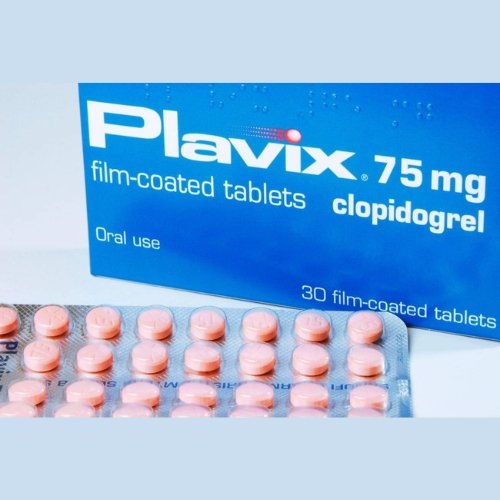
Plavix 75 mg contains the active ingredient clopidogrel, a prescription antiplatelet medication used to help prevent harmful blood clots from forming in blood vessels.
It is commonly prescribed for people who have had certain heart or blood vessel conditions, including heart attacks, strokes, coronary artery disease, or procedures such as coronary stent placement.
Plavix belongs to a group of medicines called P2Y12 platelet inhibitors. It helps reduce the ability of platelets (small blood cells involved in clotting) to stick together.
How Plavix Works
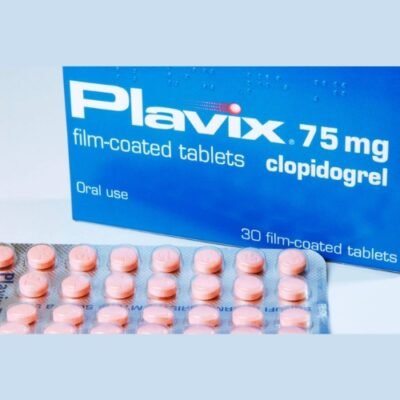
Clopidogrel works by blocking a receptor on platelets called P2Y12.
This helps:
- Prevent platelets from clumping together.
- Reduce the formation of blood clots.
- Lower the risk of heart attack and stroke in certain high-risk patients.
Plavix does not dissolve existing blood clots; it helps prevent new clots from forming.
Plavix 75 mg Uses
Plavix may be prescribed to:
Prevent Heart Attack and Stroke
- Reduce the risk of cardiovascular events in people with a history of heart attack or stroke.
- Help prevent complications from atherosclerosis (narrowing of arteries).
After Coronary Stent Placement
- Prevent blood clots from forming inside coronary stents.
- Often used with aspirin as part of dual antiplatelet therapy (DAPT) for a specific period determined by a healthcare provider.
Acute Coronary Syndrome (ACS)
Including:
- Unstable angina.
- Certain types of heart attack.
Peripheral Arterial Disease (PAD)
- Reduce the risk of clot-related complications affecting blood vessels outside the heart.
Benefits of Plavix 75 mg
When taken as prescribed, Plavix may help:
- Reduce the risk of heart attack.
- Reduce the risk of ischemic stroke.
- Prevent clot formation after certain heart procedures.
- Protect blood vessels in people with cardiovascular disease.
Plavix 75 mg Dosage
The usual maintenance dose for many adults is:
- 75 mg once daily
However, dosing depends on:
- The reason it is prescribed.
- Recent heart procedures.
- Other medicines being taken.
- Individual health factors.
General guidance:
- Take exactly as prescribed.
- Do not stop Plavix suddenly without medical advice, especially after receiving a coronary stent, as stopping may increase the risk of serious clotting events.
How to Take Plavix
For best results:
- Take the tablet at the same time each day.
- Swallow with water.
- It may be taken with or without food.
- Continue taking it even if you feel well, unless your healthcare provider tells you to stop.
Missed Dose
If you miss a dose:
- Take it as soon as you remember.
- If it is close to your next scheduled dose, skip the missed dose.
- Do not take two doses together.
Common Side Effects
Common side effects may include:
- Easy bruising.
- Nosebleeds.
- Longer bleeding time from cuts.
- Mild stomach discomfort.
- Diarrhea.
- Headache.
Because Plavix affects blood clotting, bleeding may occur more easily.
Serious Side Effects
Seek immediate medical attention if you experience:
- Unusual or severe bleeding.
- Blood in urine or stools.
- Vomiting blood.
- Severe headache or signs of a stroke.
- Severe allergic reaction.
- Unexplained weakness, fever, or extreme fatigue.
A rare but serious condition called thrombotic thrombocytopenic purpura (TTP) can occur and requires urgent medical treatment.
Safety Information
Before taking Plavix, tell your healthcare provider if you have:
- A history of bleeding problems.
- Stomach ulcers.
- Liver disease.
- Kidney disease.
- Recent surgery or planned surgery.
- A bleeding disorder.
- Pregnancy or plans to become pregnant.
- Breastfeeding.
Inform dentists and surgeons that you take clopidogrel before procedures.
Drug Interactions
Plavix may interact with:
- Blood thinners (such as warfarin).
- Other antiplatelet medicines.
- NSAIDs such as ibuprofen or naproxen.
- Some proton pump inhibitors (especially omeprazole and esomeprazole), which may reduce clopidogrel activation.
- Certain antidepressants that may increase bleeding risk.
Always tell your healthcare provider about all prescription medicines, over-the-counter drugs, vitamins, and supplements you use.
Alcohol and Plavix
Alcohol may increase the risk of stomach irritation and bleeding, especially when consumed heavily. Discuss alcohol use with your healthcare provider.
Pregnancy and Breastfeeding
If you are pregnant, planning pregnancy, or breastfeeding:
- Tell your healthcare provider before taking Plavix.
- Your healthcare provider will decide whether the benefits outweigh potential risks.
Storage
Store Plavix tablets:
- At room temperature.
- Away from moisture and direct sunlight.
- In the original packaging.
- Out of reach of children.
Frequently Asked Questions (FAQs)
What is Plavix 75 mg used for?
Plavix 75 mg is used to prevent blood clots and reduce the risk of heart attack, stroke, and other clot-related cardiovascular problems.
Is Plavix a blood thinner?
Plavix is commonly called a “blood thinner,” but technically it is an antiplatelet medicine. It prevents platelets from sticking together rather than directly thinning the blood.
Can I stop taking Plavix suddenly?
Do not stop Plavix without medical advice, especially after a heart stent or recent cardiovascular event. Stopping suddenly may increase the risk of dangerous blood clots.
Can I take aspirin with Plavix?
Some patients are prescribed both aspirin and Plavix together, but this combination increases bleeding risk and should only be taken under medical supervision.
Does Plavix cause bruising?
Yes. Easy bruising and longer bleeding from minor cuts are common because Plavix reduces platelet clotting activity.
Can Plavix be taken with food?
Yes. It can be taken with or without food.
How long does Plavix stay in the body?
The effect on platelets can last for several days after stopping because platelets are affected for their lifespan. Always follow medical advice before stopping treatment.
Can older adults take Plavix?
Yes. Plavix is commonly used in older adults, although they may require monitoring for bleeding risks.
What happens if I take too much Plavix?
Taking too much may increase the risk of serious bleeding. Seek emergency medical advice if an overdose is suspected.
Does Plavix dissolve cholesterol?
No. Plavix does not lower cholesterol or remove plaque. It helps prevent blood clots that can form when arteries are narrowed.
Final Thoughts
Plavix 75 mg (clopidogrel) is an important antiplatelet medication used to help prevent dangerous blood clots in people with certain heart and blood vessel conditions. It can significantly reduce the risk of heart attack and stroke when used correctly.
Because Plavix increases bleeding risk, it is important to take it exactly as prescribed, inform healthcare professionals before procedures, and report any unusual or severe bleeding symptoms promptly.
Medical Disclaimer: This article is for educational and informational purposes only and should not replace professional medical advice, diagnosis, or treatment. Always consult a qualified healthcare professional before starting, stopping, or changing any medication.
| Quantity | 30 Pills, 60 Pills, 120 Pills, 180 Pills, 200 Pills, 250 Pills, 300 Pills, 400 Pills, 500 Pills |
|---|
Be the first to review “Plavix 75mg”
Related products

Drugs
Drugs
Drugs
Drugs
Drugs
Drugs

Drugs

Drugs
Reviews
There are no reviews yet.