

Pseudoephedrine 30 mg: Uses, Dosage, Side Effects, Safety, and Frequently Asked Questions
What Is Pseudoephedrine 30 mg?
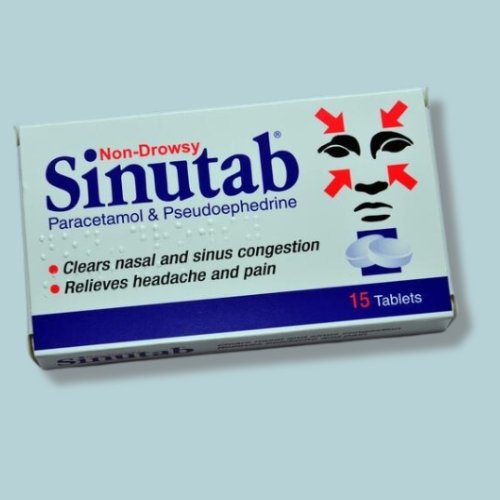
Pseudoephedrine 30 mg is an oral decongestant used to provide temporary relief from nasal congestion (blocked nose) caused by the common cold, influenza (flu), allergies (hay fever), and sinusitis. It works by narrowing swollen blood vessels in the nasal passages, making it easier to breathe.
Pseudoephedrine is available in several strengths and formulations, including:
- 30 mg tablets
- 60 mg tablets
- Extended-release tablets (e.g., 120 mg and 240 mg)
- Oral liquids and syrups (in some countries)
In many countries, pseudoephedrine is a pharmacy-only medicine or is sold behind the pharmacy counter because of regulations designed to prevent its misuse in the illicit production of methamphetamine. Identification or purchase limits may apply depending on local laws.
How Pseudoephedrine Works
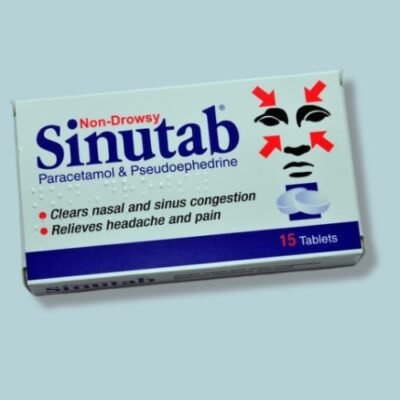
Pseudoephedrine is a sympathomimetic decongestant.
It works by:
- Constricting swollen blood vessels in the nasal lining.
- Reducing inflammation and swelling in the nasal passages.
- Improving airflow through the nose.
- Relieving pressure associated with sinus congestion.
It treats symptoms but does not cure the underlying infection or allergy.
Pseudoephedrine 30 mg Uses
Pseudoephedrine may be used to relieve:
Nasal Congestion
- Common cold.
- Influenza (flu).
- Allergic rhinitis (hay fever).
- Non-seasonal allergies.
Sinus Congestion
- Sinus pressure.
- Congestion associated with sinusitis.
Eustachian Tube Congestion
- In some cases, healthcare providers may recommend it to help relieve pressure affecting the ears.
Benefits of Pseudoephedrine 30 mg
When used as directed, pseudoephedrine may help:
- Relieve a blocked or stuffy nose.
- Improve breathing through the nose.
- Reduce sinus pressure.
- Ease congestion associated with colds and allergies.
- Improve comfort during upper respiratory illnesses.
Pseudoephedrine 30 mg Dosage
The correct dose depends on:
- Age.
- Medical condition.
- Other medications.
- Overall health.
General guidance:
- Take exactly as directed on the product label or as advised by your healthcare provider or pharmacist.
- Do not exceed the recommended dose or duration of use.
- If symptoms persist for several days or worsen, seek medical advice.
How to Take Pseudoephedrine
For best results:
- Swallow tablets with a full glass of water.
- It may be taken with or without food.
- Avoid taking it close to bedtime if it causes difficulty sleeping.
- Stay well hydrated while recovering from a cold or flu.
Missed Dose
Pseudoephedrine is often taken only when needed for congestion.
If you are taking it on a schedule:
- Take the missed dose as soon as you remember.
- If it is almost time for your next dose, skip the missed dose.
- Do not take two doses together.
Common Side Effects
Common side effects may include:
- Nervousness.
- Restlessness.
- Difficulty sleeping (insomnia).
- Increased heart rate.
- Dry mouth.
- Headache.
- Dizziness.
These side effects are usually mild and temporary.
Serious Side Effects
Seek immediate medical attention if you experience:
- Chest pain.
- Severe or irregular heartbeat.
- Difficulty breathing.
- Severe headache.
- Vision changes.
- Confusion.
- Signs of a severe allergic reaction, such as swelling of the face, lips, tongue, or throat.
Safety Information
Before taking pseudoephedrine, tell your healthcare provider if you have:
- High blood pressure.
- Heart disease.
- Diabetes.
- Hyperthyroidism.
- Glaucoma.
- Enlarged prostate or difficulty urinating.
- Kidney disease.
- Pregnancy or plans to become pregnant.
- Breastfeeding.
Pseudoephedrine may not be suitable for everyone, especially people with certain cardiovascular conditions.
Drug Interactions
Pseudoephedrine may interact with:
- Monoamine oxidase inhibitors (MAOIs) or if they have been taken within the past 14 days.
- Other decongestants.
- Stimulant medications.
- Some antidepressants.
- Blood pressure medications.
- Caffeine-containing products, which may increase stimulant effects.
Always tell your healthcare provider or pharmacist about all prescription medicines, over-the-counter products, vitamins, and herbal supplements you are taking.
Alcohol and Pseudoephedrine
Alcohol does not directly interact with pseudoephedrine, but it may worsen dizziness or interfere with recovery from illness. If you feel dizzy, avoid drinking alcohol until you know how the medication affects you.
Pregnancy and Breastfeeding
If you are pregnant, planning to become pregnant, or breastfeeding:
- Speak with your healthcare provider before using pseudoephedrine.
- It should only be used if the expected benefits outweigh the potential risks.
Storage
Store pseudoephedrine tablets:
- At room temperature.
- Away from heat, moisture, and direct sunlight.
- In the original packaging.
- Out of the reach of children.
Frequently Asked Questions (FAQs)
What is Pseudoephedrine 30 mg used for?
Pseudoephedrine 30 mg is used to temporarily relieve nasal and sinus congestion caused by colds, allergies, hay fever, and sinusitis.
Is pseudoephedrine an antibiotic?
No. Pseudoephedrine is a decongestant, not an antibiotic. It relieves congestion but does not treat bacterial infections.
Can pseudoephedrine raise blood pressure?
Yes. Pseudoephedrine can increase blood pressure and heart rate, so people with hypertension or heart disease should seek medical advice before using it.
Can pseudoephedrine keep me awake?
Yes. Insomnia and restlessness are common side effects. Avoid taking it late in the day if it affects your sleep.
Can I take pseudoephedrine with food?
Yes. It may be taken with or without food.
Can children take pseudoephedrine?
Some formulations may be appropriate for older children, but dosing depends on age and local recommendations. Do not give pseudoephedrine to a child unless the product labeling or a healthcare professional advises it.
Can older adults take pseudoephedrine?
Older adults may be more sensitive to its cardiovascular and nervous system effects. They should consult a healthcare provider before use.
What happens if I take too much pseudoephedrine?
An overdose may cause severe nervousness, rapid heartbeat, high blood pressure, hallucinations, seizures, or other serious symptoms. Seek emergency medical attention immediately if an overdose is suspected.
Is pseudoephedrine addictive?
Pseudoephedrine is not generally considered addictive when used as directed, but it can be misused. Use it only according to the instructions or your healthcare provider’s advice.
Does pseudoephedrine cure a cold?
No. Pseudoephedrine relieves nasal congestion but does not cure the common cold or other viral infections.
Final Thoughts
Pseudoephedrine 30 mg is an effective short-term treatment for relieving nasal and sinus congestion caused by colds, allergies, and other upper respiratory conditions. It can improve breathing and reduce sinus pressure, helping you feel more comfortable while your body recovers.
Because pseudoephedrine may raise blood pressure and cause insomnia or nervousness, it should be used with caution in people with certain medical conditions and only as directed. If symptoms persist, worsen, or are accompanied by a high fever or severe facial pain, consult a healthcare professional.
Medical Disclaimer: This article is for educational and informational purposes only and should not replace professional medical advice, diagnosis, or treatment. Always consult a qualified healthcare professional before starting, stopping, or changing any medication.
| Quantity | 30 Pills, 60 Pills, 120 Pills, 180 Pills, 200 Pills, 250 Pills, 300 Pills, 400 Pills, 500 Pills |
|---|
Be the first to review “Pseudoephedrine 30mg”
Related products
Drugs

Drugs
Drugs
Drugs

Drugs
Drugs
Drugs
Reviews
There are no reviews yet.