
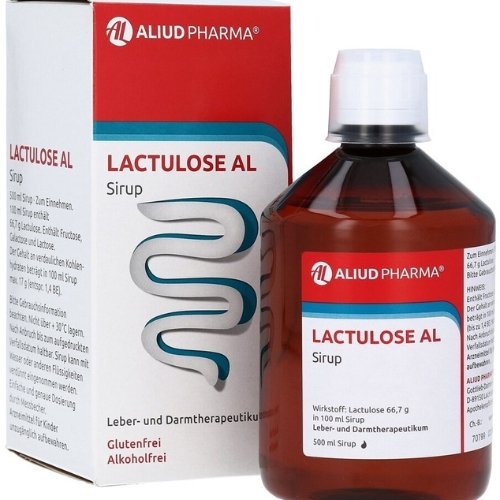
Lactulose 100ml
€20.00
Lactulose 100 mL is a well-established osmotic laxative used to relieve constipation and to help manage hepatic encephalopathy in people with advanced liver disease. It works by drawing water into the bowel to soften stools and, in liver disease, by reducing ammonia absorption.
Lactulose 100 mL: Uses, Dosage, Side Effects, Safety, and Frequently Asked Questions
What Is Lactulose 100 mL?
Lactulose 100 mL is an oral liquid medicine used to treat constipation and, in certain cases, to help manage hepatic encephalopathy, a complication of severe liver disease. It belongs to a class of medicines known as osmotic laxatives.
Lactulose works by drawing water into the bowel, making stools softer and easier to pass. In people with liver disease, it also helps reduce the amount of ammonia absorbed from the intestine, which can improve symptoms affecting the brain.
Lactulose is available in liquid form and may be prescribed for adults, children, and older adults when appropriate.
How Lactulose Works
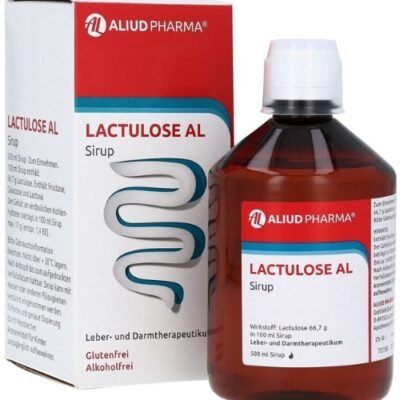
Lactulose is a synthetic sugar that is not absorbed into the bloodstream.
Once it reaches the large intestine, it is broken down by natural gut bacteria. This process:
- Draws water into the bowel.
- Softens hard stools.
- Increases bowel movement frequency.
- Makes stools easier to pass.
For hepatic encephalopathy, lactulose:
- Reduces ammonia production and absorption in the intestine.
- Helps lower blood ammonia levels.
- Supports improved mental function in people with severe liver disease.
Lactulose 100 mL Uses
Constipation
Lactulose is commonly prescribed to relieve constipation caused by:
- Hard stools.
- Infrequent bowel movements.
- Chronic constipation.
- Difficulty passing stools.
It helps restore more regular and comfortable bowel movements.
Hepatic Encephalopathy
Lactulose is also used under specialist medical supervision to help manage hepatic encephalopathy by reducing ammonia levels in people with advanced liver disease.
Benefits of Lactulose 100 mL
When used as directed, lactulose may help:
- Relieve constipation.
- Soften stools naturally.
- Reduce straining during bowel movements.
- Promote regular bowel habits.
- Improve symptoms associated with hepatic encephalopathy.
- Support overall digestive comfort.
Lactulose 100 mL Dosage
The appropriate dose depends on:
- The condition being treated.
- Age.
- Severity of constipation.
- Response to treatment.
- Other medical conditions.
General guidance:
- Take exactly as prescribed by your healthcare provider.
- Measure each dose using a medicine spoon, syringe, or measuring cup.
- Drink plenty of fluids unless advised otherwise.
- Do not increase the dose without medical advice.
The dose for hepatic encephalopathy is usually different from the dose used for constipation.
How to Take Lactulose 100 mL
For best results:
- Shake the bottle if instructed on the label.
- Measure the correct dose carefully.
- Take with or without food.
- It may be mixed with water, fruit juice, or milk if preferred.
- Continue treatment as directed.
Lactulose often takes 24 to 48 hours to relieve constipation, so it may not work immediately.
Missed Dose
If you forget a dose:
- Take it when you remember.
- Skip the missed dose if it is almost time for your next scheduled dose.
- Do not take two doses together.
Common Side Effects
Common side effects may include:
- Gas (flatulence).
- Bloating.
- Stomach cramps.
- Mild abdominal discomfort.
- Nausea.
- Diarrhoea, particularly if the dose is too high.
These side effects often improve as your body becomes used to the medicine.
Serious Side Effects
Seek medical attention if you experience:
- Severe or persistent diarrhoea.
- Signs of dehydration, such as excessive thirst, dizziness, or reduced urination.
- Severe abdominal pain.
- Blood in the stool.
- Symptoms of electrolyte imbalance, including muscle weakness or irregular heartbeat.
Safety Information
Before taking lactulose, tell your healthcare provider if you have:
- Diabetes.
- Galactosaemia.
- An intestinal blockage.
- Persistent unexplained abdominal pain.
- Problems digesting certain sugars.
People with diabetes should be aware that lactulose contains small amounts of sugars, although it usually has little effect on blood glucose when used as directed.
Drug Interactions
Lactulose may interact with:
- Other laxatives.
- Medicines that affect electrolyte levels.
- Some medicines used to treat liver disease.
Always inform your healthcare provider about all prescription medicines, over-the-counter products, vitamins, and herbal supplements you take.
Alcohol and Lactulose
There is no major direct interaction between alcohol and lactulose.
However, excessive alcohol consumption may worsen dehydration and digestive problems, particularly in people being treated for liver disease.
Pregnancy and Breastfeeding
If you are pregnant, planning pregnancy, or breastfeeding, speak with your healthcare provider before taking lactulose.
Lactulose is generally considered an appropriate option when needed, but treatment should always follow professional medical advice.
Storage
Store lactulose:
- At room temperature.
- Away from excessive heat and direct sunlight.
- Keep the bottle tightly closed.
- Out of reach of children.
Do not use after the expiry date.
Frequently Asked Questions (FAQs)
What is Lactulose 100 mL used for?
Lactulose is mainly used to treat constipation and is also prescribed to help manage hepatic encephalopathy in people with severe liver disease.
How long does lactulose take to work?
For constipation, lactulose usually begins working within 24 to 48 hours, although this varies from person to person.
Can I take lactulose every day?
Yes. Some people use lactulose daily for chronic constipation or liver disease under medical supervision.
Does lactulose cause diarrhoea?
Yes. Taking too much lactulose may cause diarrhoea. Your healthcare provider may adjust your dose if this occurs.
Can children take lactulose?
Yes. Lactulose may be prescribed for children, but the dose should be determined by a healthcare professional.
Can I mix lactulose with juice?
Yes. Lactulose may be mixed with water, fruit juice, or milk to improve its taste.
Is lactulose habit-forming?
No. Lactulose is not considered habit-forming when used as directed.
Can people with diabetes take lactulose?
Many people with diabetes can use lactulose, but they should discuss it with their healthcare provider because the product contains small amounts of sugars.
What should I do if lactulose does not work?
If constipation does not improve after several days or symptoms worsen, consult your healthcare provider.
What happens if I take too much lactulose?
Taking too much lactulose may cause severe diarrhoea, dehydration, stomach cramps, and electrolyte imbalance. Seek medical advice if an overdose is suspected.
Final Thoughts
Lactulose 100 mL is a well-established osmotic laxative used to relieve constipation and to help manage hepatic encephalopathy in people with advanced liver disease. It works by drawing water into the bowel to soften stools and, in liver disease, by reducing ammonia absorption.
For the best results, take lactulose exactly as directed, stay well hydrated, and continue treatment for the recommended duration. If you experience severe diarrhoea, dehydration, or persistent symptoms, contact your healthcare provider promptly.
Medical Disclaimer: This article is for educational and informational purposes only and should not replace professional medical advice, diagnosis, or treatment. Always consult a qualified healthcare professional before starting, stopping, or changing any medication.
Be the first to review “Lactulose 100ml”
Related products
Drugs
Drugs

Drugs
Drugs

Drugs
Drugs
Drugs
Drugs
Reviews
There are no reviews yet.