
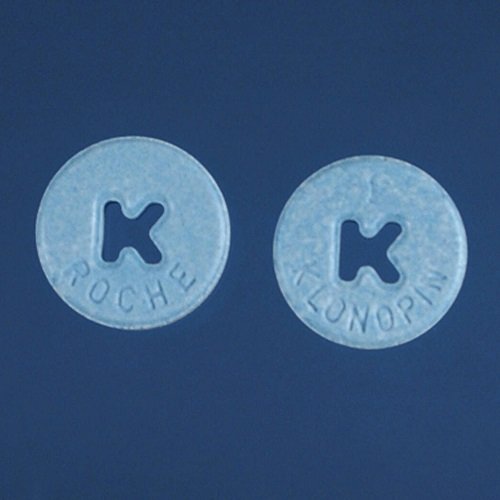
Klonopin 2mg

Price range: €120.00 through €820.00
Klonopin 2 mg (clonazepam) is a benzodiazepine medication used mainly for seizure control and panic disorder. It can be effective when used correctly but requires careful medical supervision because of risks including drowsiness, dependence, and withdrawal.
Klonopin 2 mg: Uses, Dosage, Side Effects, Safety, and Frequently Asked Questions
What Is Klonopin 2 mg?
Klonopin 2 mg is a prescription medicine containing clonazepam, a medication that belongs to a group of medicines called benzodiazepines.
It works by increasing the activity of gamma-aminobutyric acid (GABA), a natural chemical messenger in the brain that helps calm excessive nerve activity.
Klonopin is mainly prescribed for:
- Certain seizure disorders.
- Panic disorder.
- Some anxiety-related conditions (when clinically appropriate).
Because clonazepam can cause dependence and withdrawal symptoms, it should only be used under the supervision of a qualified healthcare professional.
How Klonopin Works
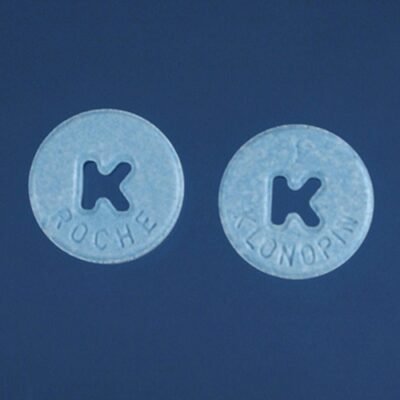
Clonazepam affects the brain’s communication system by enhancing GABA activity.
This helps:
- Reduce excessive electrical activity in the brain.
- Produce a calming effect.
- Decrease seizure activity.
- Reduce symptoms of panic in some people.
Klonopin 2 mg Uses
Panic Disorder
Klonopin may be prescribed to help manage panic disorder symptoms, including:
- Sudden episodes of intense fear.
- Severe anxiety symptoms.
- Physical symptoms linked to panic attacks.
Treatment decisions depend on individual circumstances and medical assessment.
Seizure Disorders
Clonazepam may be used to help control certain seizures, including:
- Absence seizures.
- Myoclonic seizures.
- Some forms of epilepsy.
- Other seizure conditions determined by a specialist.
Benefits of Klonopin 2 mg
When used as prescribed, Klonopin may help:
- Reduce seizure frequency.
- Control certain seizure symptoms.
- Decrease panic symptoms.
- Improve daily functioning for some people with anxiety-related disorders.
Klonopin 2 mg Dosage
The appropriate dose depends on:
- The condition being treated.
- Age.
- Medical history.
- Other medicines being used.
- Response to treatment.
General guidance:
- Take only as prescribed.
- Do not increase the dose without medical advice.
- Do not stop suddenly after regular use.
- Your healthcare provider may gradually adjust the dose to reduce side effects and withdrawal risks.
How to Take Klonopin 2 mg
For safe use:
- Take the tablet exactly as directed.
- Swallow with water.
- Take doses at the prescribed times.
- Avoid making changes without consulting your healthcare provider.
If you have been taking clonazepam regularly, stopping suddenly may cause withdrawal symptoms.
Missed Dose
If you miss a dose:
- Take it when you remember unless it is close to your next dose.
- Skip the missed dose if it is almost time for the next one.
- Do not take extra doses to replace a missed tablet.
Common Side Effects
Possible side effects include:
- Drowsiness.
- Dizziness.
- Tiredness.
- Reduced coordination.
- Difficulty concentrating.
- Slowed reactions.
- Memory problems.
These effects may be stronger when starting treatment or after dose changes.
Serious Side Effects
Seek urgent medical help if you experience:
- Severe breathing problems.
- Extreme drowsiness or difficulty staying awake.
- Severe confusion.
- Serious allergic reactions.
- Loss of consciousness.
- Unusual mood or behaviour changes.
Dependence and Withdrawal
Klonopin can cause physical dependence, especially with regular or long-term use.
Stopping suddenly may lead to withdrawal symptoms such as:
- Increased anxiety.
- Sleep problems.
- Irritability.
- Restlessness.
- Other symptoms requiring medical management.
Never stop clonazepam suddenly without advice from your healthcare provider.
Safety Information
Before taking Klonopin, tell your healthcare provider if you have:
- Breathing problems.
- Sleep apnoea.
- Liver disease.
- Kidney problems.
- A history of substance use problems.
- Depression or mood disorders.
- A history of medication sensitivity.
Older adults may be more sensitive to side effects such as dizziness and falls.
Drug Interactions
Klonopin may interact with:
- Opioid pain medicines.
- Other medicines that cause drowsiness.
- Sleeping medicines.
- Some anxiety medicines.
- Alcohol.
- Certain antidepressants and antipsychotic medicines.
Always provide your healthcare provider with a complete list of medicines and supplements you use.
Alcohol and Klonopin
Avoid combining alcohol with Klonopin unless specifically advised by a healthcare professional.
Alcohol can increase the risk of:
- Severe drowsiness.
- Poor coordination.
- Confusion.
- Dangerous breathing problems.
Pregnancy and Breastfeeding
If you are pregnant, planning pregnancy, or breastfeeding, discuss clonazepam use with your healthcare provider.
Your healthcare provider will consider the benefits and possible risks before recommending treatment.
Storage
Store Klonopin tablets:
- At room temperature.
- Away from moisture and heat.
- In the original container.
- Out of reach of children.
Do not use after the expiry date.
Frequently Asked Questions (FAQs)
What is Klonopin 2 mg used for?
Klonopin 2 mg is used mainly for certain seizure disorders and panic disorder.
Is Klonopin the same as Xanax?
No. Both are benzodiazepines, but they contain different active ingredients and have different durations of action.
Is Klonopin addictive?
Klonopin can cause dependence and has a risk of misuse, especially with long-term use or use outside medical guidance.
How long does Klonopin stay in the body?
Clonazepam has a relatively long duration of action, but how long it remains in the body varies depending on factors such as metabolism, age, and health conditions.
Can I stop taking Klonopin suddenly?
No. Sudden stopping can cause withdrawal symptoms. Dose reduction should be guided by a healthcare professional.
Does Klonopin make you sleepy?
Yes. Drowsiness and tiredness are common side effects.
Can Klonopin affect memory?
Some people may experience difficulty with memory or concentration while taking clonazepam.
Can Klonopin be used for anxiety?
It may be prescribed for certain anxiety-related conditions, especially panic disorder, but treatment decisions depend on individual medical evaluation.
Can children take Klonopin?
Clonazepam may be prescribed for children with certain seizure conditions, but dosing and safety require medical supervision.
What happens if too much Klonopin is taken?
Taking too much clonazepam can cause severe drowsiness, confusion, breathing problems, loss of consciousness, or other serious effects. Seek emergency medical help if an overdose is suspected.
Final Thoughts
Klonopin 2 mg (clonazepam) is a benzodiazepine medication used mainly for seizure control and panic disorder. It can be effective when used correctly but requires careful medical supervision because of risks including drowsiness, dependence, and withdrawal.
Always take Klonopin exactly as prescribed, avoid combining it with alcohol or other sedating substances unless advised by a healthcare professional, and discuss any concerns with your healthcare provider.
Medical Disclaimer: This article is for educational and informational purposes only and should not replace professional medical advice, diagnosis, or treatment. Always consult a qualified healthcare professional before starting, stopping, or changing any medication.
| Quantity | 30 Pills, 60 Pills, 120 Pills, 180 Pills, 200 Pills, 250 Pills, 300 Pills, 400 Pills, 500 Pills |
|---|
Be the first to review “Klonopin 2mg”
Related products

Drugs
Drugs

Drugs
Drugs

Drugs

Drugs
Drugs

Reviews
There are no reviews yet.