
Xanax 1 mg (Alprazolam): Uses, Dosage, Side Effects, Safety Information, and Frequently Asked Questions
What Is Xanax 1 mg?
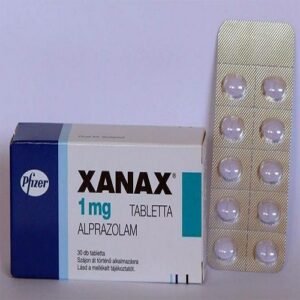
Xanax 1 mg is a prescription medication containing alprazolam, a medicine in the benzodiazepine class. It is primarily used for the short-term treatment of anxiety disorders and panic disorder in adults.
Alprazolam works by increasing the effects of gamma-aminobutyric acid (GABA), a natural chemical messenger in the brain that helps reduce excessive nervous system activity and produces a calming effect.
Because Xanax has the potential for misuse, dependence, addiction, and withdrawal, it should only be taken under the supervision of a qualified healthcare professional.
Active Ingredient
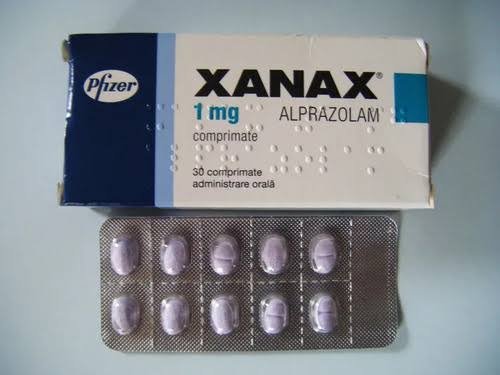
Brand name: Xanax
Active ingredient: Alprazolam
Strength: 1 mg tablet
Medication class: Benzodiazepine (anxiolytic)
Prescription status: Prescription-only controlled medication
Uses of Xanax 1 mg
1. Anxiety Disorders
Xanax may be prescribed to help manage symptoms of anxiety, including:
- Excessive worry.
- Nervousness.
- Restlessness.
- Muscle tension.
- Difficulty relaxing.
- Anxiety-related physical symptoms.
2. Panic Disorder
Xanax may also be used for panic disorder, including panic attacks with or without fear of certain situations. Symptoms may include:
- Sudden intense fear.
- Rapid heartbeat.
- Trembling.
- Shortness of breath.
- Feeling of loss of control.
How Xanax Works
Alprazolam enhances the activity of GABA, which slows overactive brain signals.
This may produce:
- Reduced anxiety.
- Relaxation.
- Sedation.
- Muscle relaxation.
- Calming effects.
Xanax 1 mg Dosage Information
- Take Xanax only as prescribed by your healthcare provider.
- The correct dose depends on your condition, age, medical history, and response to treatment.
- Tablets should be taken exactly as directed.
- Do not increase the dose without medical advice.
- Do not stop suddenly after regular use, as withdrawal reactions may occur. A gradual dose reduction may be required.
Possible Side Effects
Common side effects may include:
- Drowsiness.
- Dizziness.
- Fatigue.
- Reduced coordination.
- Difficulty concentrating.
- Memory problems.
- Blurred vision.
- Dry mouth.
- Slowed reaction time.
Serious Side Effects (Seek Medical Advice)
Seek urgent medical attention if you experience:
- Difficulty breathing.
- Extreme sedation.
- Confusion.
- Loss of consciousness.
- Severe mood changes.
- Hallucinations.
- Allergic reactions.
Using Xanax with opioids, alcohol, or other central nervous system depressants can increase the risk of severe sedation, breathing problems, coma, or death.
Safety Information
Before taking Xanax, tell your healthcare provider if you have:
- Breathing problems.
- Sleep apnea.
- Liver disease.
- Kidney disease.
- Depression or other mental health conditions.
- A history of substance misuse.
- Glaucoma.
Important Precautions
- Avoid alcohol while taking Xanax.
- Do not drive or operate machinery until you know how it affects you.
- Keep the medication stored securely.
- Do not share Xanax with another person.
Drug Interactions
Tell your healthcare provider about all medications you take, especially:
- Opioid pain medications.
- Other benzodiazepines.
- Sleeping medicines.
- Antidepressants.
- Antipsychotics.
- Muscle relaxants.
- Sedating antihistamines.
- Certain antifungal medicines.
Some medications can increase alprazolam effects and raise the risk of excessive sedation.
Dependence and Withdrawal
Long-term or repeated use of Xanax can lead to:
- Physical dependence.
- Tolerance.
- Withdrawal symptoms.
Possible withdrawal symptoms include:
- Increased anxiety.
- Trouble sleeping.
- Irritability.
- Tremors.
- Sweating.
- Seizures in severe cases.
Stopping Xanax suddenly after continued use can be dangerous; dose changes should be managed by a healthcare professional.
Frequently Asked Questions (FAQs)
What is Xanax 1 mg used for?
Xanax 1 mg is mainly used for anxiety disorders and panic disorder in adults.
Is Xanax the same as alprazolam?
Yes. Xanax is the brand name for the active ingredient alprazolam.
Is Xanax 1 mg a strong dose?
A 1 mg tablet is a commonly available strength, but the appropriate dose varies depending on the individual and medical condition.
Can Xanax make you sleepy?
Yes. Drowsiness and dizziness are among the most common effects.
Can I drink alcohol while taking Xanax?
No. Alcohol can increase sedation and may raise the risk of dangerous breathing problems.
Is Xanax addictive?
Xanax can cause dependence and has potential for misuse and addiction, especially when used incorrectly or for long periods.
Can Xanax be stopped suddenly?
No. Sudden discontinuation may cause withdrawal symptoms. A healthcare provider should guide any reduction.
Storage Information
- Store at room temperature.
- Protect from moisture and excessive heat.
- Keep in a secure location.
- Keep away from children and anyone who was not prescribed the medication.
Final Thoughts
Xanax 1 mg (alprazolam) is a prescription benzodiazepine used for anxiety disorders and panic disorder. When used correctly under medical supervision, it may help reduce severe anxiety symptoms.
Because Xanax carries risks of sedation, dependence, misuse, and withdrawal, it should be taken exactly as prescribed. Avoid alcohol, do not combine it with other sedatives unless instructed by a healthcare professional, and discuss any concerns with your doctor or pharmacist.
Disclaimer: This information is for educational purposes only and does not replace professional medical advice.
| Quantity | 100 Tablets, 200 Tablets, 500 Tablets |
|---|
Be the first to review “xanax 1mg”
Related products
ANXIETY
ANXIETY
ANXIETY
ANXIETY

ANXIETY

ANXIETY
ANXIETY
ANXIETY
Reviews
There are no reviews yet.