
Pharmaqo UK – IGF-1 LR3: Educational Guide to IGF-1 Long R3, Research Uses, Risks, and Safety
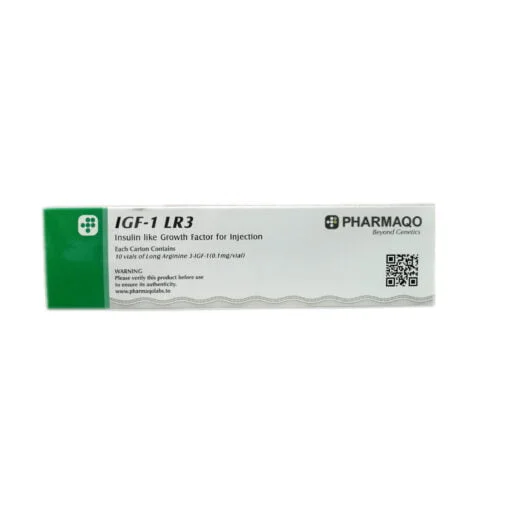
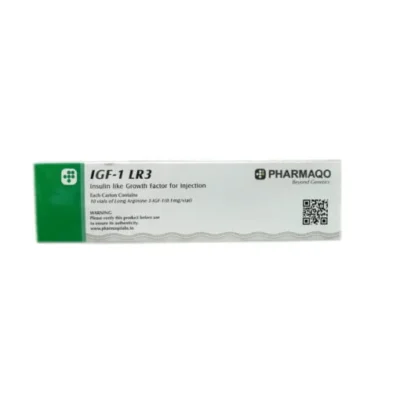
Pharmaqo UK – IGF-1 LR3 is a product name associated with IGF-1 Long R3, a modified analogue of insulin-like growth factor-1 (IGF-1). IGF-1 is a naturally occurring hormone involved in growth, development, metabolism, and cellular signaling.
IGF-1 LR3 is commonly discussed in laboratory research and performance-enhancement communities because its molecular structure is designed to alter the activity and duration of IGF-1-related signaling. However, research-grade products should not automatically be considered approved medicines or safe for human use…
The exact contents, purity, sterility, concentration, and authenticity of any specific product marketed as Pharmaqo UK – IGF-1 LR3 should be independently verified through reliable documentation.
What Is Pharmaqo UK – IGF-1 LR3?
Pharmaqo UK – IGF-1 LR3 is marketed as an IGF-1 LR3 product.
IGF-1 LR3 is commonly described as a modified version of insulin-like growth factor-1 with structural changes intended to alter its biological activity and duration.
The product may be associated with:
- IGF-1 Long R3
- Long R3 IGF-1
- Modified IGF-1
- Insulin-like growth factor-1 analogue
The specific formulation of any commercial product should not be assumed from its name alone.
Products sold outside regulated pharmaceutical supply chains may present concerns involving:
- Incorrect labeling
- Inaccurate concentration
- Contamination
- Counterfeit ingredients
- Poor manufacturing quality
What Is IGF-1?
Insulin-like growth factor-1 is a naturally occurring hormone involved in growth and development.
It is produced in multiple tissues, with the liver playing an important role in circulating IGF-1 production.
IGF-1 is closely associated with growth hormone signaling.
The growth hormone and IGF-1 system plays roles in:
- Childhood growth
- Bone development
- Muscle tissue
- Cellular growth
- Metabolism
- Tissue repair
IGF-1 activity is regulated by complex biological systems.
What Is IGF-1 LR3?
IGF-1 LR3 is a modified analogue of naturally occurring IGF-1.
The “LR3” designation refers to structural modifications that distinguish it from native IGF-1.
These modifications are intended to influence characteristics such as:
- Receptor interaction
- Biological activity
- Binding behavior
- Duration of activity
Because IGF-1 LR3 is a modified research compound, its effects cannot simply be assumed to be identical to naturally occurring IGF-1.
IGF-1 Receptors and Cell Signaling
IGF-1 interacts with the IGF-1 receptor, a receptor involved in cellular signaling.
Activation of the IGF-1 receptor can influence pathways associated with:
- Cell growth
- Cell survival
- Protein synthesis
- Metabolism
- Tissue development
These pathways are biologically complex.
The same signaling systems involved in normal growth and tissue repair can also raise questions about abnormal cellular proliferation when manipulated outside normal physiological conditions.
Research Applications
IGF-1-related compounds may be investigated in laboratory and preclinical research.
Research areas may include:
- Cellular signaling
- Muscle biology
- Metabolic pathways
- Tissue growth
- Regenerative research
- Receptor activity
Research use does not mean that a compound is approved for human treatment.
A laboratory compound should not automatically be regarded as a medicine.
Glucose Regulation and Hypoglycemia Concerns
IGF-1 has biological similarities to insulin in certain metabolic pathways.
This means that IGF-1-related compounds may potentially influence glucose regulation.
A major safety concern associated with manipulation of insulin-like signaling is the possibility of abnormally low blood glucose.
Potential symptoms of hypoglycemia may include:
- Sweating
- Shaking
- Dizziness
- Confusion
- Weakness
- Rapid heartbeat
- Difficulty concentrating
Severe hypoglycemia can become a medical emergency.
Anyone experiencing symptoms of serious low blood sugar should seek urgent medical attention.
Potential Effects on Cellular Growth
IGF-1 signaling is involved in cellular growth and survival.
This is a major reason why long-term safety questions are important when discussing experimental IGF-1 analogues.
The biological effects of stimulating growth-related pathways may vary depending on:
- Individual health
- Existing medical conditions
- Genetic factors
- Exposure
- Other substances
Long-term safety data for non-approved IGF-1 analogues may be limited.
Possible Health Risks
Potential concerns associated with experimental IGF-1-related compounds may include:
- Blood glucose disturbances
- Hypoglycemia
- Headache
- Dizziness
- Changes in metabolic function
- Abnormal tissue growth concerns
- Hormonal effects
The full long-term risk profile of an experimental compound may not be established.
Product Authenticity and Quality Concerns
A product labeled Pharmaqo UK – IGF-1 LR3 may not necessarily contain genuine IGF-1 LR3.
Potential concerns include:
- Counterfeit compounds
- Incorrect peptide sequences
- Inaccurate concentration
- Contamination
- Degradation
- Poor storage
- Lack of sterility
Peptide products can be particularly sensitive to storage and handling conditions.
Packaging, labels, batch numbers, or online product photographs do not independently prove purity or authenticity.
Sterility and Injectable Product Concerns
Some IGF-1 LR3 products are marketed in forms intended for injection.
Any injectable product raises additional concerns regarding:
- Sterility
- Bacterial contamination
- Endotoxins
- Manufacturing quality
- Storage conditions
Contaminated injectable products may cause serious infections or other complications.
Research-grade labeling does not guarantee suitability for injection into humans.
Storage and Stability
Peptide stability can be affected by environmental conditions.
Potential concerns include exposure to:
- Heat
- Light
- Repeated temperature changes
- Contamination
- Improper handling
A product may lose activity or become unsuitable if stored incorrectly.
Storage instructions should be obtained from reliable pharmaceutical or laboratory documentation.
IGF-1 LR3 and Sports Regulations
Many growth-related hormones and analogues are prohibited in competitive sport under anti-doping rules.
Athletes should consult the current regulations of their sport and anti-doping organization.
A compound being available online does not mean that it is permitted in competition.
Regulatory Considerations
The regulatory status of IGF-1 LR3 varies by country.
Research compounds may not be approved for:
- Human therapeutic use
- Retail pharmacy sale
- Medical treatment
- General consumer use
The phrase “research use only” does not make a compound safe for human use.
Individuals should consult applicable national laws and regulations.
Who May Face Greater Risks?
Particular caution is important for individuals with:
- Diabetes
- Blood glucose disorders
- Hormonal conditions
- Cancer or a history of cancer
- Endocrine disorders
- Metabolic disease
Anyone taking medicines that affect blood glucose or hormone signaling should seek professional medical advice before exposure to experimental compounds.
When to Seek Medical Attention
Urgent medical attention may be required for symptoms such as:
- Severe confusion
- Loss of consciousness
- Seizures
- Severe weakness
- Signs of severe hypoglycemia
- Serious allergic reaction
- Severe infection following exposure to an injectable product
Serious symptoms should never be ignored.
Frequently Asked Questions About Pharmaqo UK – IGF-1 LR3
What is Pharmaqo UK IGF-1 LR3?
It is a product name associated with IGF-1 Long R3, a modified analogue of insulin-like growth factor-1.
What does LR3 mean?
LR3 refers to structural modifications made to the IGF-1 molecule that alter its biological characteristics.
Is IGF-1 LR3 the same as natural IGF-1?
No. IGF-1 LR3 is a modified analogue and should not automatically be considered identical to naturally occurring IGF-1.
Is IGF-1 LR3 an approved medicine?
Regulatory status varies by country, but research compounds should not automatically be assumed to be approved for human treatment.
Can IGF-1-related compounds affect blood sugar?
Potentially. IGF-1 signaling is connected to metabolic pathways and may influence glucose regulation.
Are online IGF-1 LR3 products always genuine?
No. Products obtained outside regulated pharmaceutical or laboratory supply chains may be counterfeit, contaminated, degraded, or inaccurately labeled.
Is research-grade IGF-1 LR3 safe for human injection?
Research-grade labeling does not establish that a product is sterile, safe, or approved for human injection.
Final Educational Summary
Pharmaqo UK – IGF-1 LR3 is a product name associated with IGF-1 Long R3, a modified analogue of insulin-like growth factor-1.
IGF-1 is a naturally occurring hormone involved in growth, development, metabolism, and cellular signaling. IGF-1 LR3 is structurally modified and is commonly discussed in laboratory research and performance-enhancement contexts.
Important concerns include potential effects on blood glucose, possible hypoglycemia, cellular growth signaling, uncertain long-term safety, product authenticity, contamination, and the lack of reliable evidence for many non-medical uses.
Research-grade products should not automatically be considered approved medicines or safe for human use.
Anyone concerned about exposure to IGF-1 LR3 or another experimental hormone-related compound should consult a qualified healthcare professional.
Educational disclaimer: This article is provided for general educational and SEO purposes only. It does not endorse non-prescribed use of experimental compounds, does not confirm the composition of any specific product, and does not provide dosing or injection instructions.
Be the first to review “Pharmaqo Uk – IGF-1 LR3”
Related products
Injectable Steroids
Injectable Steroids
Injectable Steroids
Injectable Steroids
Injectable Steroids
Injectable Steroids
Injectable Steroids
Injectable Steroids
Reviews
There are no reviews yet.