
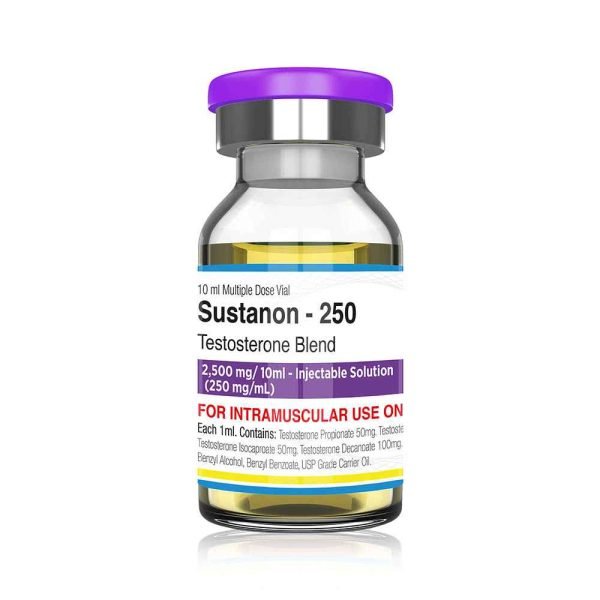

Pharmaqo UK – Sustanon 250: Testosterone Blend Information, Uses, Risks, and Safety
Pharmaqo UK – Sustanon 250 is a product name associated with a multi-ester testosterone blend commonly known as Sustanon 250. Sustanon-type formulations are designed to combine several testosterone esters with different release characteristics in a single injectable preparation.
The established pharmaceutical Sustanon 250 formulation contains four testosterone esters:
- Testosterone propionate
- Testosterone phenylpropionate
- Testosterone isocaproate
- Testosterone decanoate
The formulation is labeled as containing 250 mg of testosterone ester compounds per milliliter, while the total amount of actual testosterone hormone is 176 mg per milliliter.
However, a product sold under a non-regulated or underground-market brand should not automatically be assumed to have the same identity, concentration, sterility, purity, or manufacturing quality as an approved pharmaceutical product.
This educational guide explains what Sustanon 250 is, how multi-ester testosterone works, potential medical uses, possible side effects, hormonal suppression, fertility concerns, cardiovascular risks, injection-related complications, and product authenticity.
What Is Pharmaqo UK – Sustanon 250?
Pharmaqo UK – Sustanon 250 is marketed as a testosterone blend containing multiple testosterone esters.
The name “Sustanon 250” is commonly associated with a 250 mg/mL multi-ester testosterone formulation. The established pharmaceutical version combines four esterified forms of testosterone that are converted into testosterone in the body.
The product name can generally be understood as:
- Sustanon: a multi-ester testosterone formulation
- 250: the stated total amount of testosterone ester compounds per milliliter
The exact contents of a specific product should not be assumed solely from a label, product name, packaging, hologram, or online description.
Products obtained outside regulated pharmaceutical channels may potentially be:
- Genuine
- Underdosed
- Overdosed
- Counterfeit
- Contaminated
- Incorrectly labeled
- Different from the advertised formulation
What Is Sustanon?
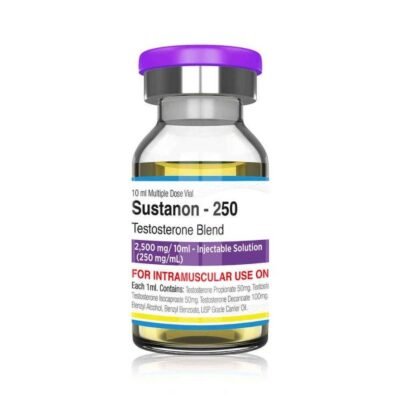
Sustanon is a combination of testosterone esters.
Each ester is converted by the body into testosterone. The ester groups influence how quickly the compounds are released and metabolized.
The established Sustanon 250 formulation contains:
- 30 mg testosterone propionate
- 60 mg testosterone phenylpropionate
- 60 mg testosterone isocaproate
- 100 mg testosterone decanoate
Together, these equal 250 mg of testosterone ester compounds per milliliter. The total amount of testosterone itself is listed as 176 mg per milliliter.
Understanding the Four Testosterone Esters
Testosterone Propionate
Testosterone propionate is generally considered a shorter-acting testosterone ester. It is associated with relatively quicker release compared with longer-chain esters.
Testosterone Phenylpropionate
Testosterone phenylpropionate has an intermediate release profile compared with shorter and longer testosterone esters.
Testosterone Isocaproate
Testosterone isocaproate contributes to the intermediate-to-longer release characteristics of the multi-ester blend.
Testosterone Decanoate
Testosterone decanoate is a longer-chain ester that contributes to the extended release characteristics of the formulation.
The combination of these esters creates a multi-phase release profile rather than relying on a single testosterone ester.
What Does “250” Mean?
The “250” in Sustanon 250 generally refers to 250 mg of testosterone ester compounds per milliliter.
This does not mean that the preparation contains 250 mg of pure, unesterified testosterone hormone.
The established pharmaceutical formulation contains 176 mg of testosterone itself per milliliter because the remaining molecular mass comes from the ester groups attached to testosterone.
The number 250 should not be interpreted as an individualized treatment dose.
What Is Testosterone?
Testosterone is a naturally occurring androgen hormone.
It plays important roles in:
- Sexual development
- Libido
- Muscle maintenance
- Bone health
- Red blood cell production
- Sperm production
- Body hair development
- Fat distribution
- Reproductive function
The body regulates testosterone through the hypothalamic-pituitary-gonadal axis.
External testosterone can interfere with this natural feedback system.
Medical Uses of Sustanon 250
The established pharmaceutical Sustanon 250 product is indicated for testosterone replacement therapy in adult men with confirmed testosterone deficiency associated with specific medical conditions. The diagnosis should be supported by clinical symptoms and biochemical testing. It may also be used as supportive therapy in certain gender-affirming treatment settings, depending on the applicable medical and regulatory framework.
Symptoms that may be evaluated include:
- Reduced libido
- Erectile problems
- Infertility
- Fatigue
- Depressed mood
- Loss of bone density
However, these symptoms can have many possible causes and do not automatically prove testosterone deficiency.
Testosterone and Natural Hormone Production
External testosterone can suppress the body’s natural production of testosterone.
When androgen levels rise, the hypothalamus and pituitary gland may reduce the signals that stimulate the testes.
This can decrease:
- Luteinizing hormone
- Follicle-stimulating hormone
- Natural testosterone production
- Sperm production
The degree of suppression varies between individuals.
Recovery after stopping external testosterone also varies and may take time.
Testosterone and Fertility
External testosterone can negatively affect fertility.
Potential effects include:
- Reduced sperm count
- Reduced sperm production
- Reduced fertility
- Changes in testicular function
Individuals planning to have children should discuss testosterone treatment with a qualified healthcare professional before starting therapy.
Fertility recovery after discontinuation is variable and cannot be assumed to occur immediately.
Potential Effects on Muscle and Body Composition
Testosterone has anabolic activity and contributes to protein metabolism and muscle tissue.
In people with clinically confirmed testosterone deficiency, medically supervised testosterone treatment may support certain aspects of physical function and body composition.
Individual responses vary according to:
- Genetics
- Age
- Existing hormone levels
- Diet
- Physical activity
- Sleep
- General health
Testosterone is not a substitute for diagnosing and treating an underlying medical condition.
Potential Side Effects
Testosterone treatment may cause a range of potential side effects.
These may include:
- Acne
- Oily skin
- Increased body hair
- Hair loss in genetically predisposed individuals
- Mood changes
- Increased red blood cell production
- Changes in cholesterol
- Blood-pressure changes
- Reduced sperm production
- Suppression of natural testosterone production
The risk and severity of side effects vary between individuals.
Cardiovascular Considerations
Testosterone can affect cardiovascular risk factors.
Potential concerns include:
- Increased blood pressure
- Changes in cholesterol
- Increased hematocrit
- Changes in lipid metabolism
Individuals with existing cardiovascular risk factors should seek professional medical advice before considering testosterone treatment.
A person may not experience obvious symptoms while blood pressure or cholesterol levels become abnormal.
Red Blood Cell Production
Testosterone can stimulate red blood cell production.
In some individuals, this may increase:
- Hemoglobin
- Hematocrit
- Red blood cell count
An excessive increase may require medical evaluation.
Chest pain, severe shortness of breath, sudden weakness, or serious vision changes require urgent medical attention.
Cholesterol Effects
Testosterone and other anabolic-androgenic hormones may affect lipid levels.
Potential changes may include:
- Lower HDL cholesterol
- Higher LDL cholesterol
- Changes in triglycerides
These changes may contribute to long-term cardiovascular risk.
Estrogen-Related Effects
Some testosterone is converted into estradiol through aromatization.
Changes in estrogen activity may contribute to:
- Breast tenderness
- Gynecomastia
- Fluid retention
- Mood changes
The degree of these effects varies considerably.
Individuals should not automatically self-prescribe additional hormone-modifying medication without professional medical advice.
Androgenic Effects
Testosterone may produce androgenic effects such as:
- Acne
- Increased oil production
- Increased facial hair
- Increased body hair
- Male-pattern hair loss
People with a genetic predisposition to hair loss may be more susceptible.
Psychological Effects
Changes in hormone levels may affect mood and behavior.
Possible effects include:
- Irritability
- Mood swings
- Anxiety
- Aggression
- Sleep changes
- Low mood after discontinuation
Severe or sudden changes in mood or behavior should be discussed with a healthcare professional.
Testosterone and the Prostate
Testosterone affects androgen-sensitive tissues, including the prostate.
People with prostate symptoms or a history of prostate-related disease should seek appropriate medical evaluation before testosterone treatment.
Symptoms such as:
- Difficulty urinating
- Weak urinary flow
- Frequent urination
- Blood in the urine
require medical assessment.
Testosterone and Sleep Apnea
Individuals with suspected or diagnosed sleep apnea should discuss testosterone treatment with a healthcare professional.
Possible symptoms include:
- Loud snoring
- Gasping during sleep
- Excessive daytime sleepiness
- Morning headaches
- Poor concentration
Liver Health
Injectable testosterone esters are different from many oral 17-alpha-alkylated anabolic steroids in how they are processed by the body.
However, liver health remains relevant because:
- Unregulated products may contain undisclosed substances
- Contamination is possible
- Multiple medicines or substances may be used together
- Existing liver disease may be present
Individuals with liver disease or abnormal liver tests should seek medical advice.
Injection-Related Risks
Injectable products carry risks associated with administration.
Potential complications include:
- Injection-site pain
- Swelling
- Inflammation
- Abscess formation
- Bacterial infection
- Allergic reactions
- Tissue injury
The approved pharmaceutical Sustanon 250 formulation is a clear, pale-yellow oil-based solution for deep intramuscular injection and contains specific excipients, including refined arachis oil and benzyl alcohol.
A product from a non-regulated source may use different ingredients or manufacturing processes, creating additional uncertainty regarding sterility and tolerability.
Severe or worsening redness, swelling, pain, fever, or pus following an injection requires medical attention.
Product Authenticity and Quality
A major concern with products obtained outside regulated pharmaceutical supply chains is uncertainty about their actual contents.
A vial labeled Sustanon 250 may not necessarily contain:
- The stated testosterone ester combination
- The stated concentration
- A sterile preparation
- A consistent concentration throughout the vial
Packaging, labels, security codes, and professional-looking presentation do not independently prove authenticity.
Why Batch Testing Matters
Formulations and manufacturing processes may change over time.
Potential changes may involve:
- Active ingredient concentration
- Ester ratios
- Carrier oil
- Preservatives
- Manufacturing processes
- Packaging
- Production facilities
A test result from one batch cannot automatically verify another.
Online discussions about Pharmaqo testosterone products also contain mixed anecdotal reports, including comments about product performance and injection-site reactions. These reports are not independent verification of the contents or quality of any specific vial.
Testosterone and Athletic Performance
Testosterone is sometimes used outside medical care for bodybuilding or athletic performance.
Non-medical use may involve risks such as:
- Hormonal suppression
- Fertility problems
- Cardiovascular complications
- Mood changes
- Product contamination
- Legal consequences
The approved Sustanon 250 patient information specifically warns that misuse of testosterone, especially in excessive amounts or alongside other anabolic steroids, can cause serious health problems affecting the heart and blood vessels, mental health, and liver.
Testosterone is also prohibited in many competitive sports under anti-doping regulations.
Medical Monitoring
Individuals receiving medically supervised testosterone therapy may require monitoring based on their personal health circumstances.
Possible assessments may include:
- Testosterone levels
- Complete blood count
- Hemoglobin
- Hematocrit
- Blood pressure
- Lipid profile
- Liver function tests when clinically indicated
- Prostate-related evaluation when appropriate
The appropriate monitoring schedule should be determined by a qualified healthcare professional.
Who Should Seek Medical Advice Before Testosterone Therapy?
Medical evaluation is especially important for people with:
- Heart disease
- High blood pressure
- High cholesterol
- Liver disease
- Kidney disease
- Sleep apnea
- Prostate problems
- Fertility concerns
- A history of blood clots
This list is not exhaustive.
Important Warning Signs
Urgent medical attention may be required for:
- Chest pain
- Severe shortness of breath
- Sudden weakness
- Severe allergic reactions
- High fever
- Severe injection-site swelling
- Spreading redness
- Pus or drainage
- Severe mood or behavioral changes
These symptoms should not be ignored.
Frequently Asked Questions
What is Pharmaqo UK – Sustanon 250?
It is a product name associated with a multi-ester testosterone blend commonly known as Sustanon 250.
What testosterone esters are found in pharmaceutical Sustanon 250?
The established formulation contains testosterone propionate, testosterone phenylpropionate, testosterone isocaproate, and testosterone decanoate.
What does 250 mean?
It generally refers to 250 mg of testosterone ester compounds per milliliter.
Is there 250 mg of pure testosterone in every milliliter?
No. The established pharmaceutical formulation contains 250 mg of ester compounds but 176 mg of testosterone itself per milliliter.
Can testosterone suppress natural hormone production?
Yes. External testosterone can suppress the body’s natural testosterone production.
Can Sustanon affect fertility?
Yes. External testosterone may reduce sperm production and fertility.
Can testosterone affect cholesterol?
Yes. Testosterone may produce unfavorable changes in cholesterol levels.
Can testosterone increase red blood cells?
Yes. Testosterone can stimulate red blood cell production and may increase hematocrit.
Can testosterone cause acne?
Yes. Increased androgen activity may contribute to acne and oily skin.
Can testosterone cause hair loss?
It may accelerate male-pattern hair loss in genetically predisposed individuals.
Does packaging prove authenticity?
No. Packaging and labeling alone cannot independently verify the identity, purity, concentration, or sterility of an injectable product.
Can different batches vary?
Yes. Formulation, concentration, manufacturing quality, and authenticity may vary between batches.
Conclusion
Pharmaqo UK – Sustanon 250 is associated with a multi-ester testosterone formulation commonly containing testosterone propionate, phenylpropionate, isocaproate, and decanoate. In the established pharmaceutical formulation, these total 250 mg of testosterone ester compounds per milliliter, corresponding to 176 mg of actual testosterone per milliliter.
Testosterone affects the reproductive system, cardiovascular system, blood production, skin, hair, mood, and natural endocrine function. Potential concerns include hormonal suppression, reduced fertility, increased hematocrit, cholesterol changes, blood-pressure changes, androgenic effects, psychological changes, and injection-related complications.
Products obtained outside regulated pharmaceutical channels may also carry additional risks related to authenticity, sterility, contamination, inaccurate labeling, and inconsistent concentration.
Anyone considering testosterone therapy should seek appropriate medical evaluation and professional monitoring.
Educational disclaimer: This article is for general educational and informational purposes only. It is not a prescription, personalized medical advice, or instructions for non-prescribed anabolic-steroid use.
Be the first to review “Pharmaqo UK – Sustanon 250”
Related products
Injectable Steroids
Injectable Steroids

Injectable Steroids
Injectable Steroids

Injectable Steroids
Injectable Steroids
Injectable Steroids
Injectable Steroids
Reviews
There are no reviews yet.