
Intex Pharma TE-300: Testosterone Enanthate 300mg (Test E) Effects and Safety Guide
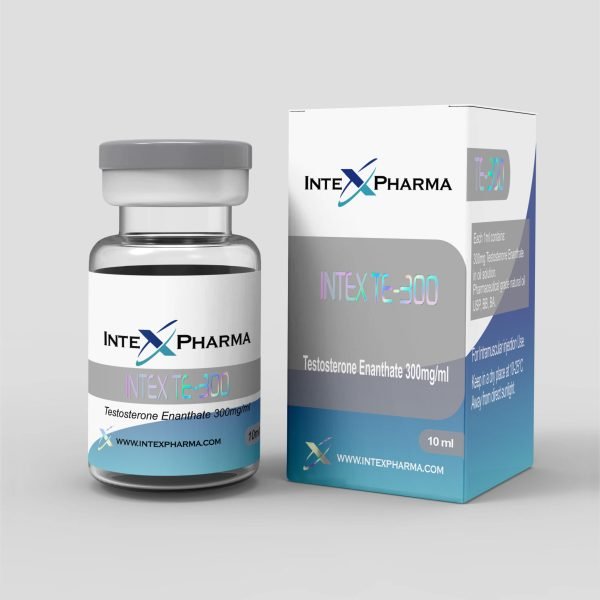
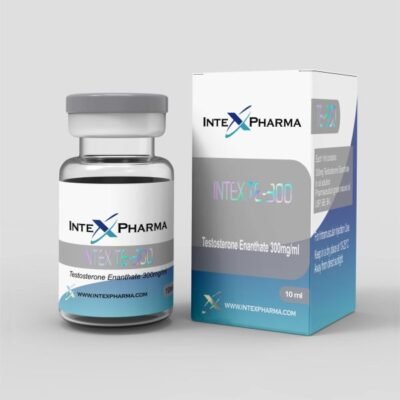
Intex Pharma TE-300 is marketed as an injectable testosterone product containing testosterone enanthate, commonly known as Test E. The “300” designation generally refers to a stated concentration of 300 mg per mL, although the exact formulation, concentration, purity, sterility, manufacturing quality, and regulatory status of any specific Intex Pharma product should be independently verified.
Testosterone enanthate is a long-acting ester of testosterone. In regulated medical settings, testosterone therapy may be prescribed for specific forms of testosterone deficiency after appropriate clinical evaluation. Testosterone is also widely discussed in bodybuilding and performance-enhancement communities because of its anabolic and androgenic activity.
However, testosterone enanthate is not a dietary supplement. Exogenous testosterone can affect natural hormone production, fertility, blood pressure, red blood cell levels, cholesterol, cardiovascular health, mood, and other androgen-sensitive systems.
What Is Intex Pharma TE-300?
Intex Pharma TE-300 is marketed as an injectable product associated with testosterone enanthate.
The product is generally described as:
- Active compound: Testosterone enanthate
- Common name: Test E
- Stated concentration: 300 mg per mL
- Administration: Injectable
- Brand: Intex Pharma
Testosterone enanthate is an esterified form of testosterone designed to provide a longer-lasting release of testosterone after administration. However, a product marketed under a particular brand should not automatically be assumed to contain the stated amount or to meet the manufacturing standards of a regulated pharmaceutical product.
Understanding Testosterone Enanthate
Testosterone enanthate is a prodrug form of testosterone. After administration, the ester is gradually cleaved, releasing testosterone that can interact with androgen receptors throughout the body.
Testosterone can also be converted into other active hormones, including:
- Dihydrotestosterone (DHT) through 5-alpha-reductase
- Estradiol (E2) through aromatase
These pathways help explain why testosterone exposure can produce a wide range of effects. The response can vary according to factors such as age, sex, genetics, baseline hormone levels, body composition, medical history, and other medications or substances.
Why Is Test E Discussed in Bodybuilding?
Testosterone enanthate is widely discussed in bodybuilding and performance-enhancement communities because of its anabolic and androgenic properties.
Potential effects associated with increased androgen exposure may include:
- Changes in muscle mass
- Changes in strength
- Increased training recovery
- Changes in body composition
- Increased libido in some individuals
- Changes in red blood cell production
These effects are not guaranteed and should be considered alongside potential health risks.
The fact that testosterone enanthate is discussed in performance-enhancement communities does not mean that unsupervised use is safe.
Natural Testosterone Suppression
One of the most important effects of exogenous testosterone is suppression of the body’s natural testosterone production.
The body normally regulates testosterone production through the hypothalamic-pituitary-gonadal axis. When external testosterone is introduced, the body may reduce its own hormonal signaling.
Potential effects may include:
- Reduced natural testosterone production
- Reduced luteinizing hormone (LH)
- Reduced follicle-stimulating hormone (FSH)
- Reduced sperm production
- Testicular shrinkage
- Fertility problems
The extent and duration of suppression vary between individuals.
Anyone concerned about fertility or planning to have children should seek appropriate medical advice before using exogenous testosterone.
Testosterone Enanthate and Fertility
External testosterone can significantly affect male reproductive function.
Although testosterone may increase blood testosterone levels, it can reduce the hormonal signals required for sperm production. As a result, some users may experience reduced sperm count or impaired fertility.
Fertility recovery after discontinuing exogenous testosterone is variable and cannot be guaranteed to occur immediately.
Individuals with fertility concerns should discuss their situation with a qualified healthcare professional rather than relying on online bodybuilding protocols.
Effects on Cholesterol
Anabolic-androgenic steroid exposure can affect blood lipid levels.
Potential changes may include:
- Reduced HDL cholesterol
- Increased LDL cholesterol
- An unfavorable overall lipid profile
Changes in cholesterol may contribute to long-term cardiovascular risk.
Because lipid abnormalities often produce no obvious symptoms, a person may feel healthy while significant changes are occurring internally. Appropriate medical assessment may therefore be important when testosterone therapy or anabolic steroid exposure is involved.
Cardiovascular Considerations
Testosterone and other anabolic-androgenic steroids may affect several cardiovascular risk factors.
Potential concerns may include:
- Increased blood pressure
- Changes in cholesterol
- Increased red blood cell production
- Increased blood viscosity
- Cardiovascular strain
Individuals with existing cardiovascular disease, high blood pressure, abnormal cholesterol, or other cardiovascular risk factors should seek appropriate professional medical advice before exposure to testosterone.
Effects on Red Blood Cell Production
Testosterone can stimulate red blood cell production.
In some individuals, this may result in elevated hematocrit or hemoglobin levels. Excessive increases can increase blood viscosity and may require medical assessment.
This is one reason that medically supervised testosterone treatment may involve blood testing and ongoing monitoring.
Unsupervised use can make it more difficult to identify potentially harmful changes before complications develop.
Estrogen-Related Effects
Testosterone can be converted into estradiol through aromatization.
Changes in estrogen levels may contribute to symptoms such as:
- Breast tenderness
- Fluid retention
- Changes in mood
- Changes in libido
The relationship between testosterone and estradiol is complex, and symptoms alone cannot reliably determine hormone levels.
Self-treatment with additional hormone-modifying medicines can create further health risks and should not replace appropriate medical evaluation.
Potential Androgenic Effects
Testosterone has androgenic activity and may cause effects involving androgen-sensitive tissues.
Potential effects may include:
- Acne
- Oily skin
- Increased facial or body hair
- Male-pattern hair loss in genetically predisposed individuals
- Changes in libido
The likelihood and severity of these effects vary between individuals.
Effects in Women
Women may be particularly sensitive to androgenic exposure.
Potential effects may include:
- Deepening of the voice
- Increased facial or body hair
- Acne
- Menstrual changes
- Clitoral enlargement
Some virilizing effects may be difficult or impossible to reverse.
Testosterone exposure during pregnancy may also pose serious risks to fetal development.
Mood and Psychological Effects
Changes in androgen levels can affect psychological well-being.
Some individuals may experience changes in:
- Mood
- Irritability
- Anxiety
- Sleep
- Emotional stability
Significant changes in mood or behavior should be taken seriously.
Anyone experiencing severe psychological symptoms should seek appropriate professional medical support.
Injection and Product Quality Considerations
The quality and authenticity of an injectable product are important safety considerations.
Products obtained outside regulated pharmaceutical supply chains may carry risks related to:
- Incorrect active ingredients
- Incorrect concentration
- Counterfeit packaging
- Contamination
- Poor manufacturing standards
- Inaccurate labeling
- Improper storage
- Lack of sterility assurance
A label stating TE-300 does not independently prove that a product contains 300 mg/mL of testosterone enanthate.
Packaging, product photographs, online reviews, and seller claims cannot independently confirm a product’s identity, purity, actual concentration, or sterility.
Is Intex Pharma TE-300 a Dietary Supplement?
No. Testosterone enanthate is a pharmacologically active androgen and anabolic steroid.
It can affect:
- Natural testosterone production
- Fertility
- Cholesterol
- Blood pressure
- Red blood cell production
- Cardiovascular health
- Skin and hair
- Mood and psychological well-being
It should therefore not be treated as an ordinary nutritional supplement.
Important Safety Considerations
Anyone considering testosterone enanthate should understand that online product descriptions cannot replace professional medical advice.
Particular caution may be necessary for individuals with:
- Cardiovascular disease
- High blood pressure
- Abnormal cholesterol
- Liver disease
- Kidney disease
- Fertility concerns
- Hormonal disorders
- A history of significant mood disorders
Individuals who develop severe symptoms such as chest pain, severe shortness of breath, unusual swelling, or serious psychological changes should seek appropriate medical attention.
Frequently Asked Questions About Intex Pharma TE-300
What is Intex Pharma TE-300?
Intex Pharma TE-300 is marketed as an injectable testosterone enanthate product with a stated concentration of 300 mg per mL.
What is Test E?
Test E is a common abbreviation for testosterone enanthate, a long-acting ester of testosterone.
What are the potential effects of testosterone enanthate?
Potential effects associated with increased testosterone exposure may include changes in muscle mass, strength, libido, body composition, and red blood cell production.
Can testosterone enanthate suppress natural testosterone production?
Yes. Exogenous testosterone can suppress the body’s natural hormonal signaling and testosterone production.
Can Test E affect fertility?
Yes. External testosterone can suppress sperm production and may impair fertility.
Can testosterone enanthate affect cholesterol?
Yes. Androgenic and anabolic steroid exposure may cause unfavorable changes in blood lipid levels.
Can testosterone enanthate increase red blood cells?
Yes. Testosterone can stimulate red blood cell production, and excessive increases may require medical assessment.
Can women experience side effects from testosterone?
Yes. Women may experience androgenic and virilizing effects, some of which may be difficult or impossible to reverse.
Is Intex Pharma TE-300 a supplement?
No. Testosterone enanthate is a pharmacologically active hormone and anabolic-androgenic steroid.
Final Thoughts
Intex Pharma TE-300 is marketed as an injectable testosterone enanthate product with a stated concentration of 300 mg per mL. Testosterone enanthate is a long-acting testosterone ester used in regulated medical settings for appropriate clinical indications and is also widely discussed in bodybuilding and performance-enhancement communities.
However, exogenous testosterone can produce significant effects throughout the body. Potential concerns include suppression of natural hormone production, fertility problems, unfavorable cholesterol changes, increased red blood cell production, blood-pressure changes, cardiovascular risks, androgenic effects, and mood-related changes.
The specific Intex Pharma product should be considered separately from the established pharmacology of testosterone enanthate. Its branding and label alone cannot independently confirm its actual identity, concentration, purity, sterility, or manufacturing quality.
Anyone considering testosterone enanthate or who has used a product marketed as TE-300 should seek appropriate professional medical guidance and discuss any concerning symptoms with a qualified healthcare professional.
SEO Title: Intex Pharma TE-300: Testosterone Enanthate 300mg Guide
Meta Description: Learn about Intex Pharma TE-300, marketed as Testosterone Enanthate 300mg, including potential effects, hormonal suppression, fertility concerns, cholesterol risks, cardiovascular effects, and safety considerations.
Focus Keyword: Intex Pharma TE-300
Secondary Keywords: Testosterone Enanthate 300mg, Test E 300, Intex Pharma Test E, TE-300 testosterone, testosterone enanthate safety, testosterone enanthate risks, anabolic steroid risks
Be the first to review “Intex Pharma TE-300 (Testosterone Enanthate, Test E)”
Related products
Injectable Steroids

Injectable Steroids
Injectable Steroids
Injectable Steroids
Injectable Steroids
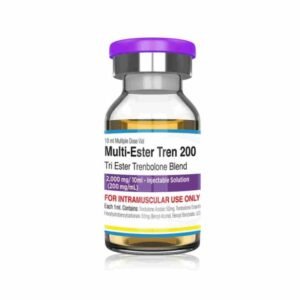
Injectable Steroids
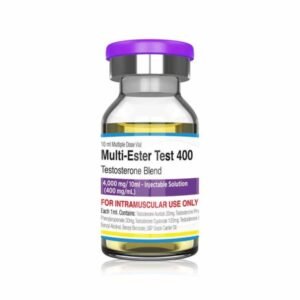
Injectable Steroids
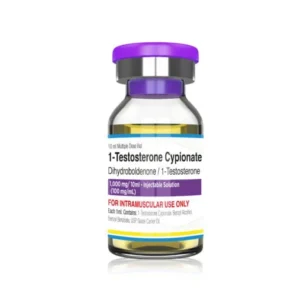
Injectable Steroids
Reviews
There are no reviews yet.