

Citalopram 20 mg: Uses, Dosage, Side Effects, Safety, and Frequently Asked Questions
Citalopram 20 mg: Uses, Dosage, Side Effects & Safety Guide
Learn about Citalopram 20 mg, including its uses for depression and anxiety disorders, dosage guidance, side effects, safety precautions, drug interactions, and frequently asked questions.
Citalopram 20 mg: Everything You Need to Know
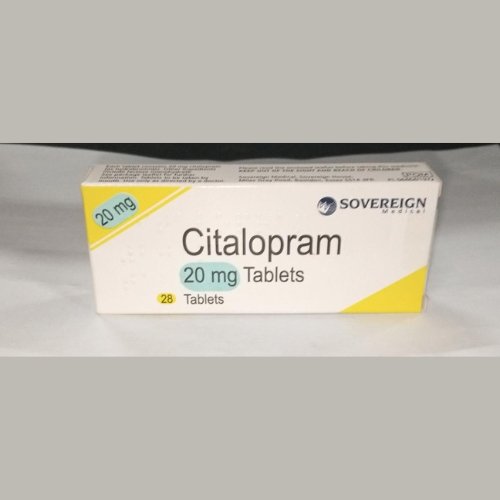
Citalopram 20 mg is a prescription medication used mainly to treat depression (major depressive disorder) and, in some cases, other mood-related conditions. It belongs to a group of medicines called selective serotonin reuptake inhibitors (SSRIs).
Citalopram works by increasing the availability of serotonin, a chemical messenger in the brain that plays an important role in mood regulation, emotions, sleep, and overall mental wellbeing.
Like other antidepressants, Citalopram may take several weeks to reach its full effect and should be taken under the supervision of a healthcare professional.
What Is Citalopram 20 mg?
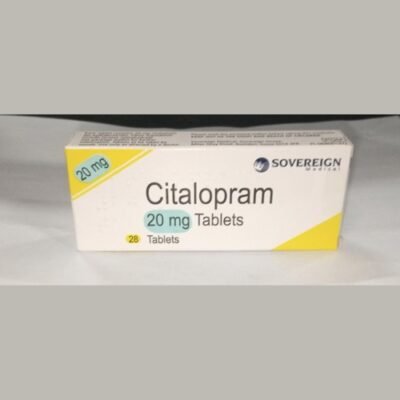
Citalopram is an SSRI antidepressant.
The 20 mg tablet contains:
- Citalopram hydrobromide equivalent to 20 mg of citalopram
It is available as:
- Tablets
- Oral liquid solution (in some countries)
Common tablet strengths include:
- 10 mg
- 20 mg
- 40 mg
Approved Medical Uses
Healthcare providers prescribe Citalopram for:
- Major depressive disorder (depression)
- Anxiety symptoms associated with depression
- Other conditions where serotonin regulation may be beneficial (when clinically appropriate)
Some uses may be considered off-label depending on medical guidelines and individual patient needs.
How Does Citalopram Work?
Citalopram works by blocking the reuptake of serotonin in the brain.
This helps:
- Increase serotonin availability between nerve cells
- Improve communication between brain cells
- Support mood regulation
- Reduce symptoms of depression
It does not work immediately and usually requires regular daily use.
How Should Citalopram 20 mg Be Taken?
Always take Citalopram exactly as prescribed by your healthcare provider.
General recommendations include:
- Take once daily at the same time each day.
- Swallow tablets with water.
- Take with or without food.
- Do not stop suddenly without medical advice.
- Continue treatment even if improvement is not immediate.
Stopping suddenly may cause withdrawal-like symptoms such as dizziness, mood changes, sleep disturbances, and unusual sensations.
Dosage Information
Dosage depends on:
- Medical condition
- Age
- Response to treatment
- Other medications
- Overall health
Typical adult dosing (general guidance)
Depression
- Treatment may begin at a lower dose.
- 20 mg once daily is a commonly used dose for many adults.
Older adults or people with certain health conditions
- Lower doses may be recommended.
Important note
The maximum recommended dose may vary depending on age, medical conditions, and safety considerations, especially related to heart rhythm.
Common Side Effects
Common side effects may include:
- Nausea
- Headache
- Dry mouth
- Increased sweating
- Sleep changes
- Fatigue
- Dizziness
- Trembling
- Changes in appetite
- Sexual side effects
Many side effects improve as the body adjusts to treatment.
Serious Safety Warnings
Although uncommon, serious side effects may occur.
Potential risks include:
- Serotonin syndrome (excess serotonin activity)
- Increased suicidal thoughts or behavior in some younger patients when starting antidepressant treatment
- Abnormal heart rhythm (QT prolongation)
- Severe allergic reactions
- Low sodium levels (hyponatremia)
- Increased bleeding risk
Seek urgent medical advice if you experience:
- Severe agitation or confusion
- Fever with muscle stiffness
- Fainting
- Irregular heartbeat
- Severe allergic reactions
Important Precautions
Before taking Citalopram, tell your healthcare provider if you have:
- Heart rhythm problems
- Low potassium or magnesium levels
- Liver disease
- Kidney problems
- Seizure disorders
- Bipolar disorder
- Bleeding disorders
- Pregnancy or breastfeeding considerations
Your healthcare provider will consider your medical history before prescribing treatment.
Drug Interactions
Citalopram may interact with other medicines.
Tell your healthcare provider about all:
- Prescription medicines
- Over-the-counter medicines
- Vitamins
- Herbal supplements
Important interactions may include:
- Monoamine oxidase inhibitors (MAOIs)
- Other antidepressants
- Medicines affecting heart rhythm
- Blood thinners
- Aspirin and some anti-inflammatory medicines
- Tramadol and some pain medicines
- St. John’s wort
- Other medicines that increase serotonin
Combining certain medicines may increase the risk of serious side effects.
Monitoring During Treatment
Healthcare providers may monitor:
- Mood improvement
- Side effects
- Suicidal thoughts or worsening symptoms
- Heart health when risk factors are present
- Treatment effectiveness
Regular follow-up appointments help ensure safe and effective treatment.
Safe Storage
Store Citalopram according to the product instructions.
General recommendations include:
- Keep tablets in the original packaging.
- Store at room temperature.
- Protect from moisture and excessive heat.
- Keep away from children and pets.
- Do not use after the expiry date.
Frequently Asked Questions
What is Citalopram 20 mg used for?
Citalopram 20 mg is mainly used to treat depression by helping regulate serotonin levels in the brain.
Is Citalopram an SSRI?
Yes. Citalopram belongs to the selective serotonin reuptake inhibitor (SSRI) class of antidepressants.
How long does Citalopram take to work?
Some symptoms may improve within a few weeks, but full antidepressant effects often take several weeks of regular treatment.
Can I stop taking Citalopram suddenly?
No. Stopping suddenly may cause withdrawal symptoms. Dose reduction should be done under medical supervision.
What are the most common side effects?
Common side effects include nausea, headache, dry mouth, sweating, sleep changes, fatigue, dizziness, and sexual side effects.
Can Citalopram be taken with alcohol?
Alcohol may worsen side effects such as drowsiness, dizziness, and impaired judgment. Discuss alcohol use with your healthcare provider.
Does Citalopram cause dependence?
Citalopram is not considered addictive, but stopping suddenly can cause discontinuation symptoms, so gradual dose reduction is usually recommended.
Conclusion
Citalopram 20 mg is an SSRI antidepressant commonly used to treat depression by increasing serotonin activity in the brain. It can help improve mood, emotional balance, and symptoms associated with depressive disorders.
Because Citalopram may interact with other medications and has important safety considerations, it should be taken only as prescribed. Regular communication with a healthcare provider, monitoring of symptoms, and following the recommended treatment plan are important for safe and effective use.
Citalopram 20 mg, Citalopram, Citalopram uses, Citalopram dosage, Citalopram side effects, SSRI antidepressant, depression treatment medication, anxiety medication, serotonin medication, mood disorder treatment, antidepressant tablets, Citalopram safety, Citalopram interactions, Citalopram FAQs, mental health medication guide, prescription antidepressant, serotonin reuptake inhibitor, depression management.
| Quantity | 30 pills, 60 pills, 120 pills, 180 pills, 200 pills, 250 pills, 300 pills, 400 pills, 500 pills |
|---|
Be the first to review “Citalopram 20 mg”
Related products

Drugs
Drugs

Drugs

Drugs

Drugs
Drugs
Drugs
Drugs
Reviews
There are no reviews yet.