

Apo-Diazepam: Uses, Dosage, Side Effects, Safety Information, and Frequently Asked Questions
What Is Apo-Diazepam?
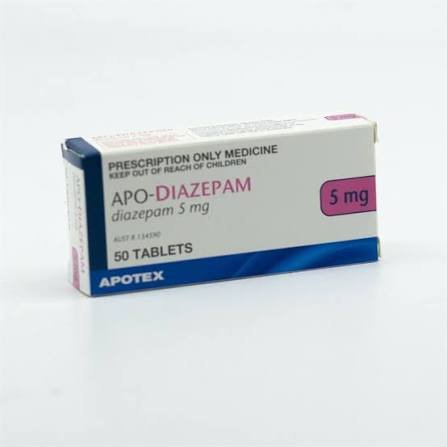
Apo-Diazepam is a prescription medication containing diazepam, a benzodiazepine that acts on the central nervous system (CNS). It is manufactured by Apotex in some markets and is used to treat a variety of conditions, including anxiety disorders, muscle spasms, alcohol withdrawal symptoms, and certain seizure disorders. It may also be used before some medical or dental procedures to help reduce anxiety and promote relaxation.
Diazepam works by enhancing the activity of gamma-aminobutyric acid (GABA), a neurotransmitter that helps calm excessive brain activity.
Active Ingredient
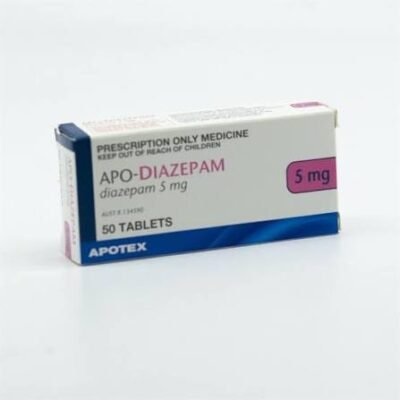
Brand name: Apo-Diazepam
Active ingredient: Diazepam
Medication class: Benzodiazepine
Prescription status: Prescription-only medicine
Common tablet strengths may include:
- 2 mg
- 5 mg
- 10 mg
Availability varies by country.
Uses of Apo-Diazepam
A healthcare provider may prescribe Apo-Diazepam for:
Anxiety Disorders
It may help relieve symptoms such as:
- Excessive worry.
- Nervousness.
- Restlessness.
- Muscle tension.
- Anxiety associated with stressful situations.
Muscle Spasms
Diazepam may help reduce muscle stiffness and painful muscle spasms caused by certain neurological or musculoskeletal conditions.
Alcohol Withdrawal
Under medical supervision, diazepam may help manage withdrawal symptoms, including:
- Tremors.
- Agitation.
- Anxiety.
- Restlessness.
- Increased risk of seizures.
Seizure Disorders
Diazepam may be used alongside other medications to help manage certain seizure conditions.
Sedation Before Procedures
Healthcare professionals may prescribe diazepam before medical or dental procedures to reduce anxiety and promote relaxation.
How Apo-Diazepam Works
Diazepam enhances the effect of GABA, the brain’s primary inhibitory neurotransmitter. This slows nerve activity and helps produce:
- Reduced anxiety.
- Sedation.
- Muscle relaxation.
- Anticonvulsant effects.
Dosage Information
- Take Apo-Diazepam exactly as prescribed.
- The dose depends on your age, medical condition, and response to treatment.
- Swallow tablets with water.
- Do not increase your dose or take the medication more often than directed.
- Do not stop diazepam suddenly after regular use, as withdrawal symptoms may occur. Your healthcare provider may recommend gradually reducing the dose.
Because benzodiazepines can lead to dependence, they are generally prescribed for the shortest duration necessary.
Possible Side Effects
Common side effects may include:
- Drowsiness.
- Dizziness.
- Fatigue.
- Muscle weakness.
- Poor coordination.
- Blurred vision.
- Dry mouth.
- Difficulty concentrating.
- Memory problems.
Many side effects improve as the body adapts to treatment.
Serious Side Effects (Seek Immediate Medical Advice)
Seek urgent medical attention if you experience:
- Difficulty breathing.
- Severe allergic reaction.
- Extreme drowsiness.
- Confusion.
- Hallucinations.
- Severe mood or behavior changes.
- Thoughts of self-harm.
- Loss of consciousness.
Taking diazepam with opioids, alcohol, or other sedatives can significantly increase the risk of dangerous respiratory depression.
Safety Information
Before taking Apo-Diazepam, tell your healthcare provider if you have:
- Liver disease.
- Kidney disease.
- Breathing disorders.
- Sleep apnea.
- Depression or other mental health conditions.
- Myasthenia gravis.
- A history of alcohol or substance misuse.
Important Precautions
- Avoid alcohol while taking diazepam.
- Do not drive or operate machinery until you know how the medication affects you.
- Take the medication only as prescribed.
- Store it securely to reduce the risk of misuse.
Drug Interactions
Tell your healthcare provider about all medicines and supplements you take, especially:
- Opioid pain medicines.
- Other benzodiazepines.
- Sleeping tablets.
- Antidepressants.
- Antipsychotic medicines.
- Certain antihistamines.
- Muscle relaxants.
These combinations may increase drowsiness and breathing problems.
Dependence and Withdrawal
Regular use of diazepam can lead to:
- Physical dependence.
- Tolerance.
- Withdrawal symptoms if stopped suddenly.
Withdrawal symptoms may include:
- Anxiety.
- Insomnia.
- Tremors.
- Sweating.
- Irritability.
- Seizures in severe cases.
Always follow your healthcare provider’s guidance when reducing or stopping treatment.
Frequently Asked Questions (FAQs)
What is Apo-Diazepam used for?
Apo-Diazepam is prescribed to treat anxiety, muscle spasms, alcohol withdrawal symptoms, certain seizure disorders, and for sedation before some medical procedures.
Is Apo-Diazepam the same as diazepam?
Yes. Apo-Diazepam is a brand of diazepam manufactured by Apotex in some countries.
Can Apo-Diazepam make you sleepy?
Yes. Drowsiness is one of the most common side effects.
Can I drink alcohol while taking Apo-Diazepam?
No. Alcohol can greatly increase the sedative effects of diazepam and may cause dangerous breathing problems.
Is Apo-Diazepam addictive?
Diazepam has the potential for dependence and misuse, especially with long-term or high-dose use. It should only be used exactly as prescribed.
Can Apo-Diazepam be stopped suddenly?
No. If taken regularly, stopping suddenly can cause withdrawal symptoms. A healthcare provider can recommend a gradual taper.
How should Apo-Diazepam be stored?
Store at room temperature, away from heat, moisture, and direct sunlight. Keep it securely out of the reach of children.
Final Thoughts
Apo-Diazepam is a prescription benzodiazepine containing diazepam that is used to treat anxiety, muscle spasms, alcohol withdrawal, certain seizure disorders, and procedural anxiety. When used under medical supervision, it can be an effective short-term treatment for these conditions.
Because diazepam carries risks of drowsiness, dependence, misuse, and withdrawal, it should always be taken exactly as prescribed. Patients should avoid alcohol, follow dosing instructions carefully, and consult their healthcare provider before making any changes to treatment.
Disclaimer: This information is for educational purposes only and does not replace advice from a qualified healthcare professional. Always follow your healthcare provider’s instructions regarding the use of diazepam.
| Quantity | 100 Tablets, 200 Tablets, 500 Tablets |
|---|
Be the first to review “Apo diaxepam”
Related products
ANXIETY

ANXIETY
ANXIETY

ANXIETY

ANXIETY
ANXIETY
ANXIETY

ANXIETY
Reviews
There are no reviews yet.