
Venlafaxine 75 mg: Uses, Dosage, Side Effects, Safety, and Frequently Asked Questions
What Is Venlafaxine 75 mg?
Venlafaxine 75 mg is a prescription antidepressant that belongs to a class of medications known as serotonin and norepinephrine reuptake inhibitors (SNRIs). It is used to treat several mental health conditions, including major depressive disorder (MDD), generalized anxiety disorder (GAD), social anxiety disorder (social phobia), and panic disorder.
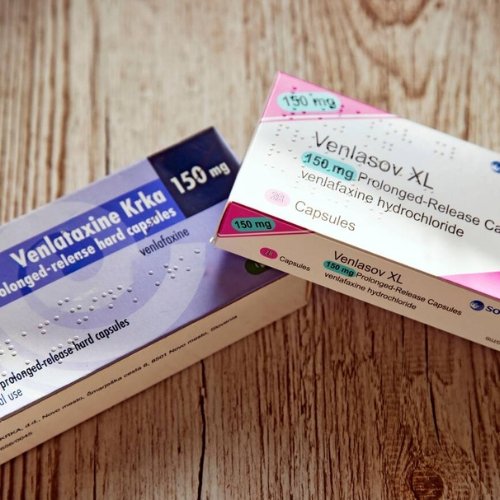
Venlafaxine is available in different formulations, including:
- 75 mg immediate-release tablets
- 75 mg extended-release (XR or ER) capsules
- Other strengths, including 37.5 mg, 150 mg, and 225 mg
The dosing schedule depends on the formulation prescribed.
How Venlafaxine Works
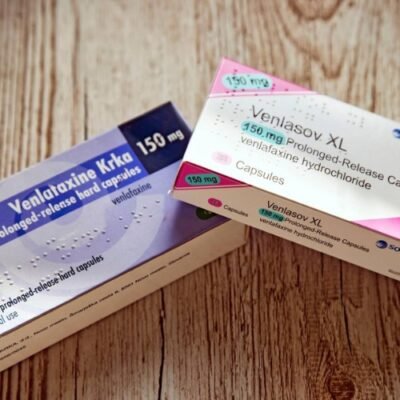
Venlafaxine works by increasing the levels of two important brain chemicals:
- Serotonin, which helps regulate mood, emotions, and sleep.
- Norepinephrine, which influences mood, alertness, and energy.
By preventing the reabsorption (reuptake) of these neurotransmitters, venlafaxine helps improve communication between nerve cells and may relieve symptoms of depression and anxiety.
Venlafaxine 75 mg Uses
Major Depressive Disorder (Depression)
Venlafaxine is commonly prescribed to treat depression and may help improve:
- Persistent sadness.
- Loss of interest in daily activities.
- Low energy.
- Difficulty concentrating.
- Changes in sleep or appetite.
Generalized Anxiety Disorder (GAD)
It can help reduce:
- Excessive worry.
- Restlessness.
- Muscle tension.
- Difficulty relaxing.
Social Anxiety Disorder
Venlafaxine may reduce anxiety and fear in social situations.
Panic Disorder
It may help reduce the frequency and severity of panic attacks.
Benefits of Venlafaxine 75 mg
When taken as prescribed, venlafaxine may help:
- Improve mood.
- Reduce anxiety symptoms.
- Decrease panic attacks.
- Improve concentration.
- Enhance sleep and daily functioning.
- Improve overall quality of life.
Venlafaxine 75 mg Dosage
The correct dose depends on:
- The condition being treated.
- Age.
- Other medical conditions.
- Response to treatment.
General guidance:
- Take exactly as prescribed.
- Your healthcare provider may gradually adjust your dose if needed.
- Do not stop taking venlafaxine suddenly without medical advice.
How to Take Venlafaxine
For best results:
- Take the medication at the same time each day.
- It may be taken with food to reduce stomach upset.
- Swallow extended-release capsules or tablets whole.
- Do not crush, chew, or split extended-release formulations unless instructed.
Missed Dose
If you miss a dose:
- Take it as soon as you remember.
- If it is almost time for your next dose, skip the missed dose.
- Do not take two doses together.
Common Side Effects
Common side effects may include:
- Nausea.
- Dry mouth.
- Headache.
- Dizziness.
- Sweating.
- Insomnia or sleepiness.
- Constipation.
- Loss of appetite.
Many side effects improve as your body adjusts to the medication.
Serious Side Effects
Seek immediate medical attention if you experience:
- Thoughts of self-harm or worsening depression, particularly when starting treatment or after dose changes.
- Symptoms of serotonin syndrome, including fever, agitation, confusion, muscle stiffness, or rapid heartbeat.
- Severe allergic reaction.
- Unusual bleeding or bruising.
- Eye pain or sudden vision changes.
- Seizures.
Safety Information
Before taking Venlafaxine, tell your healthcare provider if you have:
- High blood pressure.
- Heart disease.
- Liver disease.
- Kidney disease.
- Bipolar disorder.
- Seizure disorders.
- Glaucoma.
- Pregnancy or plans to become pregnant.
- Breastfeeding.
Your healthcare provider may recommend regular monitoring of your blood pressure, especially at higher doses.
Drug Interactions
Venlafaxine may interact with:
- Monoamine oxidase inhibitors (MAOIs).
- Other antidepressants.
- Certain migraine medicines (triptans).
- Blood thinners such as warfarin.
- Nonsteroidal anti-inflammatory drugs (NSAIDs).
- St. John’s wort.
- Certain opioid medicines, including tramadol.
Always tell your healthcare provider about all prescription medicines, over-the-counter medicines, vitamins, and herbal supplements you take.
Alcohol and Venlafaxine
Alcohol may increase:
- Drowsiness.
- Dizziness.
- Difficulty concentrating.
It is generally recommended to avoid or limit alcohol while taking venlafaxine.
Pregnancy and Breastfeeding
If you are pregnant, planning pregnancy, or breastfeeding:
- Inform your healthcare provider before starting or continuing venlafaxine.
- Do not stop treatment without medical advice, as untreated depression or anxiety can also pose risks.
- Your healthcare provider will help weigh the potential benefits and risks.
Storage
Store Venlafaxine tablets or capsules:
- At room temperature.
- Away from moisture and heat.
- In the original container.
- Out of reach of children.
Frequently Asked Questions (FAQs)
What is Venlafaxine 75 mg used for?
Venlafaxine 75 mg is used to treat depression, generalized anxiety disorder, social anxiety disorder, and panic disorder.
Is Venlafaxine an SSRI?
No. Venlafaxine is an SNRI (serotonin and norepinephrine reuptake inhibitor), although at lower doses it mainly affects serotonin.
How long does Venlafaxine take to work?
Some people notice improvement in anxiety symptoms within 1–2 weeks, but full benefits for depression may take 4–8 weeks or longer.
Can Venlafaxine cause weight gain?
Weight changes can occur. Some people lose weight initially due to reduced appetite, while others may gain weight during long-term treatment.
Can I stop taking Venlafaxine suddenly?
No. Stopping venlafaxine abruptly can lead to withdrawal symptoms, such as dizziness, headache, nausea, irritability, and “electric shock” sensations. Your healthcare provider will usually recommend gradually reducing the dose.
Can Venlafaxine increase blood pressure?
Yes. Venlafaxine may increase blood pressure, especially at higher doses, so regular monitoring may be recommended.
Can older adults take Venlafaxine?
Yes, but they may require closer monitoring because they can be more sensitive to certain side effects.
What happens if I take too much Venlafaxine?
An overdose may cause severe drowsiness, seizures, rapid heartbeat, abnormal heart rhythms, or loss of consciousness. Seek emergency medical attention immediately if an overdose is suspected.
Does Venlafaxine cure depression?
No. Venlafaxine helps manage symptoms of depression and anxiety but does not permanently cure these conditions. Ongoing treatment and follow-up with a healthcare provider are important.
Final Thoughts
Venlafaxine 75 mg is an SNRI antidepressant used to treat depression, anxiety disorders, and panic disorder. It can significantly improve mood and quality of life when taken consistently as prescribed.
Because venlafaxine may cause withdrawal symptoms if stopped suddenly and can interact with other medications, always follow your healthcare provider’s instructions and attend regular follow-up appointments.
Medical Disclaimer: This article is for educational and informational purposes only and should not replace professional medical advice, diagnosis, or treatment. Always consult a qualified healthcare professional before starting, stopping, or changing any medication.
| Quantity | 30 Pills, 60 Pills, 120 Pills, 180 Pills, 200 Pills, 250 Pills, 300 Pills, 400 Pills, 500 Pills |
|---|
Be the first to review “Venlafaxine 75mg”
Related products

Drugs

Drugs
Drugs
Drugs
Drugs
Drugs

Drugs
Drugs
Reviews
There are no reviews yet.