
Trastuzumab 150 mg: Uses, Dosage, Side Effects, Safety, and Frequently Asked Questions
What Is Trastuzumab 150 mg?
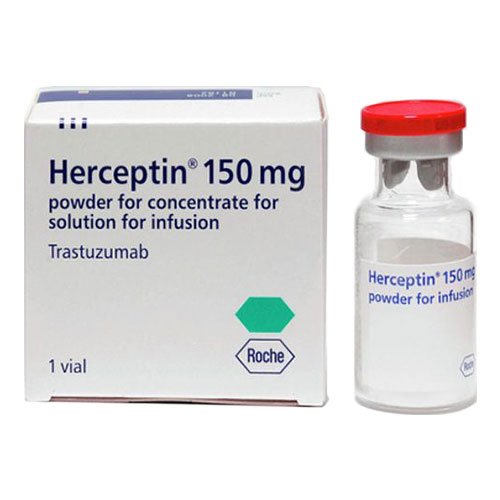
Trastuzumab 150 mg is a prescription targeted cancer therapy used to treat certain HER2-positive cancers, including specific types of breast cancer and gastric (stomach) or gastroesophageal junction cancer. It is a monoclonal antibody that specifically targets the human epidermal growth factor receptor 2 (HER2) protein found on some cancer cells.
Trastuzumab is available as:
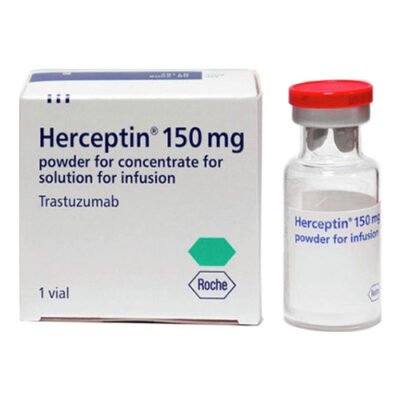
- 150 mg powder for concentrate for solution for intravenous (IV) infusion
- Other strengths and formulations, including subcutaneous injections in some countries
It is commonly marketed under brand names such as Herceptin and as approved biosimilar products.
How Trastuzumab Works
Some cancers produce excessive amounts of the HER2 protein, which promotes rapid cancer cell growth.
Trastuzumab works by:
- Binding specifically to HER2 receptors on cancer cells.
- Blocking signals that stimulate cancer growth.
- Helping the immune system recognize and destroy cancer cells.
- Slowing or stopping the growth of HER2-positive tumors.
Because it specifically targets HER2, trastuzumab is effective only in cancers confirmed to be HER2-positive through laboratory testing.
Trastuzumab 150 mg Uses
HER2-Positive Early Breast Cancer
Trastuzumab is used after surgery or alongside chemotherapy to reduce the risk of cancer recurrence in eligible patients.
HER2-Positive Metastatic Breast Cancer
It may be used alone or in combination with chemotherapy or other targeted therapies to treat breast cancer that has spread to other parts of the body.
HER2-Positive Gastric or Gastroesophageal Junction Cancer
Trastuzumab may be combined with chemotherapy to treat advanced HER2-positive stomach or gastroesophageal junction cancer.
Benefits of Trastuzumab 150 mg
When used appropriately, Trastuzumab may help:
- Slow or stop the growth of HER2-positive cancer cells.
- Reduce the risk of breast cancer recurrence.
- Improve survival in eligible patients.
- Enhance the effectiveness of chemotherapy in certain treatment plans.
- Improve outcomes in advanced HER2-positive cancers.
Trastuzumab 150 mg Dosage
The dose is determined by your oncology team based on:
- Body weight.
- Type and stage of cancer.
- Treatment schedule.
- Whether it is used alone or with other medicines.
General guidance:
- Trastuzumab is administered by a healthcare professional.
- It is given as an intravenous infusion over a period determined by your treatment protocol.
- Treatment may continue for months or longer, depending on the condition being treated and your response.
Do not attempt to self-administer intravenous trastuzumab.
How Trastuzumab Is Given
For best results:
- Attend all scheduled infusion appointments.
- Inform your healthcare team about any new symptoms before each treatment.
- Follow all recommended blood tests and heart monitoring appointments during therapy.
Missed Dose
If you miss an infusion appointment:
- Contact your oncology clinic as soon as possible to reschedule.
- Do not attempt to adjust your treatment schedule without medical guidance.
Common Side Effects
Common side effects may include:
- Fever.
- Chills.
- Fatigue.
- Nausea.
- Diarrhea.
- Headache.
- Muscle or joint pain.
- Mild infusion-related reactions.
These effects are often more noticeable during the first infusion.
Serious Side Effects
Seek immediate medical attention if you experience:
- Chest pain.
- Shortness of breath.
- Swelling of the ankles or legs.
- Rapid or irregular heartbeat.
- Severe allergic or infusion reactions.
- Persistent cough or breathing difficulties.
- Signs of heart failure.
Trastuzumab can affect heart function, making regular cardiac monitoring an important part of treatment.
Safety Information
Before receiving Trastuzumab, tell your healthcare provider if you have:
- Heart disease.
- High blood pressure.
- Previous treatment with anthracycline chemotherapy (such as doxorubicin).
- Lung disease.
- Pregnancy or plans to become pregnant.
- Breastfeeding.
Your healthcare provider will usually perform heart function tests before starting treatment and at regular intervals during therapy.
Drug Interactions
Trastuzumab may interact with:
- Certain chemotherapy medicines, particularly anthracyclines.
- Other targeted cancer therapies.
- Medicines that may affect heart function.
Always provide your oncology team with a complete list of all prescription medicines, over-the-counter products, vitamins, and herbal supplements you use.
Pregnancy and Breastfeeding
Trastuzumab should not be used during pregnancy unless clearly recommended by your oncology specialist.
It may harm an unborn baby. People who could become pregnant are generally advised to use effective contraception during treatment and for a period after the final dose, as recommended by their healthcare provider.
Breastfeeding is generally not recommended during treatment and for a period after the last dose because it is unknown whether the medicine passes into breast milk in clinically significant amounts.
Storage
Trastuzumab is stored and prepared by healthcare professionals under controlled conditions in hospitals or infusion centers. Patients generally do not store this medication at home.
Frequently Asked Questions (FAQs)
What is Trastuzumab 150 mg used for?
Trastuzumab 150 mg is used to treat HER2-positive breast cancer and certain HER2-positive gastric or gastroesophageal junction cancers.
Is Trastuzumab chemotherapy?
No. Trastuzumab is a targeted therapy (monoclonal antibody), not a chemotherapy drug. However, it is often given alongside chemotherapy.
How do I know if my cancer is HER2-positive?
Your healthcare provider will perform laboratory testing on a tumor sample to determine HER2 status before prescribing trastuzumab.
Can Trastuzumab affect the heart?
Yes. Trastuzumab may reduce heart function in some patients. Regular heart monitoring is recommended before and during treatment.
How long is Trastuzumab treatment?
Treatment duration depends on the type and stage of cancer. Early breast cancer treatment often lasts about one year, while treatment for advanced cancers varies based on response and tolerance.
Can Trastuzumab cause hair loss?
Trastuzumab alone is not commonly associated with significant hair loss. However, hair loss may occur if it is given together with chemotherapy.
Can older adults receive Trastuzumab?
Yes. Older adults may receive trastuzumab if appropriate, but careful assessment of heart function and overall health is important.
What happens if I miss an infusion?
Contact your oncology clinic promptly to arrange another appointment. Do not attempt to change your treatment schedule on your own.
Is Trastuzumab a cure for cancer?
Trastuzumab is an important treatment that improves outcomes for many people with HER2-positive cancers, but whether a cancer is cured depends on factors such as the cancer type, stage, and overall treatment plan.
Final Thoughts
Trastuzumab 150 mg is a targeted monoclonal antibody used to treat HER2-positive breast cancer and certain HER2-positive gastric cancers. By specifically targeting HER2 receptors, it helps slow cancer growth and improve treatment outcomes while preserving healthy cells more effectively than traditional chemotherapy alone.
Successful treatment requires regular infusion appointments, ongoing heart monitoring, and close communication with your oncology team regarding any new symptoms or side effects.
Medical Disclaimer: This article is for educational and informational purposes only and should not replace professional medical advice, diagnosis, or treatment. Always consult a qualified oncologist or other qualified healthcare professional before starting, stopping, or changing any cancer treatment.
| Quantity | 30 Pills, 60 Pills, 120 Pills, 180 Pills, 200 Pills, 250 Pills, 300 Pills, 400 Pills, 500 Pills |
|---|
Be the first to review “Trastuzumab 150mg”
Related products
Drugs
Drugs
Drugs
Drugs
Drugs
Drugs
Drugs
Reviews
There are no reviews yet.