

Terbinafine 250 mg: Uses, Dosage, Side Effects, Safety, and Frequently Asked Questions
What Is Terbinafine 250 mg?
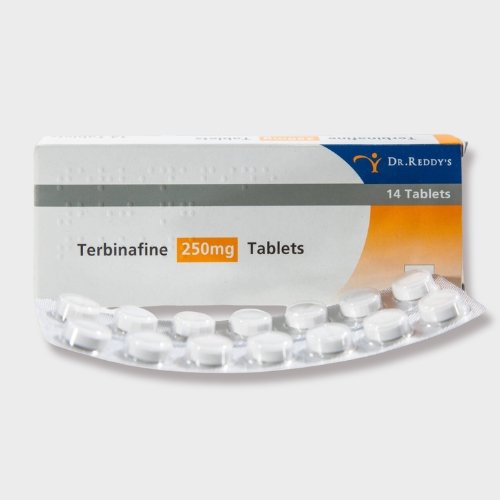
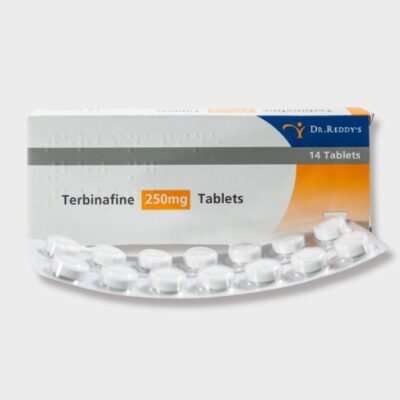
Terbinafine 250 mg is a prescription antifungal medication used to treat a variety of fungal infections affecting the skin, nails, and scalp. It belongs to a class of medicines called allylamine antifungals.
Terbinafine works by killing fungi and preventing them from growing. It is commonly prescribed when fungal infections are extensive or when topical treatments have not been effective.
It is available in several forms, including:
- 250 mg tablets
- Topical creams
- Gels
- Sprays
- Solutions
It may be sold under brand names such as Lamisil in some countries.
How Terbinafine Works
Terbinafine blocks an enzyme called squalene epoxidase, which fungi need to produce ergosterol, an essential component of their cell membranes.
This action:
- Damages fungal cell membranes.
- Causes a buildup of toxic substances inside fungal cells.
- Stops fungal growth.
- Kills susceptible fungi.
Terbinafine 250 mg Uses
Terbinafine tablets are commonly prescribed for:
Fungal Nail Infections (Onychomycosis)
Terbinafine is one of the most effective oral treatments for fungal infections of the fingernails and toenails.
Ringworm (Tinea Corporis)
Treats fungal infections affecting the body.
Athlete’s Foot (Tinea Pedis)
Used for severe, widespread, or persistent infections.
Jock Itch (Tinea Cruris)
Helps eliminate fungal infections affecting the groin area.
Scalp Ringworm (Tinea Capitis)
May be prescribed, particularly in children and adults, depending on the type of fungal infection.
Benefits of Terbinafine 250 mg
When taken as prescribed, Terbinafine may help:
- Eliminate fungal infections.
- Improve the appearance of infected nails.
- Reduce itching and skin irritation.
- Prevent fungal infection from spreading.
- Support healthy nail regrowth after infection clears.
Terbinafine 250 mg Dosage
The appropriate dose and treatment duration depend on:
- The type of fungal infection.
- The location of the infection.
- The severity of the infection.
- Age.
- Liver function.
- Overall health.
General guidance:
- Take exactly as prescribed.
- Continue treatment for the full course, even if symptoms improve.
- Nail infections often require several weeks to months of treatment because healthy nails grow slowly.
How to Take Terbinafine
For best results:
- Take the tablet once daily or as directed.
- Swallow with water.
- It may be taken with or without food.
- Take it at the same time each day.
Missed Dose
If you miss a dose:
- Take it when you remember.
- If it is almost time for your next dose, skip the missed dose.
- Do not take two doses together.
Common Side Effects
Common side effects may include:
- Headache.
- Nausea.
- Diarrhea.
- Stomach pain.
- Indigestion.
- Skin rash.
- Changes in taste or reduced taste sensation.
Serious Side Effects
Seek immediate medical attention if you experience:
- Yellowing of the skin or eyes (possible liver problems).
- Dark urine.
- Persistent nausea or vomiting.
- Severe skin rash or blistering.
- Unexplained fever or sore throat.
- Severe allergic reaction.
- Loss of taste or smell that persists.
Although uncommon, terbinafine can cause serious liver problems. Contact your healthcare provider promptly if you develop symptoms of liver injury.
Safety Information
Before taking Terbinafine, tell your healthcare provider if you have:
- Liver disease.
- Kidney disease.
- Lupus.
- Psoriasis.
- A weakened immune system.
- Pregnancy or plans to become pregnant.
- Breastfeeding.
Your healthcare provider may recommend liver function tests before and, in some cases, during treatment.
Drug Interactions
Terbinafine may interact with:
- Certain antidepressants.
- Beta-blockers.
- Warfarin.
- Rifampicin (rifampin).
- Cimetidine.
- Some antiarrhythmic medicines.
- Caffeine-containing products (terbinafine may slow caffeine breakdown in some people).
Always inform your healthcare provider about all prescription medicines, over-the-counter products, vitamins, and herbal supplements you take.
Alcohol and Terbinafine
Alcohol does not have a direct interaction with terbinafine, but both alcohol and terbinafine can affect the liver. Limiting alcohol intake during treatment may help reduce the risk of liver-related problems.
Pregnancy and Breastfeeding
If you are pregnant, planning pregnancy, or breastfeeding:
- Discuss terbinafine use with your healthcare provider.
- Oral terbinafine should only be used when the potential benefits outweigh the possible risks.
Storage
Store Terbinafine tablets:
- At room temperature.
- Away from moisture, heat, and direct sunlight.
- In the original packaging.
- Out of reach of children.
Frequently Asked Questions (FAQs)
What is Terbinafine 250 mg used for?
Terbinafine 250 mg is used to treat fungal nail infections, ringworm, athlete’s foot, jock itch, and certain fungal infections of the scalp.
Is Terbinafine an antibiotic?
No. Terbinafine is an antifungal medicine, not an antibiotic.
How long does Terbinafine take to work?
Skin infections often begin improving within a few weeks. Nail infections take much longer because healthy nails must grow out after the fungus has been eliminated.
Can I stop Terbinafine when my symptoms improve?
No. Complete the full course of treatment unless your healthcare provider advises otherwise. Stopping early may allow the infection to return.
Does Terbinafine affect the liver?
Yes. Although uncommon, terbinafine can cause liver problems. Contact your healthcare provider if you notice symptoms such as yellowing of the skin, dark urine, or persistent nausea.
Can Terbinafine be taken with food?
Yes. Terbinafine tablets can be taken with or without food.
Can children take Terbinafine?
Yes. Oral terbinafine may be prescribed for certain fungal infections in children, with dosing based on body weight and medical guidance.
Can older adults take Terbinafine?
Yes, but liver and kidney function should be considered when determining whether treatment is appropriate.
What happens if I take too much Terbinafine?
An overdose may cause headache, nausea, stomach pain, dizziness, or vomiting. Seek medical advice or emergency care if an overdose is suspected.
Does Terbinafine prevent fungal infections from coming back?
Terbinafine treats existing fungal infections, but reinfection is still possible. Good hygiene and appropriate foot and nail care can help reduce the risk of recurrence.
Final Thoughts
Terbinafine 250 mg is an effective oral antifungal medication used to treat fungal infections of the nails, skin, and scalp. It works by killing susceptible fungi and preventing their growth.
For the best results, take Terbinafine exactly as prescribed, complete the full treatment course, and attend any recommended follow-up appointments or liver function monitoring. Discuss any side effects or concerns with your healthcare provider promptly.
Medical Disclaimer: This article is for educational and informational purposes only and should not replace professional medical advice, diagnosis, or treatment. Always consult a qualified healthcare professional before starting, stopping, or changing any medication.
| Quantity | 30 Pills, 60 Pills, 120 Pills, 180 Pills, 200 Pills, 250 Pills, 300 Pills, 400 Pills, 500 Pills |
|---|
Be the first to review “Terbinafine 250mg”
Related products

Drugs


Drugs

Drugs
Drugs

Drugs

Drugs
Reviews
There are no reviews yet.