
Spiriva 1.25 mcg (Tiotropium): Uses, Dosage, Side Effects, Safety, and Frequently Asked Questions
What Is Spiriva 1.25 mcg?
Spiriva 1.25 mcg contains the active ingredient tiotropium, a long-acting muscarinic antagonist (LAMA) bronchodilator used to help control breathing problems caused by certain chronic lung conditions.
Spiriva works by relaxing the muscles around the airways, helping to keep them open and making it easier to breathe.
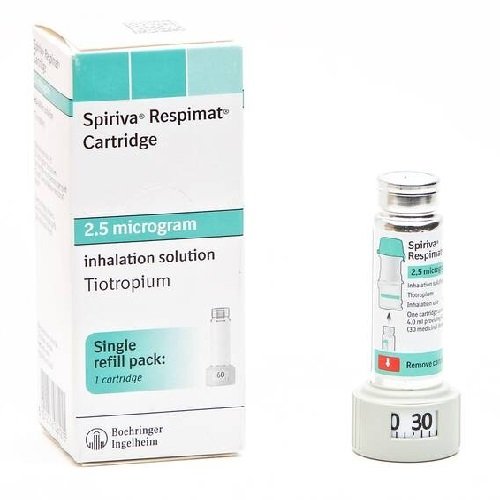
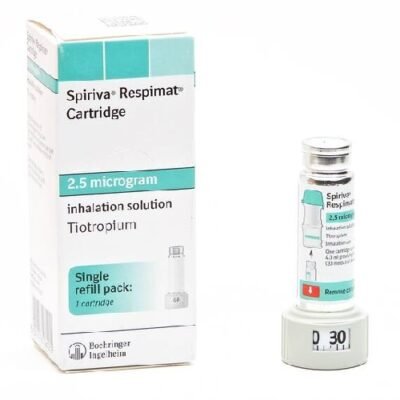
The 1.25 mcg strength is found in the Spiriva Respimat inhaler formulation. Each actuation delivers tiotropium that helps provide long-lasting airway relaxation.
Spiriva is commonly prescribed for:
- Asthma maintenance treatment (in eligible patients).
- Chronic obstructive pulmonary disease (COPD), including chronic bronchitis and emphysema (using approved formulations and strengths).
How Spiriva Works
Tiotropium blocks muscarinic receptors in the airways, particularly the M3 receptors responsible for airway muscle tightening.
This helps:
- Relax airway muscles.
- Keep air passages open.
- Improve airflow.
- Reduce breathing difficulty.
- Decrease COPD or asthma symptoms between flare-ups.
Spiriva is a maintenance medication and is not intended for immediate relief of sudden breathing attacks.
Spiriva 1.25 mcg Uses
Asthma
Spiriva Respimat 1.25 mcg may be used as an additional long-term controller medicine for asthma when symptoms are not fully controlled with other treatments.
It may help reduce:
- Wheezing.
- Shortness of breath.
- Chest tightness.
- Night-time asthma symptoms.
Chronic Obstructive Pulmonary Disease (COPD)
Tiotropium may help manage COPD symptoms such as:
- Chronic breathlessness.
- Reduced airflow.
- Exercise-related breathing difficulty.
- Frequent respiratory symptoms.
Benefits of Spiriva 1.25 mcg
When used regularly as prescribed, Spiriva may help:
- Improve lung function.
- Make breathing easier.
- Reduce daily respiratory symptoms.
- Improve exercise tolerance.
- Reduce the frequency of COPD symptoms.
Spiriva 1.25 mcg Dosage
The correct dose depends on:
- The condition being treated.
- Age.
- Severity of symptoms.
- Other inhaled medicines being used.
General guidance:
- Use exactly as prescribed.
- Spiriva Respimat is usually taken once daily.
- Do not use extra doses for sudden breathing problems.
How to Use Spiriva Respimat
General steps:
- Prepare the inhaler as directed.
- Breathe out fully away from the mouthpiece.
- Place the mouthpiece in your mouth and close your lips around it.
- Press the dose-release button while breathing in slowly and deeply.
- Hold your breath briefly, then breathe out normally.
- Follow your healthcare provider’s instructions for the exact technique.
Correct inhaler technique is important for the medicine to reach the lungs effectively.
Missed Dose
If you miss a dose:
- Take it when you remember.
- If it is close to your next scheduled dose, skip the missed dose.
- Do not take extra doses to make up for a missed dose.
Common Side Effects
Common side effects may include:
- Dry mouth.
- Sore throat.
- Cough.
- Headache.
- Constipation.
- Hoarseness.
- Dizziness.
Serious Side Effects
Seek medical attention if you experience:
- Difficulty breathing immediately after inhalation (possible paradoxical bronchospasm).
- Severe allergic reactions.
- Eye pain, blurred vision, or halos around lights (possible glaucoma symptoms).
- Difficulty urinating or urinary retention.
- Fast or irregular heartbeat.
Safety Information
Before using Spiriva, tell your healthcare provider if you have:
- Glaucoma.
- Enlarged prostate or difficulty urinating.
- Kidney disease.
- Heart rhythm problems.
- Pregnancy or plans to become pregnant.
- Breastfeeding.
Spiriva should be used carefully in people who may be sensitive to anticholinergic medicines.
Drug Interactions
Spiriva may interact with:
- Other anticholinergic medications.
- Certain bladder control medicines.
- Some antihistamines.
- Certain medications for depression or psychiatric conditions.
Tell your healthcare provider about all prescription medicines, over-the-counter medicines, vitamins, and supplements you use.
Alcohol and Spiriva
Alcohol does not have a major direct interaction with Spiriva, but alcohol may worsen dizziness or affect breathing problems in some people.
Discuss alcohol use with your healthcare provider if you have chronic lung disease.
Pregnancy and Breastfeeding
If you are pregnant, planning pregnancy, or breastfeeding:
- Discuss Spiriva use with your healthcare provider.
- Your provider will consider the benefits and possible risks before recommending treatment.
Storage
Store Spiriva Respimat:
- At room temperature.
- Away from heat and moisture.
- Keep the inhaler protected according to manufacturer instructions.
- Keep out of reach of children.
Frequently Asked Questions (FAQs)
What is Spiriva 1.25 mcg used for?
Spiriva 1.25 mcg is used as a maintenance inhaler to help control asthma symptoms and improve breathing in eligible patients.
Is Spiriva a rescue inhaler?
No. Spiriva is a long-term controller medication and does not provide immediate relief during sudden asthma attacks. A fast-acting rescue inhaler may be prescribed separately.
Is Spiriva a steroid inhaler?
No. Spiriva contains tiotropium, a long-acting bronchodilator, not a corticosteroid.
How long does Spiriva take to work?
Some improvement may occur after the first doses, but maximum benefits usually develop with regular daily use.
Can Spiriva be used with other inhalers?
Yes. Many patients use Spiriva together with other inhalers, such as inhaled corticosteroids or rescue inhalers, when prescribed.
Can children use Spiriva?
Spiriva use depends on age, condition, and local approval guidelines. It should only be used in children when prescribed by a healthcare professional.
Can older adults use Spiriva?
Yes. Spiriva is commonly used in older adults with COPD or asthma, but monitoring may be needed for urinary problems, glaucoma, and other side effects.
What happens if I use too much Spiriva?
Using too much may increase side effects such as dry mouth, fast heartbeat, dizziness, or difficulty urinating. Seek medical advice if excessive use occurs.
Does Spiriva cure asthma or COPD?
No. Spiriva helps control symptoms and improve breathing but does not cure asthma or COPD.
Final Thoughts
Spiriva 1.25 mcg (tiotropium) is a long-acting inhaled medicine used to help control airway conditions such as asthma and COPD. By relaxing airway muscles, it improves airflow and helps reduce breathing symptoms.
For the best results, use Spiriva consistently, maintain proper inhaler technique, and continue regular medical follow-up. Seek urgent medical care for sudden breathing difficulties that are not relieved by prescribed rescue medication.
Medical Disclaimer: This article is for educational and informational purposes only and should not replace professional medical advice, diagnosis, or treatment. Always consult a qualified healthcare professional before starting, stopping, or changing any medication.
| Quantity | 30 Pills, 60 Pills, 120 Pills, 180 Pills, 200 Pills, 250 Pills, 300 Pills, 400 Pills, 500 Pills |
|---|
Be the first to review “Spiriva 1.25mcg”
Related products
Drugs
Drugs
Drugs
Drugs
Drugs

Drugs
Drugs
Reviews
There are no reviews yet.