
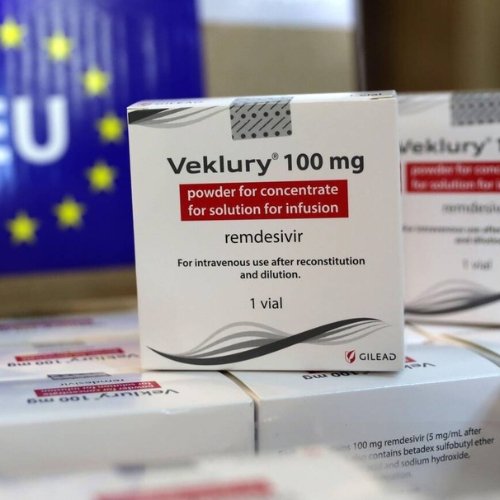


Remdesivir (Veklury): Uses, Dosage, Side Effects, Safety, and Frequently Asked Questions
What Is Remdesivir (Veklury)?
Remdesivir, sold under the brand name Veklury, is a prescription antiviral medication used to treat COVID-19 caused by the SARS-CoV-2 virus in eligible patients. It works by interfering with the virus’s ability to replicate, helping to reduce viral activity in the body.
Veklury is administered as an intravenous (IV) infusion by a healthcare professional in hospitals or certain outpatient healthcare settings.
It may be used in adults and eligible children who meet the approved criteria for treatment.
How Remdesivir Works
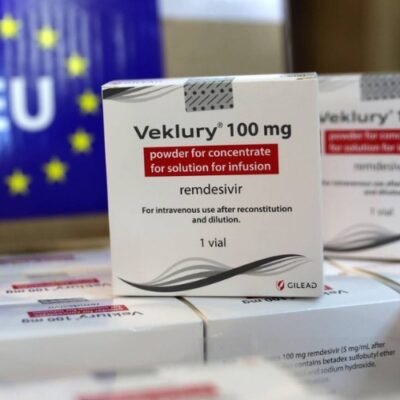
Remdesivir is a viral RNA polymerase inhibitor.
It works by blocking an enzyme that the coronavirus needs to make copies of itself. By slowing viral replication, Remdesivir may help:
- Reduce the amount of virus in the body.
- Shorten recovery time in some patients.
- Lower the risk of disease progression in eligible individuals when given early in the course of infection.
Remdesivir is active against the virus that causes COVID-19 but is not effective against bacterial infections.
Remdesivir (Veklury) Uses
Remdesivir is approved or authorized in many countries for the treatment of:
COVID-19
It may be used in:
- Adults with COVID-19 who meet treatment criteria.
- Eligible pediatric patients (based on age and weight requirements).
- Certain hospitalized patients.
- Some non-hospitalized patients at high risk of developing severe COVID-19 when treatment is started early.
The exact eligibility criteria vary by country and current clinical guidelines.
Benefits of Remdesivir
When prescribed appropriately, Remdesivir may help:
- Reduce viral replication.
- Shorten recovery time in some hospitalized patients.
- Lower the risk of progression to severe COVID-19 in selected high-risk outpatients.
- Reduce the likelihood of hospitalization when used early in eligible patients.
Remdesivir Dosage
The dosage depends on:
- Age.
- Body weight.
- Kidney and liver function.
- Severity of illness.
- Current treatment guidelines.
General guidance:
- Remdesivir is given as an IV infusion over a period recommended by the manufacturer and healthcare provider.
- Treatment duration commonly ranges from 3 to 5 days for eligible outpatients or 5 days (and sometimes longer in selected hospitalized patients), depending on the clinical situation.
- The full treatment course should be completed unless a healthcare provider advises otherwise.
How Remdesivir Is Administered
Remdesivir is:
- Given through a vein (intravenous infusion).
- Administered by trained healthcare professionals.
- Usually provided in hospitals, infusion centers, or approved outpatient clinics.
Patients may be monitored during and after the infusion for possible reactions.
Missed Dose
If a scheduled infusion is missed:
- Contact your healthcare provider immediately.
- Follow their instructions regarding rescheduling.
- Do not attempt to administer the medicine yourself unless specifically instructed and trained.
Common Side Effects
Common side effects may include:
- Nausea.
- Headache.
- Rash.
- Infusion-related reactions.
- Temporary increases in liver enzyme levels on blood tests.
Most side effects are mild to moderate and resolve after treatment.
Serious Side Effects
Seek immediate medical attention if you experience:
- Difficulty breathing during or after the infusion.
- Swelling of the face, lips, tongue, or throat.
- Severe rash.
- Fever, chills, or flushing during infusion.
- Signs of liver problems, such as yellowing of the skin or eyes, dark urine, or severe abdominal pain.
Healthcare providers may monitor liver function before and during treatment.
Safety Information
Before receiving Remdesivir, tell your healthcare provider if you have:
- Liver disease.
- Kidney disease.
- A history of allergic reactions to medications.
- Pregnancy or plans to become pregnant.
- Breastfeeding.
Your healthcare provider may perform blood tests before and during treatment to monitor liver function and overall health.
Drug Interactions
Remdesivir may interact with certain medications, including:
- Medicines that affect liver function.
- Some antiviral medications.
- Other prescription medicines that may alter how Remdesivir is processed.
Always provide your healthcare provider with a complete list of:
- Prescription medications.
- Over-the-counter medicines.
- Vitamins.
- Herbal supplements.
Alcohol and Remdesivir
There is no well-established direct interaction between alcohol and Remdesivir. However, because COVID-19 and some medications may affect the liver, limiting alcohol during treatment is generally advisable.
Pregnancy and Breastfeeding
If you are pregnant or breastfeeding:
- Discuss the potential benefits and risks with your healthcare provider.
- Treatment decisions are individualized based on the severity of illness and available evidence.
Storage
Remdesivir should:
- Be stored and prepared according to manufacturer recommendations.
- Be handled by trained healthcare professionals.
- Not be stored or mixed outside approved procedures.
Frequently Asked Questions (FAQs)
What is Remdesivir (Veklury) used for?
Remdesivir is used to treat eligible adults and children with COVID-19 to help reduce viral replication and lower the risk of disease progression in appropriate clinical situations.
Is Remdesivir an antibiotic?
No. Remdesivir is an antiviral medication. It does not treat bacterial infections.
How is Remdesivir given?
It is administered as an intravenous (IV) infusion by a healthcare professional.
Does Remdesivir cure COVID-19?
No. Remdesivir does not cure COVID-19, but it may help reduce illness severity or shorten recovery in eligible patients when used appropriately.
How long does treatment last?
Treatment commonly lasts 3 to 5 days, although some hospitalized patients may require a longer course based on clinical judgment.
Can children receive Remdesivir?
Yes. Remdesivir may be used in eligible children who meet approved age and weight requirements.
Can older adults receive Remdesivir?
Yes. Older adults may receive Remdesivir if they meet treatment criteria, with monitoring based on their overall health.
What happens if I miss an infusion?
Contact your healthcare provider as soon as possible to reschedule. Do not skip or delay treatment without medical advice.
Does Remdesivir have liver side effects?
Yes. Temporary elevations in liver enzymes can occur, so liver function is usually monitored during treatment.
Can Remdesivir prevent COVID-19?
No. Remdesivir is a treatment for eligible patients with COVID-19 and is not used to prevent infection. Vaccination and other preventive measures remain important for reducing the risk of COVID-19.
Final Thoughts
Remdesivir (Veklury) is an antiviral medication used to treat eligible patients with COVID-19. By slowing viral replication, it may reduce the risk of severe illness and shorten recovery time in some people when started early and used according to current clinical guidelines.
Because Remdesivir is administered intravenously and requires medical monitoring, it should only be used under the supervision of qualified healthcare professionals. Follow your healthcare provider’s instructions, complete the prescribed treatment course, and report any infusion reactions or concerning symptoms promptly.
Medical Disclaimer: This article is for educational and informational purposes only and should not replace professional medical advice, diagnosis, or treatment. Always consult a qualified healthcare professional before starting, stopping, or changing any medication.
| Quantity | 30 Pills, 60 Pills, 120 Pills, 180 Pills, 200 Pills, 250 Pills, 300 Pills, 400 Pills, 500 Pills |
|---|
Be the first to review “Remdesivir (Veklury)”
Related products

Drugs

Drugs
Drugs
Drugs
Drugs

Drugs
Drugs
Reviews
There are no reviews yet.