
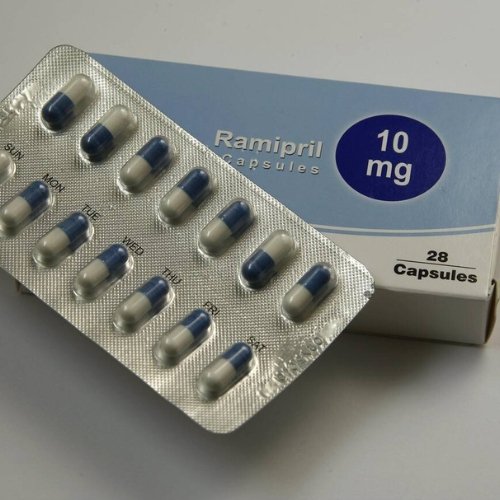

Ramipril 10 mg: Uses, Dosage, Side Effects, Safety, and Frequently Asked Questions
What Is Ramipril 10 mg?
Ramipril 10 mg is a prescription angiotensin-converting enzyme (ACE) inhibitor used to treat high blood pressure (hypertension), heart failure, and to reduce the risk of serious cardiovascular events such as heart attack, stroke, and cardiovascular death in certain high-risk individuals.
By relaxing blood vessels and reducing the workload on the heart, ramipril helps improve blood flow and lower blood pressure.
Ramipril is available in several strengths, including:
- 1.25 mg capsules or tablets
- 2.5 mg capsules or tablets
- 5 mg capsules or tablets
- 10 mg capsules or tablets
How Ramipril Works
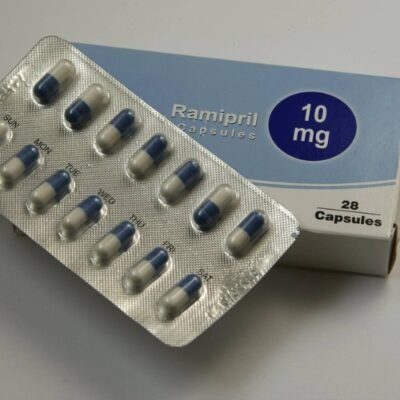
Ramipril blocks the action of the angiotensin-converting enzyme (ACE), reducing the production of angiotensin II, a substance that narrows blood vessels.
This helps to:
- Relax and widen blood vessels.
- Lower blood pressure.
- Improve blood flow.
- Reduce strain on the heart.
- Help protect the heart and kidneys in certain patients.
Ramipril 10 mg Uses
Ramipril may be prescribed for:
High Blood Pressure (Hypertension)
- Helps lower blood pressure.
- Reduces the risk of complications such as stroke and heart attack.
Heart Failure
- Improves heart function.
- Helps reduce symptoms such as fatigue and shortness of breath.
- May reduce the risk of hospitalization.
After a Heart Attack
Ramipril may be prescribed following a heart attack to improve survival and reduce the risk of future cardiovascular events.
Cardiovascular Risk Reduction
In certain people at high risk of cardiovascular disease, ramipril may help reduce the risk of:
- Heart attack.
- Stroke.
- Cardiovascular-related death.
Benefits of Ramipril 10 mg
When taken as prescribed, Ramipril may help:
- Lower blood pressure.
- Improve heart function.
- Reduce the risk of heart attack and stroke.
- Protect kidney function in some patients.
- Improve long-term cardiovascular health.
Ramipril 10 mg Dosage
The correct dose depends on:
- The condition being treated.
- Blood pressure response.
- Kidney function.
- Age.
- Other medications.
General guidance:
- Take exactly as prescribed.
- Your healthcare provider may start with a lower dose and gradually increase it.
- Continue taking ramipril even if you feel well, unless instructed otherwise.
How to Take Ramipril
For best results:
- Take the medicine at the same time each day.
- Swallow the capsule or tablet with water.
- It may be taken with or without food.
- Follow your healthcare provider’s instructions carefully.
Missed Dose
If you miss a dose:
- Take it as soon as you remember.
- If it is nearly time for your next dose, skip the missed dose.
- Do not take two doses at the same time.
Common Side Effects
Common side effects may include:
- Dry cough.
- Dizziness.
- Headache.
- Fatigue.
- Low blood pressure.
- Mild nausea.
The dry cough associated with ACE inhibitors may persist in some people and should be discussed with a healthcare provider if bothersome.
Serious Side Effects
Seek immediate medical attention if you experience:
- Swelling of the face, lips, tongue, or throat (angioedema).
- Difficulty breathing.
- Severe dizziness or fainting.
- Yellowing of the skin or eyes.
- Reduced urination.
- Signs of high potassium levels, such as muscle weakness or irregular heartbeat.
Safety Information
Before taking Ramipril, tell your healthcare provider if you have:
- Kidney disease.
- Liver disease.
- Heart valve disease.
- High potassium levels.
- Diabetes.
- A history of angioedema.
- Pregnancy or plans to become pregnant.
- Breastfeeding.
Ramipril should not be used during pregnancy, especially during the second and third trimesters, because it may seriously harm an unborn baby.
Drug Interactions
Ramipril may interact with:
- Potassium supplements.
- Potassium-sparing diuretics (such as spironolactone).
- Other blood pressure medications.
- Nonsteroidal anti-inflammatory drugs (NSAIDs), such as ibuprofen and naproxen.
- Lithium.
- Certain diabetes medications.
Always tell your healthcare provider about all prescription medicines, over-the-counter products, vitamins, and herbal supplements you use.
Alcohol and Ramipril
Alcohol may increase the blood pressure-lowering effects of ramipril and increase dizziness or lightheadedness. Discuss alcohol use with your healthcare provider.
Pregnancy and Breastfeeding
If you are pregnant or planning pregnancy:
- Stop taking ramipril only under medical supervision and contact your healthcare provider promptly for an alternative treatment.
If you are breastfeeding:
- Discuss the risks and benefits with your healthcare provider before using ramipril.
Storage
Store Ramipril tablets or capsules:
- At room temperature.
- Away from moisture and heat.
- In the original packaging.
- Out of reach of children.
Frequently Asked Questions (FAQs)
What is Ramipril 10 mg used for?
Ramipril 10 mg is used to treat high blood pressure, heart failure, reduce cardiovascular risk, and improve outcomes after a heart attack.
Is Ramipril an ACE inhibitor?
Yes. Ramipril belongs to the class of medicines called angiotensin-converting enzyme (ACE) inhibitors.
Can Ramipril lower blood pressure?
Yes. Ramipril lowers blood pressure by relaxing blood vessels and improving blood flow.
Does Ramipril cause a cough?
Yes. A persistent dry cough is a known side effect of ACE inhibitors, including ramipril.
Can I stop taking Ramipril suddenly?
Do not stop taking Ramipril without consulting your healthcare provider, as your blood pressure or heart condition may worsen.
Can Ramipril be taken with food?
Yes. Ramipril may be taken with or without food.
Can older adults take Ramipril?
Yes. Older adults often benefit from ramipril, but kidney function, blood pressure, and potassium levels may require regular monitoring.
What happens if I take too much Ramipril?
An overdose may cause dangerously low blood pressure, dizziness, fainting, or kidney problems. Seek emergency medical care if an overdose is suspected.
Does Ramipril protect the kidneys?
In some people, especially those with diabetes or certain kidney conditions, ramipril may help protect kidney function when used under medical supervision.
How long does Ramipril take to work?
Ramipril begins lowering blood pressure within hours, but it may take several weeks to achieve its full therapeutic effect.
Final Thoughts
Ramipril 10 mg is a widely prescribed ACE inhibitor that effectively treats high blood pressure, heart failure, and helps reduce the risk of heart attack and stroke. When combined with healthy lifestyle changes and regular medical follow-up, it can play an important role in long-term cardiovascular health.
Always take Ramipril exactly as prescribed, attend routine blood pressure and kidney function checks, and seek immediate medical attention if you develop swelling of the face or throat or experience severe dizziness.
Medical Disclaimer: This article is for educational and informational purposes only and should not replace professional medical advice, diagnosis, or treatment. Always consult a qualified healthcare professional before starting, stopping, or changing any medication.
| Quantity | 30 Pills, 60 Pills, 120 Pills, 180 Pills, 200 Pills, 250 Pills, 300 Pills, 400 Pills, 500 Pills |
|---|
Be the first to review “Ramipril 10mg”
Related products

Drugs

Drugs
Drugs

Drugs

Drugs
Drugs

Drugs

Reviews
There are no reviews yet.