
Atorvastatin: Uses, Dosage, Side Effects, Safety, and Frequently Asked Questions
Atorvastatin: Uses, Dosage, Side Effects & Safety Guide
Learn about Atorvastatin, including its uses for lowering cholesterol and reducing heart disease risk, dosage guidance, side effects, safety precautions, drug interactions, and frequently asked questions.
Atorvastatin: Everything You Need to Know
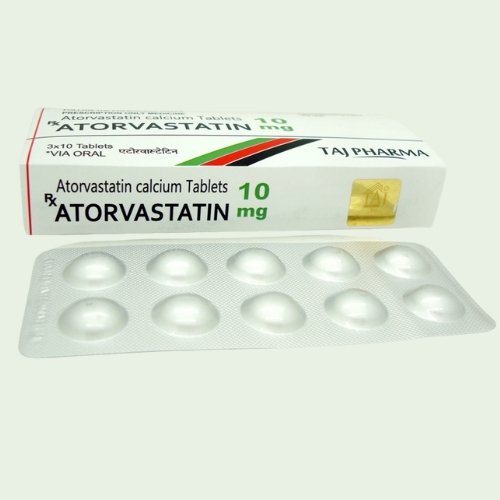
Atorvastatin is a prescription medication in the statin class used to lower cholesterol levels and reduce the risk of heart attack, stroke, and cardiovascular disease. It works by reducing the production of cholesterol in the liver.
Atorvastatin is widely used as a long-term preventive treatment for people with high cholesterol or those at increased risk of heart disease.
Because cholesterol management is essential for heart health, Atorvastatin is often combined with lifestyle changes such as diet and exercise.
What Is Atorvastatin?
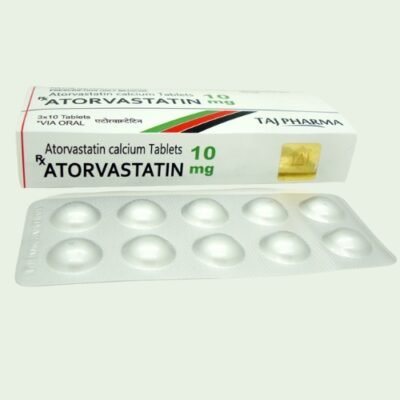
Atorvastatin is a HMG-CoA reductase inhibitor (statin).
It is available as:
- Oral tablets
- Various strengths (commonly 10 mg, 20 mg, 40 mg, 80 mg)
It is typically taken once daily and is often prescribed for long-term use.
Approved Medical Uses
Healthcare providers prescribe Atorvastatin for:
- High cholesterol (hypercholesterolemia)
- High triglycerides
- Prevention of cardiovascular disease
- Reduction of heart attack risk
- Reduction of stroke risk
- Treatment of mixed lipid disorders
It may also be used in patients with diabetes or other high-risk conditions to prevent heart complications.
How Does Atorvastatin Work?
Atorvastatin works by blocking the enzyme HMG-CoA reductase in the liver.
This helps:
- Reduce LDL (“bad”) cholesterol
- Increase HDL (“good”) cholesterol (modestly)
- Lower triglycerides
- Slow buildup of plaque in arteries
- Reduce risk of heart attack and stroke
By improving cholesterol balance, it supports long-term cardiovascular health.
How Should Atorvastatin Be Taken?
Always take Atorvastatin exactly as prescribed.
General recommendations include:
- Take once daily, at the same time each day
- Can be taken with or without food
- Swallow tablets whole with water
- Continue even if you feel well (cholesterol has no symptoms)
- Follow a healthy diet and exercise plan
Do not stop taking without medical advice.
Dosage Information
Dosage depends on cholesterol levels and cardiovascular risk.
Typical adult dosing (general guidance)
- 10–20 mg once daily for moderate cholesterol reduction
- 40–80 mg once daily for high-risk patients or severe cholesterol levels
Important note
Your healthcare provider may adjust the dose based on cholesterol tests and treatment response.
Common Side Effects
Most people tolerate Atorvastatin well.
Common side effects include:
- Muscle aches or weakness
- Joint pain
- Mild digestive upset
- Diarrhea
- Nausea
- Headache
Many side effects are mild and temporary.
Serious Safety Warnings
Although rare, serious side effects may occur.
Potential risks include:
- Muscle breakdown (rhabdomyolysis)
- Severe liver problems
- Dark urine or severe muscle pain
- Unexplained fatigue or weakness
- Allergic reactions
Seek immediate medical attention if you experience severe muscle pain, weakness, or dark urine.
Important Precautions
Before taking Atorvastatin, tell your healthcare provider if you have:
- Liver disease
- Kidney disease
- History of muscle disorders
- Heavy alcohol use
- Diabetes
- Pregnancy or breastfeeding (statins are generally not recommended)
Liver function tests may be required before and during treatment.
Drug Interactions
Atorvastatin may interact with several medications.
Inform your healthcare provider about:
- Other cholesterol medications
- Antibiotics (e.g., clarithromycin, erythromycin)
- Antifungal drugs (e.g., ketoconazole)
- HIV medications
- Cyclosporine
- Blood thinners
Grapefruit juice can also increase Atorvastatin levels and should be limited or avoided.
Monitoring During Treatment
Healthcare providers may monitor:
- Cholesterol levels (LDL, HDL, triglycerides)
- Liver function tests
- Muscle-related symptoms
- Cardiovascular risk factors
Regular blood tests help ensure safe and effective treatment.
Safe Storage
Store Atorvastatin properly:
- Keep at room temperature
- Protect from moisture and heat
- Store in original packaging
- Keep out of reach of children
- Do not use expired medication
- Dispose of unused tablets safely
Frequently Asked Questions
What is Atorvastatin used for?
Atorvastatin is used to lower cholesterol and reduce the risk of heart attack, stroke, and other cardiovascular diseases.
Is Atorvastatin a statin?
Yes. Atorvastatin is a statin that lowers cholesterol by reducing liver production.
How long does Atorvastatin take to work?
Cholesterol levels may start improving within 1–2 weeks, with full effects seen in about 4–6 weeks.
Can Atorvastatin cause muscle pain?
Yes. Muscle aches are a common side effect, and severe muscle pain should be reported immediately.
Can I stop Atorvastatin once cholesterol improves?
No. Stopping may cause cholesterol levels to rise again and increase heart risk.
Is Atorvastatin safe long-term?
Yes, it is commonly used long-term under medical supervision with regular monitoring.
Can I drink alcohol while taking Atorvastatin?
Moderate alcohol use may be allowed, but excessive drinking increases the risk of liver problems.
Conclusion
Atorvastatin is a widely used statin medication that helps lower cholesterol and reduce the risk of serious cardiovascular events such as heart attack and stroke. It works by reducing cholesterol production in the liver and improving overall lipid balance.
When used correctly and monitored regularly, Atorvastatin is highly effective and safe for long-term cardiovascular protection. Lifestyle changes combined with medication provide the best results.
Atorvastatin, Atorvastatin uses, Atorvastatin dosage, Atorvastatin side effects, statin medication, cholesterol lowering drug, LDL cholesterol treatment, high cholesterol medicine, cardiovascular prevention, heart attack prevention medication, stroke prevention drug, lipid lowering therapy, Atorvastatin safety, liver cholesterol drug, prescription statin, cholesterol management guide, Atorvastatin FAQs, triglyceride treatment, heart health medication, lipid profile improvement.
| Quantity | 30 Pills, 60 Pills, 120 Pills, 180 Pills, 200 Pills, 250 Pills, 300 Pills, 400 Pills, 500 Pills |
|---|
Be the first to review “Atorvastatin”
Related products
Drugs
Drugs
Drugs
Drugs
Drugs
Drugs
Drugs
Reviews
There are no reviews yet.