
Amikin: Uses, Dosage, Side Effects, Safety, and Frequently Asked Questions
Amikin (Amikacin): Uses, Dosage, Side Effects & Safety Guide
Learn about Amikin (amikacin), including its medical uses for serious bacterial infections, dosage guidance, side effects, safety precautions, drug interactions, and frequently asked questions.
Amikin (Amikacin): Everything You Need to Know
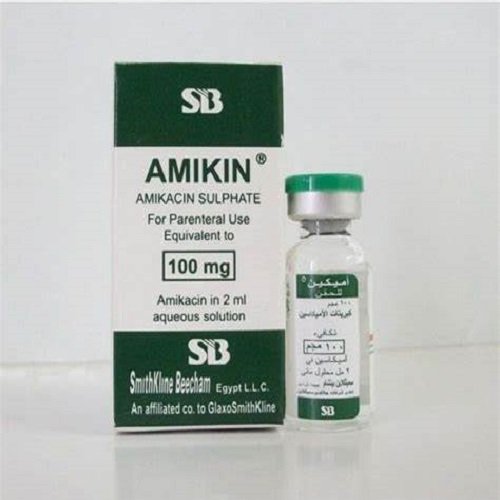
Amikin is a prescription antibiotic containing amikacin, which belongs to the aminoglycoside class of antibiotics. It is used to treat serious bacterial infections, especially those caused by Gram-negative bacteria that may be resistant to other antibiotics.
Amikin is typically given in hospitals or under close medical supervision because it can have significant effects on the kidneys and hearing if not carefully monitored.
This guide explains what Amikin is, how it works, its uses, dosage information, side effects, safety precautions, and frequently asked questions.
What Is Amikin?
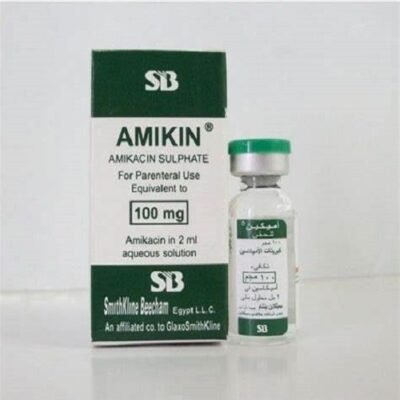
Amikin contains amikacin sulfate, a strong antibiotic used mainly for severe infections.
It is commonly administered as:
- Intravenous (IV) infusion
- Intramuscular (IM) injection
Amikin is usually reserved for infections that are difficult to treat with other antibiotics.
Approved Medical Uses
Healthcare providers may prescribe Amikin for:
- Severe Gram-negative bacterial infections
- Hospital-acquired infections
- Bloodstream infections (sepsis)
- Respiratory tract infections
- Bone and joint infections
- Intra-abdominal infections (in combination therapy)
- Urinary tract infections caused by resistant bacteria
It is often used when other antibiotics are ineffective or inappropriate.
How Does Amikin Work?
Amikacin works by inhibiting bacterial protein synthesis.
It:
- Binds to bacterial ribosomes (30S subunit)
- Prevents bacteria from making essential proteins
- Leads to bacterial cell death
- Is bactericidal (kills bacteria rather than just stopping growth)
Because of its potency, it is often used in combination with other antibiotics.
How Should Amikin Be Taken?
Amikin must be administered by a healthcare professional.
General administration guidelines include:
- Given via IV or IM injection only
- Dosage determined by body weight and kidney function
- Regular monitoring during treatment
- Not intended for self-administration
- Treatment duration depends on infection severity and response
Blood levels may be monitored to ensure safe and effective dosing.
Dosage Information
Dosage varies widely depending on:
- Type and severity of infection
- Patient weight
- Kidney function
- Age
- Hospital protocols
Typical adult dosing (general guidance)
- Often 15 mg/kg/day, given in divided doses or as a once-daily dose depending on protocol
Important note
Dosing must always be individualized and closely monitored by a healthcare provider due to the risk of toxicity.
Common Side Effects
Common side effects may include:
- Nausea
- Vomiting
- Injection site pain
- Fever
- Rash
- Headache
Serious Safety Warnings
Amikin carries important boxed warnings due to potential toxicity.
Potential serious risks include:
1. Kidney toxicity (nephrotoxicity)
- May cause reduced kidney function
- Risk increases with prolonged use or high doses
2. Hearing and balance damage (ototoxicity)
- May cause hearing loss
- May cause tinnitus (ringing in the ears)
- May affect balance (vertigo)
3. Neuromuscular effects
- Muscle weakness (rare)
- Breathing difficulties in susceptible patients
Seek immediate medical attention if you notice hearing changes, reduced urine output, or severe dizziness.
Important Precautions
Before receiving Amikin, healthcare providers consider:
- Kidney disease
- Hearing problems
- Neuromuscular disorders (e.g., myasthenia gravis)
- Dehydration
- Pregnancy (risk to fetal hearing)
- Elderly patients (higher toxicity risk)
Kidney function and drug levels are closely monitored during treatment.
Drug Interactions
Amikin may interact with other medications that increase toxicity risk.
Inform your healthcare provider about all:
- Prescription medications
- Over-the-counter drugs
- Supplements
Particular caution is required with:
- Other aminoglycoside antibiotics
- Loop diuretics (e.g., furosemide, bumetanide)
- Vancomycin
- Amphotericin B
- NSAIDs (may affect kidney function)
These combinations may increase the risk of kidney or hearing damage.
Monitoring During Treatment
Healthcare providers typically monitor:
- Kidney function (creatinine levels)
- Drug blood levels
- Hearing function (if prolonged use)
- Fluid balance
- Infection response
- Electrolytes
Monitoring helps reduce the risk of serious toxicity.
Safe Storage
Amikin should be stored according to hospital or pharmacy guidelines:
- Store as directed by manufacturer (often refrigerated or room temperature depending on formulation)
- Protect from light
- Do not freeze unless specified
- Keep in original packaging
- Use only under professional supervision
- Dispose of unused medication properly in clinical settings
Frequently Asked Questions
What is Amikin used for?
Amikin is used to treat serious bacterial infections, especially those caused by resistant Gram-negative organisms.
Is Amikin a strong antibiotic?
Yes. Amikin is a powerful antibiotic reserved for severe or resistant infections.
Why is Amikin given in hospitals?
Because it requires careful dosing and monitoring to prevent kidney and hearing damage.
What are the most serious side effects?
Kidney damage and hearing loss are the most significant risks associated with Amikin.
Can Amikin affect hearing?
Yes. It can cause hearing loss or ringing in the ears, especially with prolonged or high-dose use.
Is Amikin safe in pregnancy?
It is generally avoided unless absolutely necessary due to the risk of fetal hearing damage.
Can Amikin be taken orally?
No. Amikin is only given by injection (IV or IM).
Conclusion
Amikin (amikacin) is a potent aminoglycoside antibiotic used for serious bacterial infections, especially those resistant to standard treatments. It works by killing bacteria at the protein synthesis level and is typically used in hospital settings.
Because of its potential to cause kidney and hearing damage, Amikin requires careful dosing and close medical monitoring throughout treatment. When used appropriately under supervision, it is an important and effective option for severe infections.
Amikin, amikacin, Amikin uses, Amikin dosage, Amikin side effects, aminoglycoside antibiotic, strong antibiotics, hospital antibiotics, bacterial infection treatment, sepsis antibiotic, resistant bacteria treatment, Gram-negative infection treatment, IV antibiotic, injection antibiotic, amikacin sulfate, nephrotoxicity risk, ototoxicity antibiotics, antibiotic safety guide, Amikin FAQs, prescription antibiotic, severe infection treatment, injectable antibiotics, kidney monitoring antibiotics, hospital infection treatment.
| Quantity | 5 Vials, 10 Vials, 25 Vials, 50 Vials, 100 Vials, 200 Vials, 300 Vials, 400 Vials, 500 Vials |
|---|
Be the first to review “Amikin”
Related products

Drugs

Drugs
Drugs
Drugs

Drugs

Drugs
Drugs
Reviews
There are no reviews yet.