
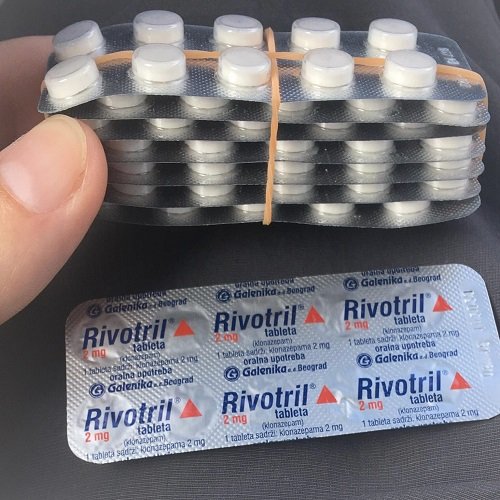
Rivotril 2mg

Price range: €120.00 through €820.00
Dosage and Administration
The recommended dose of Rivotril for panic disorder is typically 1 to 2 mg taken orally two to three times per day. The dosage should adjusted based on individual needs and response to the medication. It is important to follow the doctor’s instructions carefully.
For epilepsy, the dosage determined by the severity of the condition and the overall response to treatment. The starting dose is typically 0.5 mg to 1 mg taken orally two to three times per day. The dosage may increased gradually as needed, up to a maximum of 20 mg per day.
Rivotril 2 mg: Uses, Dosage, Side Effects, Safety, and Frequently Asked Questions
Learn about Rivotril 2 mg (clonazepam), including its medical uses, dosage guidelines, side effects, safety warnings, drug interactions, and frequently asked questions.
Rivotril 2 mg: Everything You Need to Know
Rivotril 2 mg is a prescription medication that contains Clonazepam, a benzodiazepine used primarily for the treatment of seizure disorders and panic-related conditions. It has anticonvulsant, anxiolytic, muscle-relaxant, and sedative properties.
Clonazepam works by enhancing the activity of gamma-aminobutyric acid (GABA), a neurotransmitter that reduces excessive electrical activity in the brain. Because of its potency and long duration of action, it must be used carefully under strict medical supervision.
What Is Rivotril 2 mg?
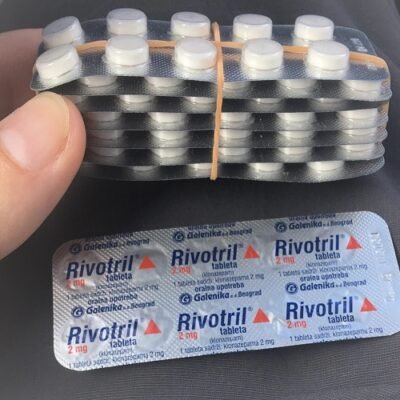
Rivotril contains clonazepam, a long-acting benzodiazepine. The 2 mg tablet is a higher strength formulation and is typically used when lower doses are not sufficient to control symptoms.
It is commonly prescribed in carefully monitored treatment plans, especially for neurological or severe anxiety-related conditions.
Approved Medical Uses
Healthcare providers may prescribe Rivotril for:
- Epilepsy and seizure disorders
- Panic disorder
- Certain movement disorders (in selected cases)
- Adjunct treatment for anxiety symptoms
Treatment is individualized based on patient condition, response, and medical history.
How Does Rivotril Work?
Clonazepam enhances the effect of GABA, the brain’s primary inhibitory neurotransmitter.
This helps:
- Reduce seizure activity
- Calm excessive brain stimulation
- Decrease panic and anxiety symptoms
- Promote muscle relaxation
Because it affects the central nervous system, it may also cause sedation and reduced alertness.
How Should Rivotril 2 mg Be Taken?
Rivotril should always be taken exactly as prescribed.
General guidance includes:
- Take at the same time each day if prescribed regularly
- Do not increase dose without medical supervision
- Do not stop suddenly after long-term use
- Avoid alcohol and sedative substances
- Use caution when driving or operating machinery
Doctors usually prescribe the lowest effective dose to minimize risks.
Common Side Effects
Common side effects may include:
- Drowsiness
- Fatigue
- Dizziness
- Poor coordination
- Memory problems
- Slowed reaction time
- Muscle weakness
These effects may be stronger when starting treatment or increasing dosage.
Serious Safety Warnings
Rivotril carries important risks associated with benzodiazepines.
Potential serious risks include:
- Dependence and addiction
- Withdrawal symptoms if stopped abruptly
- Respiratory depression (especially with other sedatives or alcohol)
- Severe allergic reactions
- Increased risk of falls and injuries
- Cognitive impairment with long-term use
Seek immediate medical attention if breathing becomes slow or the person is difficult to wake.
Important Precautions
Before using Rivotril, inform your healthcare provider if you have:
- Liver disease
- Respiratory disorders
- History of substance use disorder
- Depression or other mental health conditions
- Pregnancy or breastfeeding
- Sleep apnea
Older adults are especially sensitive to sedation and coordination problems.
Drug Interactions
Rivotril may interact with many medications, including:
- Alcohol
- Opioid pain medications
- Other benzodiazepines
- Sleep medications
- Antihistamines with sedative effects
- Muscle relaxants
Combining these increases the risk of dangerous sedation and breathing suppression.
Monitoring During Treatment
Doctors may monitor:
- Seizure control or panic symptoms
- Level of sedation
- Signs of dependence
- Cognitive and motor function
- Overall treatment effectiveness
Long-term use requires careful reassessment.
Safe Storage
- Store in a secure place away from children
- Keep in original packaging
- Avoid heat and moisture
- Do not share medication
- Dispose of unused tablets properly via pharmacy programs
Frequently Asked Questions
What is Rivotril 2 mg used for?
Rivotril 2 mg is mainly used for seizure disorders and panic disorder treatment under medical supervision.
Is Rivotril a benzodiazepine?
Yes. It contains clonazepam, a long-acting benzodiazepine.
How long does Rivotril take to work?
It may begin working within an hour, with longer-term benefits developing over days or weeks depending on the condition.
Can Rivotril cause dependence?
Yes. Long-term use can lead to physical dependence and withdrawal symptoms if stopped suddenly.
Can I drink alcohol while taking Rivotril?
No. Alcohol increases sedation and can lead to dangerous breathing suppression.
Conclusion
Rivotril 2 mg is a prescription medication containing clonazepam, used mainly for epilepsy and panic disorder. It works by calming overactive brain activity through enhancement of GABA signaling.
Because it carries significant risks such as dependence, sedation, and respiratory depression, it should only be used under strict medical supervision and for clearly defined medical conditions.
Rivotril 2 mg, Rivotril, clonazepam, clonazepam 2 mg, benzodiazepine anticonvulsant, seizure medication, panic disorder treatment, anti-anxiety medication, epilepsy treatment, medication safety, patient education, healthcare information, prescription guide, clonazepam side effects
| Quantity | 30 Pills, 60 Pills, 120 Pills, 180 Pills, 200 Pills, 250 Pills, 300 Pills, 400 Pills, 500 Pills |
|---|
Be the first to review “Rivotril 2mg”
Related products

ANXIETY

ANXIETY

ANXIETY
ANXIETY
ANXIETY

ANXIETY

ANXIETY

ANXIETY
Reviews
There are no reviews yet.