

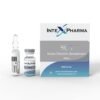
Intex Pharma HCG 5000 IU: Human Chorionic Gonadotropin Uses, Effects, and Safety Guide
Intex Pharma HCG 5000 IU is marketed as a product containing human chorionic gonadotropin (hCG), a hormone with activity similar to luteinizing hormone (LH). HCG is used in certain medical settings involving fertility and reproductive hormone function.
The product is commonly discussed in fertility treatment and hormone-related contexts. It is also frequently discussed in bodybuilding communities in relation to testosterone production and testicular function after exposure to anabolic-androgenic steroids.
However, hCG is a pharmacologically active hormone and is not a dietary supplement. Its use can affect the reproductive system, hormone levels, fertility, and, depending on the individual and clinical context, other aspects of health.
The exact identity, strength, purity, sterility, and manufacturing quality of any specific Intex Pharma product should be independently verified. A product name, vial, label, or packaging alone cannot confirm that the stated amount of hCG is present.
What Is Intex Pharma HCG 5000 IU?
Intex Pharma HCG 5000 IU is marketed as an injectable product containing a stated 5,000 international units (IU) of human chorionic gonadotropin.
The product is generally described as:
- Active ingredient: Human chorionic gonadotropin (hCG)
- Stated strength: 5,000 IU
- Product type: Gonadotropin hormone preparation
- Administration: Injectable product, subject to the specific product instructions and medical guidance
HCG products may be supplied as a powder requiring reconstitution before administration. The specific formulation, solvent, storage requirements, and handling instructions depend on the actual product and manufacturer.
What Is Human Chorionic Gonadotropin?
Human chorionic gonadotropin is a naturally occurring hormone produced during pregnancy. Pharmaceutical hCG preparations can act similarly to luteinizing hormone in certain tissues.
In males, hCG can stimulate the testes to produce testosterone in appropriate clinical circumstances.
In females, hCG can be used in fertility treatment to trigger final maturation and ovulation after appropriate ovarian stimulation. FDA labeling for hCG products includes use in specific fertility-related settings, while other gonadotropin medicines may be used alongside hCG in assisted reproductive treatment.
How Does HCG Work?
HCG acts on receptors that are closely related to the receptors activated by luteinizing hormone.
This activity can influence:
- Testosterone production in the testes
- Ovarian function
- Ovulation
- Reproductive hormone signaling
The effect of hCG depends on the person’s biological sex, underlying condition, hormone levels, fertility status, and the clinical reason for use.
Because hCG directly affects hormone pathways, its use should be individualized rather than based solely on generalized online protocols.
HCG and Male Hormone Function
In men with certain forms of hypogonadism, hCG may be used under medical supervision to stimulate testosterone production by the testes.
Some clinical treatment approaches use hCG in men with hypogonadotropic hypogonadism, particularly when the underlying testes are capable of responding to gonadotropin stimulation. Medical treatment generally requires evaluation of hormone levels and the underlying cause of the condition.
Clinical labeling for gonadotropin treatment describes hCG use in men with certain forms of hypogonadism and emphasizes laboratory monitoring in appropriate treatment settings.
HCG and Fertility
HCG can play an important role in fertility treatment.
In women, hCG may be used to induce final oocyte maturation and ovulation after ovarian stimulation. In assisted reproductive treatment, the timing and use of hCG are determined according to ovarian response and clinical monitoring.
In men, hCG may help stimulate testicular testosterone production and may be used as part of treatment for certain forms of infertility associated with inadequate gonadotropin signaling.
The underlying cause of infertility must be evaluated before treatment.
HCG in Bodybuilding Discussions
HCG is frequently discussed in bodybuilding and anabolic-steroid communities.
Some discussions focus on its potential relationship with:
- Testicular function
- Testosterone production
- Suppression of natural hormone signaling
- Fertility concerns following exposure to exogenous anabolic-androgenic steroids
However, non-medical use can be complex.
HCG is not a universal solution for hormone suppression, and its effects can vary significantly. The use of hCG without appropriate assessment may produce unwanted hormone changes and may complicate the evaluation of an underlying endocrine problem.
Potential Effects in Men
Depending on the clinical context, hCG may influence:
- Testosterone production
- Testicular activity
- Sperm production
- Libido
- Estrogen levels
Because hCG stimulates testicular hormone activity, changes in estrogen and androgen levels may occur.
Potential hormonal effects may include:
- Breast tenderness or enlargement
- Changes in mood
- Fluid retention
- Acne
- Changes in libido
The response varies from person to person.
Potential Effects in Women
In women, hCG can stimulate ovarian activity in fertility treatment.
Potential risks include excessive ovarian stimulation and ovarian hyperstimulation syndrome (OHSS), particularly when hCG is used in fertility treatment involving other gonadotropins.
OHSS can involve:
- Abdominal pain
- Abdominal swelling
- Nausea
- Vomiting
- Fluid accumulation
- Breathing difficulties in severe cases
Clinical fertility treatment uses monitoring to help identify patients at increased risk. FDA labeling for gonadotropin therapy highlights OHSS and vascular complications among important risks associated with fertility treatment.
Possible Side Effects
Potential side effects associated with hCG may vary depending on the individual and the reason for treatment.
Possible effects may include:
- Headache
- Fatigue
- Irritability
- Acne
- Breast tenderness
- Fluid retention
- Injection-site reactions
- Mood changes
In men, gynecomastia and acne are among adverse reactions reported in clinical gonadotropin treatment contexts.
Blood Clot and Vascular Considerations
Hormonal fertility treatment can be associated with vascular complications in certain circumstances.
Individuals who develop sudden chest pain, severe shortness of breath, coughing blood, or painful swelling in one leg should seek urgent medical attention.
The overall risk depends on the individual’s health, treatment context, ovarian response, and other factors.
Pregnancy and Fertility Considerations
HCG is closely associated with reproductive function and pregnancy.
Its use in women should be managed according to the specific medical indication and reproductive treatment plan.
HCG may also cause pregnancy-test results to become difficult to interpret because pregnancy tests detect hCG or related hormone activity.
Anyone who may be pregnant or undergoing fertility treatment should discuss hCG use with an appropriate healthcare professional.
Product Quality, Sterility, and Authenticity
Because hCG products are commonly administered by injection, product quality and sterility are particularly important.
Products obtained outside regulated pharmaceutical supply chains may carry risks related to:
- Incorrect active ingredients
- Incorrect strength
- Contamination
- Loss of sterility
- Counterfeit packaging
- Poor manufacturing standards
- Incorrect storage
- Inaccurate labeling
A label stating HCG 5000 IU does not independently prove that a vial contains the stated amount of active hCG.
Independent batch-specific testing and reliable pharmaceutical quality controls are more informative than packaging or seller claims alone.
Storage and Reconstitution
Some hCG products are supplied as a dry powder that must be reconstituted before administration.
Storage requirements can vary according to the specific product, formulation, solvent, and manufacturer.
For example, the official labeling for one FDA-approved hCG product provides specific instructions for reconstitution and refrigerated storage of the reconstituted solution, while also warning not to freeze it. The storage requirements for Intex Pharma HCG should be determined from its verified product documentation rather than assumed from another hCG product.
Is HCG a Dietary Supplement?
No.
HCG is a pharmacologically active hormone.
It can influence:
- Testosterone production
- Ovarian function
- Ovulation
- Sperm production
- Estrogen levels
- Fertility
- Hormonal feedback systems
It should not be treated as an ordinary nutritional supplement.
Important Safety Considerations
Anyone considering hCG should understand that online product descriptions cannot replace professional medical advice.
Particular caution may be necessary for individuals with:
- Hormone-sensitive conditions
- Certain cancers
- Cardiovascular risk factors
- A history of blood clots
- Fertility problems
- Ovarian disorders
- Unexplained endocrine abnormalities
The underlying cause of low testosterone, infertility, or hormonal dysfunction should be evaluated rather than assuming that hCG is appropriate.
Frequently Asked Questions About Intex Pharma HCG 5000 IU
What is Intex Pharma HCG 5000 IU?
It is marketed as a product containing a stated 5,000 international units of human chorionic gonadotropin.
What is hCG?
HCG is a hormone that can act similarly to luteinizing hormone and influence reproductive hormone function.
What is hCG used for medically?
Depending on the specific product and jurisdiction, hCG may be used in certain fertility treatments and in selected male reproductive or hormonal conditions.
Can hCG stimulate testosterone production?
Yes. In appropriate clinical circumstances, hCG can stimulate the testes to produce testosterone.
Can hCG affect fertility?
Yes. HCG is used in certain fertility-treatment settings and may influence reproductive hormone function.
Can hCG cause gynecomastia?
Hormonal changes associated with hCG may contribute to breast tenderness or enlargement in some individuals.
Can hCG cause ovarian hyperstimulation?
In fertility treatment, hCG can contribute to ovarian hyperstimulation syndrome, particularly in individuals receiving ovarian stimulation.
Is hCG a supplement?
No. HCG is a pharmacologically active hormone preparation.
Final Thoughts
Intex Pharma HCG 5000 IU is marketed as a human chorionic gonadotropin product containing a stated 5,000 IU strength.
HCG is a biologically active hormone that can influence testosterone production, ovarian activity, ovulation, sperm production, and broader reproductive hormone signaling. It has established medical roles in specific fertility and reproductive-health settings, but it can also cause significant hormonal effects and potential complications.
HCG is also discussed in bodybuilding communities in relation to anabolic-steroid-associated hormonal suppression. However, non-medical use should not replace evaluation of the underlying hormonal condition or appropriate professional guidance.
The exact identity, potency, purity, sterility, and manufacturing quality of a specific Intex Pharma HCG product cannot be confirmed solely from its branding or packaging.
Anyone considering hCG or who has used a product marketed as Intex Pharma HCG 5000 IU should seek appropriate medical guidance, particularly if they experience severe abdominal pain, significant swelling, breathing difficulties, chest pain, or other concerning symptoms.
Disclaimer: This article is for general educational and SEO information only. It is not medical advice and does not replace consultation with a qualified healthcare professional.
SEO Title: Intex Pharma HCG 5000 IU: Human Chorionic Gonadotropin Uses and Safety
Meta Description: Learn about Intex Pharma HCG 5000 IU, including human chorionic gonadotropin uses, fertility effects, testosterone production, potential side effects, and safety considerations.
Focus Keyword: Intex Pharma HCG 5000 IU
Secondary Keywords: Intex Pharma HCG, HCG 5000 IU, human chorionic gonadotropin 5000 IU, HCG injection, HCG fertility treatment, HCG testosterone production, HCG side effects, HCG safety
Be the first to review “Viogen Testosterone Enanthate 300mg”
Related products
Injectable Steroids
Injectable Steroids
Injectable Steroids
Injectable Steroids
Injectable Steroids
Injectable Steroids
Injectable Steroids
Injectable Steroids
Reviews
There are no reviews yet.