

Risedronate 35 mg: Uses, Dosage, Side Effects, Safety, and Frequently Asked Questions
What Is Risedronate 35 mg?
Risedronate 35 mg is a prescription bisphosphonate medication used to treat and prevent osteoporosis and other conditions involving bone loss. It helps strengthen bones, increase bone mineral density, and reduce the risk of fractures.
Risedronate works by slowing the activity of cells that break down bone, allowing the body to maintain stronger, healthier bones over time.
It is available in several strengths, including:
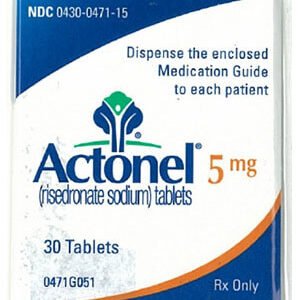
- 5 mg tablets
- 30 mg tablets
- 35 mg tablets (commonly taken once weekly)
- 75 mg tablets
- 150 mg tablets
How Risedronate Works
Bone is constantly being broken down and rebuilt. Risedronate belongs to a class of medicines called bisphosphonates, which reduce the activity of osteoclasts—the cells responsible for breaking down bone.
This helps to:
- Slow bone loss.
- Increase bone density.
- Strengthen bones.
- Reduce the risk of spine and hip fractures.
Risedronate 35 mg Uses
Risedronate may be prescribed for:
Osteoporosis in Postmenopausal Women
To:
- Treat osteoporosis.
- Reduce the risk of spinal and hip fractures.
Osteoporosis in Men
To improve bone strength and reduce fracture risk.
Glucocorticoid-Induced Osteoporosis
To prevent or treat bone loss caused by long-term corticosteroid (steroid) use.
Paget’s Disease of Bone
Higher-dose formulations may be used to help regulate abnormal bone remodeling associated with Paget’s disease.
Benefits of Risedronate 35 mg
When taken as prescribed, Risedronate may help:
- Increase bone mineral density.
- Reduce the risk of fractures.
- Slow the progression of osteoporosis.
- Improve long-term bone health.
- Support bone strength in people receiving long-term steroid therapy.
Risedronate 35 mg Dosage
The appropriate dose depends on:
- The condition being treated.
- Age.
- Kidney function.
- Overall bone health.
A common regimen for osteoporosis is:
- 35 mg once weekly
Always follow your healthcare provider’s instructions regarding dosing frequency and duration.
How to Take Risedronate
Proper administration is important to reduce the risk of irritation to the esophagus.
For best results:
- Take the tablet first thing in the morning after getting out of bed.
- Take it with a full glass of plain water (not mineral water, coffee, juice, or milk).
- Swallow the tablet whole—do not crush, chew, or suck it.
- Remain sitting or standing upright for at least 30 minutes after taking the tablet.
- Do not eat, drink anything other than plain water, or take other medicines for at least 30 minutes after taking the dose.
Following these instructions helps improve absorption and reduces the risk of irritation to the esophagus.
Missed Dose
If you miss your weekly dose:
- Take it on the morning after you remember.
- Return to your regular weekly schedule.
- Do not take two tablets on the same day.
Common Side Effects
Common side effects may include:
- Heartburn.
- Stomach pain.
- Indigestion.
- Nausea.
- Constipation.
- Diarrhea.
- Joint pain.
- Muscle pain.
- Headache.
Many side effects are mild and improve over time.
Serious Side Effects
Seek immediate medical attention if you experience:
- Difficulty or pain when swallowing.
- Severe chest pain.
- New or worsening heartburn.
- Severe bone, joint, or muscle pain.
- Jaw pain or swelling (possible osteonecrosis of the jaw).
- Unusual thigh or groin pain, which may indicate a rare atypical femur fracture.
- Severe allergic reactions.
Safety Information
Before taking Risedronate, tell your healthcare provider if you have:
- Esophageal disorders.
- Difficulty swallowing.
- Low calcium levels.
- Kidney disease.
- Vitamin D deficiency.
- Dental problems or planned dental surgery.
- Pregnancy or plans to become pregnant.
- Breastfeeding.
Your healthcare provider may recommend calcium and vitamin D supplements if needed.
Drug Interactions
Risedronate may interact with:
- Calcium supplements.
- Iron supplements.
- Magnesium-containing antacids.
- Aluminum-containing medications.
- Certain mineral supplements.
These products can reduce the absorption of Risedronate and should generally be taken at a different time of day.
Always tell your healthcare provider about all medicines and supplements you take.
Alcohol and Risedronate
Alcohol does not directly interact with Risedronate, but excessive alcohol consumption may:
- Increase the risk of osteoporosis.
- Raise the risk of falls and fractures.
- Worsen stomach irritation.
Moderation is recommended.
Pregnancy and Breastfeeding
Risedronate is not generally recommended during pregnancy or breastfeeding unless specifically advised by a healthcare provider.
Discuss treatment options if you are pregnant, planning pregnancy, or breastfeeding.
Storage
Store Risedronate tablets:
- At room temperature.
- Away from moisture and heat.
- In the original packaging.
- Out of reach of children.
Frequently Asked Questions (FAQs)
What is Risedronate 35 mg used for?
Risedronate 35 mg is used to treat and prevent osteoporosis and reduce the risk of fractures in people with weakened bones.
Is Risedronate a bisphosphonate?
Yes. Risedronate belongs to the bisphosphonate class of medications.
How often do I take Risedronate 35 mg?
The 35 mg tablet is commonly taken once a week, but always follow your healthcare provider’s instructions.
Why do I have to stay upright after taking Risedronate?
Remaining upright for at least 30 minutes helps prevent irritation or injury to the esophagus.
Can I take Risedronate with food?
No. It should be taken on an empty stomach with plain water, and you should wait at least 30 minutes before eating or drinking anything other than water.
Can older adults take Risedronate?
Yes. Risedronate is commonly prescribed for older adults with osteoporosis, provided kidney function and other health factors are considered.
Can Risedronate cause jaw problems?
Rarely, long-term bisphosphonate therapy has been associated with osteonecrosis of the jaw, especially after invasive dental procedures. Good oral hygiene and regular dental care are important.
What happens if I take too much Risedronate?
An overdose may cause stomach upset, heartburn, or low calcium levels. Seek medical advice immediately if an overdose is suspected.
Does Risedronate cure osteoporosis?
No. Risedronate helps manage osteoporosis, strengthen bones, and reduce fracture risk, but it does not cure the underlying condition.
How long does Risedronate take to work?
Bone-strengthening effects develop gradually over several months. Regular bone density monitoring may be recommended during treatment.
Final Thoughts
Risedronate 35 mg is an effective bisphosphonate used to strengthen bones, treat osteoporosis, and reduce the risk of fractures. Proper administration is essential to maximize absorption and minimize irritation of the esophagus.
To achieve the best results, take the medication exactly as prescribed, maintain adequate calcium and vitamin D intake if recommended, attend regular bone health assessments, and discuss any persistent side effects or dental concerns with your healthcare provider.
Medical Disclaimer: This article is for educational and informational purposes only and should not replace professional medical advice, diagnosis, or treatment. Always consult a qualified healthcare professional before starting, stopping, or changing any medication.
| Quantity | 30 Pills, 60 Pills, 120 Pills, 180 Pills, 200 Pills, 250 Pills, 300 Pills, 400 Pills, 500 Pills |
|---|
Be the first to review “Risedronate 35mg”
Related products

Drugs
Drugs

Drugs
Drugs

Drugs
Drugs
Reviews
There are no reviews yet.