


Pharmaqo UK – Testosterone E | Ampoules: Educational Guide to Testosterone Enanthate, Uses, Risks, and Safety
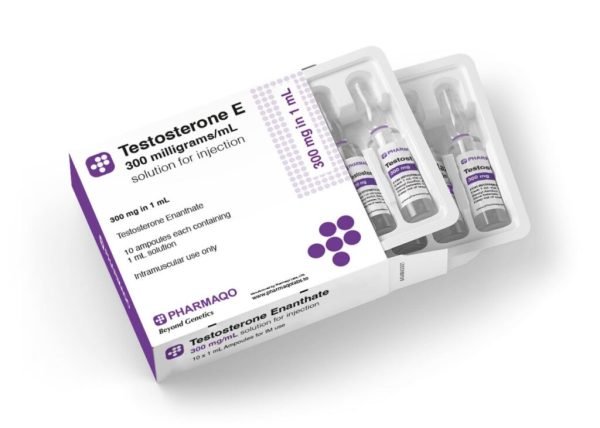
Pharmaqo UK – Testosterone E | Ampoules is a product name associated with testosterone enanthate, a long-acting ester of the naturally occurring hormone testosterone.
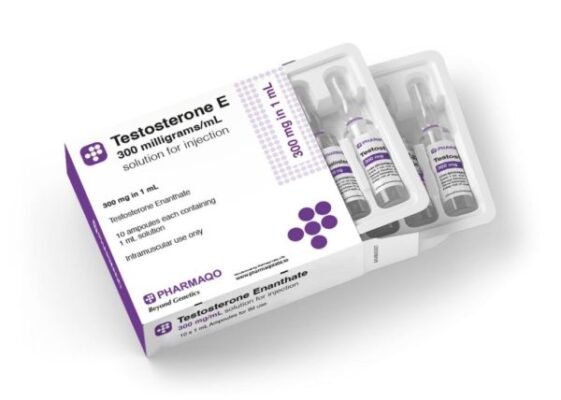
The exact concentration, ampoule volume, formulation, authenticity, sterility, and manufacturing quality of any specific product sold under the Pharmaqo UK name should not be assumed without reliable verification. Testosterone enanthate is used medically in certain testosterone-replacement settings, but non-prescribed use can affect the cardiovascular, reproductive, endocrine, hematologic, prostate, and psychological systems.
The FDA recognizes testosterone enanthate as an androgen used in testosterone replacement therapy for adult males with specific conditions associated with testosterone deficiency. Approved testosterone products require appropriate diagnosis and medical supervision.
What Is Pharmaqo UK Testosterone E?
Pharmaqo UK Testosterone E is marketed as an ampoule product associated with testosterone enanthate.
The product name suggests:
- Associated active compound: Testosterone enanthate
- Common abbreviation: Test E or Testosterone E
- Product form: Ampoule
- Category: Injectable androgen
The exact strength and volume of a particular Pharmaqo UK ampoule should be confirmed from reliable product documentation rather than assumed from the product name.
The appearance of an ampoule or its packaging cannot independently prove that it contains genuine testosterone enanthate or that it meets pharmaceutical standards.
What Is Testosterone Enanthate?
Testosterone enanthate is an esterified form of testosterone.
The enanthate ester affects the release characteristics of testosterone in the body compared with unesterified testosterone. Testosterone itself is an androgen involved in the development and maintenance of male reproductive and secondary sexual characteristics.
Testosterone enanthate is classified as an anabolic steroid and therapeutic testosterone.
Medical Uses
Testosterone therapy may be prescribed for adult men with documented testosterone deficiency associated with an underlying medical condition.
Before starting medically supervised therapy, clinicians may evaluate:
- Symptoms of testosterone deficiency
- Morning testosterone measurements
- Possible underlying causes
- Reproductive goals
- Cardiovascular risk factors
- Prostate-related considerations
The FDA states that testosterone products are approved for men with low testosterone associated with an associated medical condition.
Testosterone should not automatically be considered appropriate simply because a person experiences fatigue, reduced gym performance, low mood, or changes in body composition.
Understanding the Testosterone Enanthate Ester
Testosterone enanthate is a modified form of testosterone in which an enanthate ester is attached to the hormone molecule.
This changes how the compound is released and processed in the body.
The ester itself does not change the fact that testosterone can produce systemic hormonal effects. External testosterone can influence natural hormone signaling, reproductive function, blood production, blood pressure, and other physiological systems.
Effects on Natural Hormone Production
External testosterone can suppress the body’s natural production of reproductive hormones.
Potential effects may include:
- Reduced natural testosterone production
- Suppression of luteinizing hormone
- Suppression of follicle-stimulating hormone
- Reduced sperm production
- Reduced fertility
- Testicular shrinkage
The FDA labeling for testosterone enanthate identifies the potential for exogenous androgens to adversely affect spermatogenesis, including the possibility of azoospermia.
The extent and duration of hormonal suppression can vary between individuals.
Fertility Considerations
Testosterone therapy can reduce sperm production because external testosterone may suppress the hormonal signals required for normal testicular function.
Men who are planning to have children should discuss testosterone therapy with a qualified healthcare professional before treatment.
The Endocrine Society recommends against testosterone therapy in men planning fertility in the near term.
This is an important consideration for anyone considering testosterone treatment.
Blood Pressure and Cardiovascular Considerations
Testosterone products can affect blood pressure.
The FDA has required class-wide labeling changes concerning blood-pressure increases associated with testosterone products.
The current prescribing information for testosterone enanthate products also includes blood-pressure monitoring as an important safety consideration.
Potential cardiovascular concerns may include:
- Increased blood pressure
- Changes in cardiovascular risk factors
- Fluid retention
- Increased red blood cell production
- Blood-clot-related complications in some patients
People with cardiovascular risk factors should discuss testosterone treatment with a healthcare professional.
Increased Red Blood Cell Production
Testosterone can stimulate red blood cell production.
In some individuals, this may lead to an abnormally elevated hematocrit or red blood cell mass, known as polycythemia or erythrocytosis.
Potential concerns include:
- Increased blood viscosity
- Headaches
- Circulatory complications
- Increased risk of blood clots
The FDA prescribing information for testosterone enanthate recommends monitoring hematocrit to detect excessive increases in red blood cell mass.
Prostate Health
Testosterone can affect androgen-sensitive tissues, including the prostate.
Medical evaluation may consider:
- Prostate health
- Urinary symptoms
- Prostate-specific antigen testing when clinically appropriate
- Personal and family medical history
The FDA labeling for testosterone enanthate includes warnings concerning worsening symptoms of benign prostatic hyperplasia and prostate-related monitoring.
Possible Androgenic Effects
Testosterone may cause androgenic effects.
Potential effects can include:
- Acne
- Oily skin
- Increased facial or body hair
- Male-pattern hair loss in genetically susceptible individuals
- Changes in libido
The severity of these effects varies between individuals.
Effects in Women
Testosterone exposure can cause virilizing effects in women.
Potential effects may include:
- Voice deepening
- Increased facial or body hair
- Acne
- Menstrual irregularities
- Hair loss
- Clitoral enlargement
Some changes may be permanent.
Testosterone is also contraindicated during pregnancy because of the potential for fetal harm.
Psychological Effects
Changes in androgen levels can affect mood and psychological well-being.
Possible effects may include:
- Irritability
- Mood changes
- Anxiety
- Sleep disturbance
- Increased aggression
The FDA prescribing information for testosterone enanthate products also includes warnings concerning depression and suicidal ideation or behavior reported in clinical settings.
Severe or sudden psychological changes should receive professional attention.
Edema and Fluid Retention
Androgens may promote sodium and water retention.
This can contribute to edema, particularly in people with pre-existing cardiac, kidney, or liver conditions.
Swelling of the legs, sudden weight changes, or shortness of breath should be medically evaluated.
Sleep Apnea
Testosterone treatment may affect sleep-related breathing in susceptible individuals.
People with risk factors for sleep apnea should discuss these risks with a healthcare professional.
Loud snoring, witnessed pauses in breathing during sleep, and excessive daytime sleepiness can be signs of sleep-disordered breathing.
Risks Associated With Injectable Products
An ampoule intended for injection creates additional safety considerations.
Potential risks associated with non-regulated injectable products include:
- Bacterial contamination
- Abscesses
- Injection-site infections
- Tissue inflammation
- Bloodstream infection
- Particulate contamination
A clear liquid and professional-looking packaging do not prove that an injectable product is sterile.
Products from unregulated sources may not be manufactured under the quality controls required for approved medicines.
Product Authenticity and Quality
A product labeled Pharmaqo UK Testosterone E may not necessarily contain genuine testosterone enanthate or the stated concentration.
Potential concerns include:
- Counterfeit ingredients
- Incorrect strength
- Contamination
- Poor manufacturing standards
- Inaccurate labeling
- Inadequate sterility
The appearance of an ampoule, label, logo, or batch number cannot independently verify authenticity.
Independent laboratory analysis may help identify the contents of a particular sample, but testing one ampoule does not automatically prove that every ampoule or batch has the same composition.
Testosterone Enanthate and Anti-Doping Rules
Testosterone and related anabolic-androgenic steroids are prohibited in many competitive sports.
Athletes should consult the current rules of their relevant anti-doping organization.
The availability of a product for purchase does not mean that its use is permitted in competition.
Legal and Regulatory Considerations
The legal status of testosterone enanthate products varies between countries.
Regulations may apply to:
- Prescription requirements
- Possession
- Sale
- Importation
- Manufacture
- Distribution
An injectable product being advertised online does not automatically mean that it is an approved, authentic, or legally authorized medicine.
Frequently Asked Questions
What is Pharmaqo UK Testosterone E?
It is a product name associated with testosterone enanthate supplied in ampoule form.
What does “Test E” mean?
“Test E” is commonly used as an abbreviation for testosterone enanthate.
What is testosterone enanthate used for medically?
It may be used in testosterone replacement therapy for adult men with documented testosterone deficiency associated with specific medical conditions.
Can testosterone enanthate affect fertility?
Yes. External testosterone can suppress sperm production and may reduce fertility.
Can testosterone increase red blood cell levels?
Yes. Testosterone may increase red blood cell production, which is why medical monitoring can be important.
Can testosterone affect blood pressure?
Yes. The FDA has identified blood-pressure increases as an important safety consideration for testosterone products.
Are online testosterone ampoules always genuine?
No. Products from unregulated sources may be counterfeit, underdosed, overdosed, contaminated, or non-sterile.
Final Educational Summary
Pharmaqo UK – Testosterone E | Ampoules is a product name associated with testosterone enanthate, a long-acting ester of testosterone.
Testosterone enanthate has legitimate medical uses in selected cases of confirmed testosterone deficiency. However, testosterone is a potent hormone that can affect natural hormone production, fertility, blood pressure, red blood cell levels, cardiovascular health, prostate-related concerns, mood, sleep, and other body systems.
The exact concentration, ampoule volume, purity, sterility, authenticity, and manufacturing quality of any specific Pharmaqo UK Testosterone E ampoule should not be assumed from its product name or packaging alone.
Non-regulated injectable products also carry additional risks related to contamination, sterility, incorrect labeling, and manufacturing quality.
Anyone considering testosterone treatment or concerned about exposure to an unregulated testosterone product should consult a qualified healthcare professional.
Educational disclaimer: This article is provided for general educational and SEO purposes only. It does not endorse non-prescribed testosterone use, does not confirm the composition of any specific product, and does not provide individualized dosing, injection, cycling, stacking, or performance-enhancement instructions.
Be the first to review “Pharmaqo Uk – TESTOSTERONE E | Ampoules”
Related products
Injectable Steroids
Injectable Steroids

Injectable Steroids
Injectable Steroids
Injectable Steroids
Injectable Steroids

Injectable Steroids
Injectable Steroids
Reviews
There are no reviews yet.