
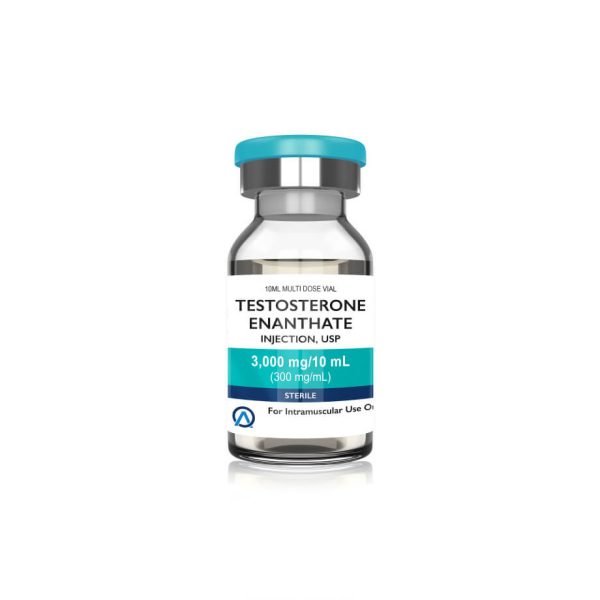

Anabolix Testosterone-E 300: Understanding Testosterone Enanthate, Potential Effects, and Safety Considerations
Anabolix Testosterone-E 300 is marketed as an injectable testosterone enanthate product with a stated concentration commonly associated with 300 mg per mL. Testosterone enanthate is an esterified form of testosterone designed to provide a longer-lasting release of the active hormone after administration.
Testosterone is an important hormone involved in numerous physiological processes, including reproductive function, muscle development, bone health, red blood cell production, and sexual characteristics. Testosterone products may be prescribed in specific medical circumstances when a clinically confirmed testosterone deficiency is present. However, testosterone products used outside approved medical indications or without appropriate medical supervision can carry significant risks.
This guide explains what Anabolix Testosterone-E 300 is marketed as, how testosterone enanthate works in general terms, potential effects, possible side effects, and important safety considerations.
What Is Anabolix Testosterone-E 300?
Anabolix Testosterone-E 300 is marketed as an injectable formulation of testosterone enanthate. The “E” in the product name generally refers to the enanthate ester, while “300” commonly indicates a stated concentration of 300 mg per mL.
The exact formulation, concentration, and quality of any individual product should be confirmed using reliable product documentation. A product name or label alone cannot independently verify the contents or manufacturing quality of an injectable product.
Testosterone enanthate is a modified form of testosterone. The attached ester changes the release characteristics of the hormone, allowing the active testosterone to be released over a longer period than unesterified testosterone.
Understanding Testosterone Enanthate
Testosterone enanthate belongs to a group of testosterone esters used in injectable testosterone formulations. In medical settings, testosterone therapy may be used for adult men with confirmed testosterone deficiency associated with an underlying medical condition.
Before medically indicated testosterone-replacement therapy is started, the diagnosis of testosterone deficiency should be properly evaluated. The FDA-approved testosterone enanthate product XYOSTED, for example, requires confirmation of low morning testosterone levels on separate occasions before treatment begins.
Testosterone therapy is not automatically appropriate for every person with fatigue, low mood, reduced athletic performance, or other nonspecific symptoms. A healthcare professional should evaluate symptoms, laboratory results, medical history, and potential underlying causes.
Why Is Testosterone Enanthate Discussed in Bodybuilding?
Testosterone enanthate is widely discussed in bodybuilding and performance-enhancement communities because testosterone has anabolic and androgenic effects.
Potential effects associated with increased androgen exposure may include:
- Changes in muscle mass
- Changes in strength
- Increased red blood cell production
- Changes in body composition
- Effects on libido and sexual function
However, these potential effects should not be interpreted as a guarantee of results. The use of testosterone at non-medical doses or for performance enhancement can increase the likelihood of adverse effects.
Medical testosterone replacement and non-medical performance-enhancement use are not the same. A clinically prescribed treatment plan aims to restore testosterone levels within an appropriate physiological range, whereas misuse may involve higher exposures and substantially different risks.
Potential Hormonal Effects
External testosterone can affect the body’s natural hormone system.
When testosterone is introduced from outside the body, the normal hormonal signals that stimulate natural testosterone production may be suppressed. This can affect the function of the testes and reproductive system.
Potential consequences may include:
- Suppression of natural testosterone production
- Reduced sperm production
- Fertility problems
- Changes in testicular function
- Hormonal imbalance
The FDA prescribing information for testosterone enanthate products warns that exogenous androgen administration may adversely affect spermatogenesis and may lead to azoospermia in some circumstances.
Individuals concerned about fertility should discuss testosterone therapy with a qualified healthcare professional before treatment.
Cardiovascular and Blood Pressure Considerations
Testosterone can influence cardiovascular risk factors, including blood pressure and blood composition.
Current prescribing information for testosterone enanthate products includes warnings about blood pressure increases, while also highlighting the need for monitoring. Testosterone may also increase red blood cell mass, a condition known as polycythemia, which requires appropriate clinical monitoring.
Potential concerns may include:
- Increased blood pressure
- Elevated hematocrit
- Changes in cholesterol levels
- Venous thromboembolism
- Cardiovascular strain in susceptible individuals
The FDA has updated testosterone-related safety information as evidence has evolved, but testosterone therapy still requires appropriate clinical evaluation and monitoring.
Possible Effects on the Prostate
Androgen exposure can affect the prostate.
Testosterone products are contraindicated in certain individuals with known or suspected prostate cancer, and medical treatment requires appropriate evaluation and monitoring. Testosterone therapy may also affect symptoms related to benign prostatic hyperplasia (BPH).
Anyone experiencing new or worsening urinary symptoms should seek medical evaluation rather than assuming the symptoms are unrelated to testosterone exposure.
Testosterone and Red Blood Cell Production
One recognized effect of testosterone therapy is stimulation of red blood cell production.
While this can be a therapeutic effect in some circumstances, excessive increases in red blood cell mass can create health concerns. For this reason, hematocrit monitoring is an important part of appropriate testosterone therapy.
The FDA prescribing information for testosterone enanthate products recommends monitoring hematocrit to detect polycythemia.
Potential Androgenic Effects
Testosterone has androgenic activity, which can produce a variety of effects.
Possible androgen-related effects may include:
- Acne
- Oily skin
- Increased body hair
- Male-pattern hair loss in genetically predisposed individuals
- Changes in libido
- Prostate-related effects
Women exposed to testosterone may experience virilizing effects, including voice deepening, increased facial hair, menstrual changes, and other androgen-related changes. Some of these effects may be difficult or impossible to reverse.
Mood, Sleep, and Other Considerations
Hormonal changes can affect different individuals in different ways.
Some people may experience changes in mood, energy, sleep, or emotional well-being. Testosterone product labeling also includes warnings related to sleep apnea in individuals with relevant risk factors and reports of depression and suicidal ideation in certain clinical contexts.
Significant changes in mood, behavior, or sleep should be discussed with a healthcare professional.
Product Quality and Authenticity
The quality and authenticity of an injectable product are important considerations.
Products obtained outside regulated pharmaceutical supply chains may carry risks related to:
- Incorrect active ingredients
- Incorrect concentration
- Contamination
- Counterfeit packaging
- Poor manufacturing practices
- Inaccurate labeling
- Improper storage
Injectable products also present additional concerns because contamination or inadequate sterility can cause serious complications.
Packaging, product photographs, and online descriptions should not be treated as definitive proof of authenticity or quality.
Is Anabolix Testosterone-E 300 a Dietary Supplement?
No. Testosterone enanthate is a pharmacologically active hormone and should not be considered an ordinary dietary supplement.
A testosterone product can affect the endocrine system, reproductive function, blood pressure, red blood cell production, cholesterol, and other physiological processes.
The term “supplement” should therefore not be used to imply that testosterone products are risk-free or suitable for unsupervised use.
Important Safety Considerations
Anyone considering testosterone therapy should first determine whether there is a genuine medical indication. Testosterone deficiency should be evaluated by a qualified healthcare professional using appropriate symptoms, medical history, and laboratory testing.
Particular caution may be necessary for individuals with:
- Prostate or breast cancer
- Cardiovascular disease
- High blood pressure
- Abnormal hematocrit
- Fertility concerns
- Sleep apnea
- Liver or kidney problems
- Existing hormonal disorders
The use of testosterone alongside other anabolic-androgenic steroids can also increase the complexity of potential adverse effects.
Medical supervision is important for appropriate monitoring of testosterone levels, hematocrit, blood pressure, prostate-related health, and other relevant factors.
Frequently Asked Questions About Anabolix Testosterone-E 300
What is Anabolix Testosterone-E 300?
Anabolix Testosterone-E 300 is marketed as an injectable testosterone enanthate product with a stated concentration commonly associated with 300 mg per mL.
What does the “E” mean?
The “E” generally refers to the enanthate ester attached to testosterone.
What is testosterone enanthate used for?
In approved medical settings, testosterone products may be used for certain men with confirmed testosterone deficiency associated with an underlying medical condition. The specific approved uses vary by product and jurisdiction.
Can testosterone affect fertility?
Yes. Exogenous testosterone can suppress natural testosterone production and may reduce sperm production, potentially affecting fertility.
What are the potential risks?
Potential concerns include increased hematocrit, blood pressure changes, hormonal suppression, fertility effects, prostate-related effects, lipid changes, edema, sleep apnea, and other adverse effects.
Is Anabolix Testosterone-E 300 a supplement?
No. It is marketed as a pharmacologically active testosterone product and should not be treated as an ordinary nutritional supplement.
Final Thoughts
Anabolix Testosterone-E 300 is marketed as a testosterone enanthate injectable formulation with a stated concentration of 300 mg per mL. Testosterone enanthate is a long-acting testosterone ester used in certain medical testosterone-replacement products, but the regulatory status and quality of any specific branded product should be verified independently.
Testosterone can influence many body systems, including hormone production, fertility, red blood cell production, blood pressure, cardiovascular health, prostate health, and mood. For that reason, testosterone therapy should be approached carefully and with appropriate professional medical supervision.
Anyone considering testosterone treatment should seek a proper medical evaluation rather than relying solely on online product descriptions, marketing claims, or informal performance-enhancement advice.
SEO Title: Anabolix Testosterone-E 300: Testosterone Enanthate Effects & Safety
Meta Description: Learn about Anabolix Testosterone-E 300, a testosterone enanthate injectable product, including potential effects, hormonal risks, fertility concerns, safety considerations, and FAQs.
Focus Keyword: Anabolix Testosterone-E 300
Secondary Keywords: Testosterone-E 300, testosterone enanthate 300mg, Anabolix Testosterone E, testosterone enanthate injection, testosterone safety, testosterone replacement therapy
Be the first to review “Anabolix Testosterone-E 300”
Related products
Injectable Steroids
Injectable Steroids
Injectable Steroids
Injectable Steroids
Injectable Steroids
Injectable Steroids

Injectable Steroids
Injectable Steroids
Reviews
There are no reviews yet.