
Anabolix Test Propionate 100: Uses, Benefits, Side Effects, and Safety Guide
Anabolix Test Propionate 100
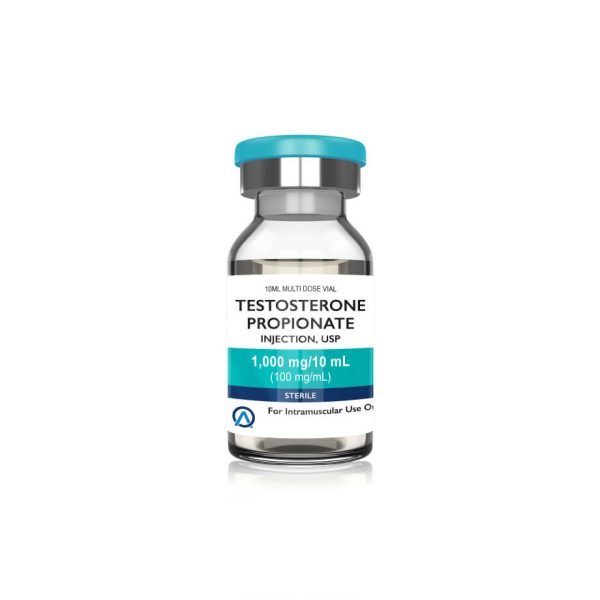
Anabolix Test Propionate 100 is marketed as an injectable anabolic-androgenic steroid (AAS) containing 100 mg/mL of testosterone propionate, a short-acting ester of testosterone. Testosterone propionate was the first commercially available testosterone ester and has been used medically for testosterone replacement therapy and certain other hormone-related conditions. It is administered by intramuscular injection and has a shorter duration of action than testosterone enanthate or testosterone cypionate.
Because testosterone propionate is a short-chain ester, it is absorbed and cleared more quickly than longer testosterone esters. This pharmacokinetic profile is why it is commonly associated with more frequent injections in medical practice and research.
As with any injectable hormone product, the quality, sterility, potency, and authenticity of Anabolix Test Propionate 100 should be verified through reliable sources whenever possible.
What Is Anabolix Test Propionate 100?
Anabolix Test Propionate 100 is marketed as an injectable preparation containing testosterone propionate.
General product information includes:
- Product Name: Anabolix Test Propionate 100
- Active Ingredient: Testosterone Propionate
- Strength: 100 mg/mL
- Product Type: Injectable anabolic-androgenic steroid
- Administration: Intramuscular injection
Testosterone propionate is a testosterone ester designed to release testosterone relatively quickly after injection, making it one of the fastest-acting injectable testosterone formulations.
What Is Testosterone Propionate?
Testosterone propionate is a synthetic ester of testosterone, the primary male sex hormone.
Once the propionate ester is removed by enzymes in the body, the released hormone is identical to naturally produced testosterone.
Testosterone influences numerous physiological functions, including:
- Muscle protein synthesis
- Bone mineral density
- Red blood cell production
- Sexual development and function
- Maintenance of secondary male characteristics
How Does Test Propionate Work?
Following intramuscular injection, testosterone propionate forms a temporary depot within muscle tissue.
As the propionate ester is gradually broken down, active testosterone enters the bloodstream and binds to androgen receptors throughout the body.
Its biological effects include:
- Increased protein synthesis
- Improved nitrogen retention
- Support for lean muscle maintenance
- Increased red blood cell production
- Maintenance of normal male hormonal function
Because the propionate ester is relatively short, blood testosterone levels rise and decline more rapidly than with longer esters such as enanthate or cypionate.
Medical Background of Testosterone Propionate
Testosterone propionate was introduced in the late 1930s and became the first widely marketed testosterone ester.
Historically, it has been prescribed for conditions including:
- Male hypogonadism
- Delayed puberty in males
- Certain hormone deficiency disorders
- Selected cases of breast cancer in women
Today, longer-acting testosterone esters are more commonly prescribed because they require less frequent administration.
Test Propionate in Bodybuilding Discussions
Testosterone propionate is frequently discussed within bodybuilding and strength-training communities.
Commonly discussed characteristics include:
- Lean muscle development
- Increased strength
- Faster onset compared with longer esters
- Support for recovery from intense training
- Reduced water retention compared with some high-dose testosterone protocols
Although these effects are widely discussed, non-medical anabolic steroid use carries significant health risks and is prohibited in most competitive sports.
Estrogen-Related Effects
Testosterone can be converted into estrogen through the aromatase enzyme.
Possible estrogen-related effects include:
- Water retention
- Breast tissue enlargement (gynecomastia)
- Increased estrogen levels
- Hormonal imbalance
Individual responses vary depending on genetics, dosage, duration of exposure, and other health factors.
Hormonal Suppression
Like all externally administered testosterone products, testosterone propionate can suppress the body’s natural hormone production.
Potential effects include:
- Reduced natural testosterone production
- Lower luteinizing hormone (LH)
- Lower follicle-stimulating hormone (FSH)
- Reduced sperm production
- Temporary fertility changes
- Testicular shrinkage
Hormonal recovery varies considerably between individuals.
Cardiovascular Considerations
Testosterone products may influence cardiovascular health.
Potential concerns include:
- Reduced HDL (“good”) cholesterol
- Increased LDL (“bad”) cholesterol
- Elevated blood pressure
- Increased red blood cell production
- Changes in cardiovascular risk factors
Regular medical monitoring is important for individuals receiving testosterone therapy.
Possible Side Effects
Potential side effects associated with testosterone propionate may include:
- Acne
- Oily skin
- Increased body hair
- Male-pattern hair loss in genetically susceptible individuals
- Mood changes
- Injection-site discomfort
- Water retention
- Elevated blood pressure
- Hormonal suppression
Women exposed to testosterone may experience androgenic effects such as:
- Voice deepening
- Increased facial or body hair
- Menstrual changes
- Clitoral enlargement
Some androgenic effects may be irreversible.
Product Quality Considerations
Injectable anabolic steroid products obtained outside regulated pharmaceutical systems may present additional risks.
Potential concerns include:
- Counterfeit products
- Incorrect hormone concentration
- Poor sterile manufacturing
- Contamination
- Mislabeling
Independent laboratory testing and official product authentication provide stronger confirmation of product quality than packaging appearance alone.
Storage Recommendations
Injectable testosterone products should generally be stored:
- At controlled room temperature
- Away from direct sunlight
- In the original packaging
- Protected from freezing
- Out of reach of children
Do not use products if the solution appears cloudy, contains visible particles, or if the vial has been damaged.
Frequently Asked Questions
What is Anabolix Test Propionate 100?
It is marketed as an injectable testosterone preparation containing 100 mg/mL of testosterone propionate.
What is the active ingredient?
The active ingredient is testosterone propionate.
How is testosterone propionate different from testosterone enanthate?
Testosterone propionate has a shorter ester, resulting in a faster release profile and a shorter duration of action than testosterone enanthate or testosterone cypionate.
Can Test Propionate suppress natural testosterone?
Yes. Like all externally administered testosterone products, it can suppress the body’s natural testosterone production.
Can testosterone propionate convert into estrogen?
Yes. Testosterone can be converted into estrogen through aromatization, which may contribute to estrogen-related side effects.
Is Anabolix Test Propionate 100 a dietary supplement?
No. It is marketed as an injectable anabolic-androgenic steroid and is not a dietary supplement.
Final Thoughts
Anabolix Test Propionate 100 is marketed as a short-acting injectable testosterone ester containing 100 mg/mL of testosterone propionate. It has a long medical history as one of the earliest testosterone formulations and remains recognized for its rapid onset and relatively short duration of action.
While testosterone propionate is widely discussed for hormone replacement and physique-related purposes, it is also associated with potential risks, including hormonal suppression, estrogen-related effects, cardiovascular changes, and androgenic side effects. Product authenticity, sterility, and manufacturing quality should always be carefully considered, particularly for injectable hormone products obtained outside regulated pharmaceutical supply chains.
Disclaimer: This article is provided for educational and informational purposes only. It is not medical advice and should not replace consultation with a qualified healthcare professional.
Be the first to review “Anabolix Test Propionate 100”
Related products
Injectable Steroids
Injectable Steroids
Injectable Steroids
Injectable Steroids
Injectable Steroids
Injectable Steroids
Injectable Steroids
Injectable Steroids
Reviews
There are no reviews yet.