
Euro Pharmacies IGF-1 LR3 1mg: Educational Guide to Long R3 IGF-1, Research Uses, Risks, and Safety
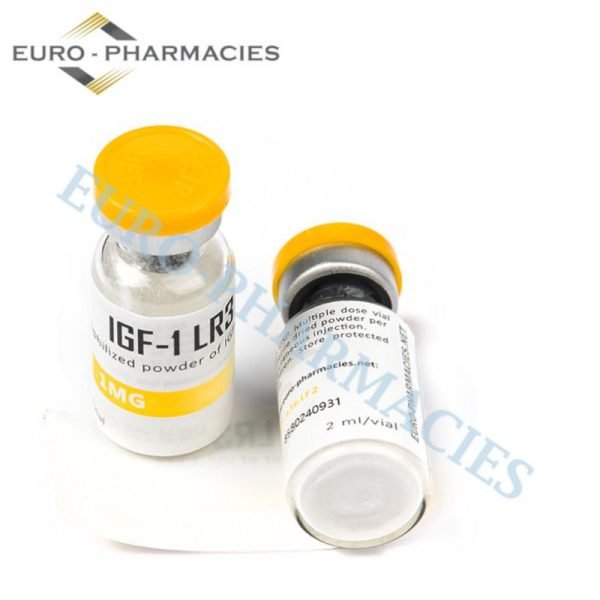
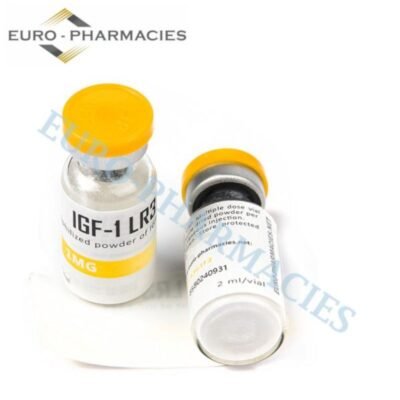
Euro Pharmacies IGF-1 LR3 1mg is a product name associated with IGF-1 LR3, also known as Long R3 IGF-1 or Long-Arg3-IGF-1.
IGF-1 LR3 is an engineered analogue of insulin-like growth factor 1 (IGF-1). It is primarily associated with laboratory and preclinical research rather than an approved human medicine. Available sources indicate that IGF-1 LR3 has not received FDA approval for human therapeutic use and that human clinical safety data are extremely limited or absent.
The product name identifies a stated amount of 1mg, but the actual identity, purity, concentration, sterility, stability, and manufacturing quality of any specific product labeled Euro Pharmacies IGF-1 LR3 should not be assumed from its packaging or online description.
What Is Euro Pharmacies IGF-1 LR3?
Euro Pharmacies IGF-1 LR3 is marketed as a product associated with Long R3 IGF-1, a modified analogue of naturally occurring IGF-1.
The stated product information includes:
- Associated compound: IGF-1 LR3
- Common names: Long R3 IGF-1, Long-Arg3-IGF-1
- Stated amount: 1mg
- Product category: Research-associated peptide or growth-factor analogue
IGF-1 LR3 was developed as a modified research compound designed to behave differently from native IGF-1. Its structural modifications reduce binding to certain IGF-binding proteins, which can alter the amount of free biologically active compound available in experimental systems.
What Is IGF-1?
Insulin-like growth factor 1, or IGF-1, is a naturally occurring hormone involved in growth, development, and cellular signaling.
The IGF-1 system is connected to:
- Growth and development
- Protein synthesis
- Cell proliferation
- Tissue repair processes
- Metabolic signaling
IGF-1 activity occurs through interactions with the IGF-1 receptor and related signaling pathways.
The body’s natural IGF-1 system is carefully regulated by hormones and binding proteins. Modified analogues such as IGF-1 LR3 may behave differently from naturally occurring IGF-1.
What Does “LR3” Mean?
The “LR3” designation refers to structural modifications to the IGF-1 molecule.
These modifications are intended to alter its interaction with IGF-binding proteins and influence its biological activity and persistence in experimental models.
Research sources describe IGF-1 LR3 as having reduced binding to certain IGF-binding proteins compared with native IGF-1, which may increase the free fraction available for receptor activity.
The effects observed in laboratory or animal research should not automatically be interpreted as proof of safety or effectiveness in humans.
Research Applications
IGF-1 LR3 has been associated primarily with preclinical and laboratory research.
Research areas may include:
- Cell signaling
- Protein synthesis
- Growth-factor pathways
- Muscle tissue models
- Cellular proliferation
- Tissue-repair mechanisms
However, the available evidence base is primarily preclinical. Sources reviewing the compound report that there is no established human clinical evidence demonstrating its safety or effectiveness for bodybuilding, athletic performance, recovery, or other non-approved uses.
IGF-1 LR3 Is Not the Same as Mecasermin
An important distinction exists between IGF-1 LR3 and mecasermin.
Mecasermin is recombinant human IGF-1 used for a specific approved medical indication involving severe primary IGF-1 deficiency in children.
IGF-1 LR3 is a modified analogue and is not the same molecule as native recombinant IGF-1.
The existence of an approved IGF-1 medicine does not mean that IGF-1 LR3 has the same safety profile, approved uses, clinical evidence, or regulatory status.
Blood Glucose and Hypoglycemia Concerns
One of the most important safety concerns associated with IGF-1 activity is the potential effect on blood glucose.
IGF-1 signaling can overlap with metabolic pathways involved in insulin activity.
Excessive growth-factor signaling may therefore contribute to low blood glucose, also known as hypoglycemia.
Potential symptoms of hypoglycemia may include:
- Sweating
- Shaking
- Dizziness
- Confusion
- Weakness
- Blurred vision
- Loss of consciousness
Severe hypoglycemia can be a medical emergency.
Because human safety data for IGF-1 LR3 are limited, the risks associated with non-medical use cannot be reliably predicted.
Growth-Signaling Concerns
The IGF-1 pathway is involved in cell growth and proliferation.
For this reason, prolonged or excessive stimulation of IGF-related signaling raises theoretical concerns regarding abnormal tissue growth and cancer-related pathways.
The long-term effects of IGF-1 LR3 exposure in humans have not been adequately established.
This uncertainty is particularly important because the compound was not developed as a conventional approved medicine and lacks the extensive long-term safety data expected for authorized human therapeutics.
Potential Effects on Tissues and Organs
Preclinical research involving IGF-related compounds has examined effects on growth and tissue development.
However, findings from animal or laboratory models cannot be directly translated into predictable human outcomes.
Potential concerns associated with excessive or uncontrolled growth-factor signaling may include:
- Abnormal tissue growth
- Metabolic disturbances
- Organ-related effects
- Changes in glucose regulation
The absence of comprehensive human clinical trials means that the complete long-term risk profile of IGF-1 LR3 remains uncertain.
Product Purity and Quality
A product labeled Euro Pharmacies IGF-1 LR3 1mg may not necessarily contain the stated compound or amount.
Potential quality concerns include:
- Incorrect peptide identity
- Incorrect concentration
- Degradation
- Contamination
- Endotoxin contamination
- Poor storage conditions
- Counterfeit labeling
Peptides can be sensitive to manufacturing, handling, storage, and formulation conditions.
The appearance of a vial, packaging, label, or batch number cannot independently verify the actual identity, purity, or sterility of a product.
Sterility Concerns
If a product is marketed for administration by injection, sterility becomes an additional safety concern.
Contaminated injectable products may cause:
- Injection-site infections
- Abscesses
- Tissue inflammation
- Systemic infection
A product marketed online as a research peptide should not automatically be assumed to meet the sterile manufacturing standards required for approved injectable medicines.
Regulatory Status
IGF-1 LR3 is not approved by the FDA for human therapeutic use.
Available sources also indicate that it has no established marketing authorization from major regulatory agencies for routine human treatment.
The product’s availability through an online seller does not automatically establish that it is:
- Approved
- Licensed
- Pharmaceutical grade
- Suitable for human use
Regulations vary by country and may apply to the manufacture, importation, sale, possession, and distribution of research peptides.
Athletic and Anti-Doping Considerations
IGF-1 and related growth-factor analogues are prohibited under many anti-doping frameworks.
Athletes should consult the current rules of their relevant sport and anti-doping organization.
A product marketed as a research compound may still be prohibited in competitive sport.
Why Human Evidence Is Important
Laboratory and animal studies can provide information about biological mechanisms, but they cannot replace controlled human clinical trials.
For IGF-1 LR3, major evidence gaps include:
- Limited human pharmacokinetic data
- Limited human safety data
- Lack of established therapeutic dosing
- Lack of long-term safety studies
- Uncertainty regarding product quality in unregulated markets
These gaps make it difficult to predict how a specific product will affect an individual.
Frequently Asked Questions
What is Euro Pharmacies IGF-1 LR3 1mg?
It is a product name associated with IGF-1 LR3, a modified analogue of insulin-like growth factor 1.
What does 1mg mean?
It refers to the stated amount of product in the package or vial. The actual amount and purity should not be assumed without reliable verification.
Is IGF-1 LR3 FDA-approved?
No. Available sources indicate that IGF-1 LR3 is not FDA-approved for human therapeutic use.
Is IGF-1 LR3 the same as mecasermin?
No. Mecasermin is recombinant native human IGF-1 used for a specific approved pediatric indication, while IGF-1 LR3 is a modified analogue with a different regulatory and evidence profile.
Can IGF-1-related compounds affect blood sugar?
Yes. IGF-1 signaling can affect glucose metabolism, and hypoglycemia is an important safety concern associated with IGF-1 activity.
Is IGF-1 LR3 approved for muscle growth or athletic performance?
No. There is no established approved human indication for using IGF-1 LR3 for bodybuilding, athletic performance, or general body-composition enhancement.
Are online IGF-1 LR3 products always genuine?
No. Unregulated products may be mislabeled, degraded, contaminated, counterfeit, or contain a different substance.
Final Educational Summary
Euro Pharmacies IGF-1 LR3 1mg is a product name associated with Long R3 IGF-1, a modified analogue of insulin-like growth factor 1.
IGF-1 LR3 is primarily associated with laboratory and preclinical research. Its structural modifications alter how it interacts with IGF-binding proteins and growth-factor signaling pathways. However, available evidence does not establish the compound as an approved human medicine, and human clinical safety data remain extremely limited.
Important potential concerns include effects on blood glucose, hypoglycemia, uncontrolled growth-factor signaling, tissue-growth pathways, and the unknown long-term consequences of exposure.
The exact identity, purity, concentration, sterility, stability, and manufacturing quality of any specific product labeled Euro Pharmacies IGF-1 LR3 1mg should not be assumed from its packaging or online product description.
Anyone concerned about exposure to IGF-1 LR3 or another growth-factor analogue should consult a qualified healthcare professional.
Educational disclaimer: This article is provided for general educational and SEO purposes only. It does not endorse non-approved human use, does not confirm the composition of any specific product, and does not provide dosing, reconstitution, injection, cycling, or performance-enhancement instructions.
Be the first to review “Euro Pharmacies IGF 1-LR3 1mg”
Related products
Injectable Steroids
Injectable Steroids
Injectable Steroids
Injectable Steroids
Injectable Steroids
Injectable Steroids
Injectable Steroids
Injectable Steroids
Reviews
There are no reviews yet.