
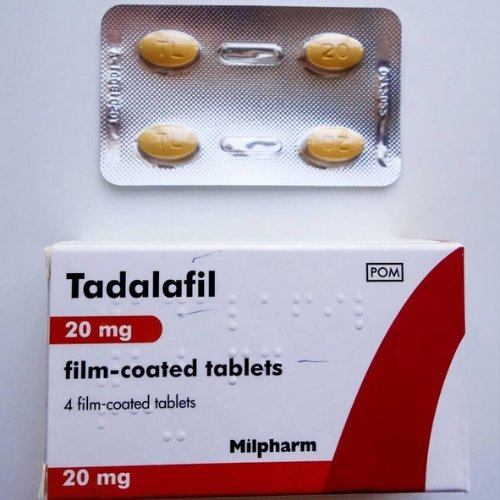

Tadalafil 10 mg: Uses, Dosage, Side Effects, Safety, and Frequently Asked Questions
What Is Tadalafil 10 mg?
Tadalafil 10 mg is a prescription medication that belongs to a group of medicines called phosphodiesterase type 5 (PDE5) inhibitors.
It is mainly used to treat:
- Erectile dysfunction (ED) in adult men.
- Symptoms of benign prostatic hyperplasia (BPH) (enlarged prostate) in some cases.
Tadalafil works by improving blood flow to certain areas of the body. It is commonly known by the brand name Cialis in many countries.
Available strengths may include:
- 2.5 mg
- 5 mg
- 10 mg
- 20 mg
How Tadalafil Works
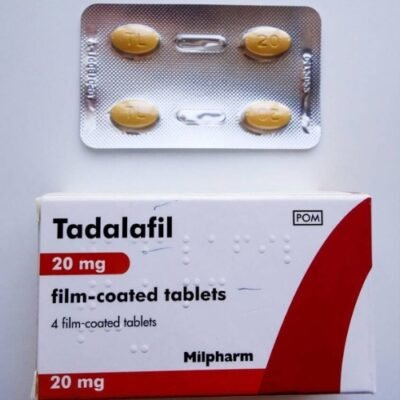
During sexual stimulation, the body releases chemicals that increase blood flow to the penis.
Tadalafil works by blocking the PDE5 enzyme, which helps:
- Relax blood vessels.
- Increase blood flow.
- Support the ability to achieve and maintain an erection when sexually stimulated.
Tadalafil does not increase sexual desire and does not cause an erection without sexual stimulation.
Tadalafil 10 mg Uses
Erectile Dysfunction (ED)
Tadalafil may be prescribed to help adults with erectile dysfunction, a condition where achieving or maintaining an erection is difficult.
It may help improve:
- Erectile response.
- Sexual function.
- Confidence related to sexual performance.
Benign Prostatic Hyperplasia (BPH)
Tadalafil may also be used in some patients to help relieve urinary symptoms associated with an enlarged prostate, such as:
- Difficulty starting urination.
- Weak urine flow.
- Frequent urination.
Benefits of Tadalafil 10 mg
When prescribed and used correctly, Tadalafil may help:
- Improve blood flow.
- Support erectile function.
- Provide a longer duration of action compared with some similar medicines.
- Improve urinary symptoms related to BPH in suitable patients.
Tadalafil 10 mg Dosage
The correct dose depends on:
- The condition being treated.
- Overall health.
- Other medications.
- Heart and blood pressure conditions.
General guidance:
- Take only as prescribed by a healthcare professional.
- Do not take more than the recommended dose.
- Do not combine with other erectile dysfunction medicines unless advised by a doctor.
How to Take Tadalafil
General instructions:
- Tadalafil tablets are usually taken before sexual activity when prescribed for erectile dysfunction.
- It may be taken with or without food.
- Swallow with water.
- Sexual stimulation is required for the medicine to work.
Some people may be prescribed a daily low-dose tadalafil regimen for certain conditions.
Missed Dose
If tadalafil is prescribed as a daily medication:
- Take it when you remember.
- If it is close to the next dose, skip the missed dose.
- Do not take extra tablets to make up for a missed dose.
Common Side Effects
Common side effects may include:
- Headache.
- Flushing.
- Indigestion.
- Back pain.
- Muscle aches.
- Stuffy nose.
- Dizziness.
Serious Side Effects
Seek urgent medical help if you experience:
- Chest pain.
- Severe dizziness or fainting.
- Sudden vision changes.
- Sudden hearing loss.
- A prolonged or painful erection.
Safety Information
Before taking Tadalafil, tell your healthcare provider if you have:
- Heart disease.
- Low or uncontrolled high blood pressure.
- Previous stroke or heart attack.
- Liver or kidney problems.
- Eye conditions affecting vision.
- Blood disorders.
- A history of prolonged erections.
A healthcare professional should assess whether tadalafil is safe, especially for people with heart conditions.
Drug Interactions
Tadalafil may interact with:
- Nitrate medicines used for chest pain (these combinations can cause a dangerous drop in blood pressure).
- Alpha-blockers.
- Some blood pressure medicines.
- Certain antifungal medicines.
- Some antibiotics.
- HIV medicines.
Always tell your healthcare provider about all prescription medicines, over-the-counter medicines, vitamins, and supplements you use.
Alcohol and Tadalafil
Large amounts of alcohol may increase the risk of:
- Dizziness.
- Low blood pressure.
- Reduced sexual performance.
Use caution and discuss alcohol use with a healthcare professional.
Pregnancy and Breastfeeding
Tadalafil is not intended for use during pregnancy or breastfeeding because it is not indicated for these purposes.
Storage
Store Tadalafil tablets:
- At room temperature.
- Away from moisture and heat.
- In the original packaging.
- Out of reach of children.
Frequently Asked Questions (FAQs)
What is Tadalafil 10 mg used for?
Tadalafil 10 mg is mainly used to treat erectile dysfunction and may also be used for certain urinary symptoms caused by an enlarged prostate.
Is Tadalafil the same as Cialis?
Yes. Cialis is a brand name for tadalafil.
How long does Tadalafil last?
Tadalafil can have a longer duration of action compared with some other PDE5 inhibitors, but the exact duration varies between individuals.
Does Tadalafil increase sexual desire?
No. Tadalafil improves blood flow but does not increase sexual desire or act as a hormone.
Does Tadalafil work without sexual stimulation?
No. Sexual stimulation is needed for tadalafil to help produce an erection.
Can Tadalafil be taken with heart medicines?
Some heart medicines, especially nitrate medicines, must not be combined with tadalafil. Always consult a healthcare professional.
Can older adults take Tadalafil?
Yes, but older adults may need assessment because age-related health conditions and medications can affect safety.
What happens if too much Tadalafil is taken?
Taking too much may increase the risk of side effects such as dizziness, low blood pressure, or prolonged erection. Seek medical advice if an overdose is suspected.
Can Tadalafil cure erectile dysfunction?
No. Tadalafil treats symptoms of erectile dysfunction but does not cure the underlying causes.
Final Thoughts
Tadalafil 10 mg is a PDE5 inhibitor used mainly for erectile dysfunction and, in some cases, symptoms related to an enlarged prostate. It works by improving blood flow and helping the body respond naturally to sexual stimulation.
Use Tadalafil only as prescribed, avoid dangerous medication combinations such as nitrates, and discuss any health conditions or concerns with a qualified healthcare professional.
Medical Disclaimer: This article is for educational and informational purposes only and should not replace professional medical advice, diagnosis, or treatment. Always consult a qualified healthcare professional before starting, stopping, or changing any medication.
| Quantity | 30 Pills, 60 Pills, 120 Pills, 180 Pills, 200 Pills, 250 Pills, 300 Pills, 400 Pills, 500 Pills |
|---|
Be the first to review “Tadalafil 10mg”
Related products

Drugs
Drugs
Drugs
Drugs
Drugs
Drugs
Drugs

Drugs
Reviews
There are no reviews yet.