
Claritin 10 mg: Uses, Dosage, Side Effects, Safety, and Frequently Asked Questions
Claritin 10 mg: Uses, Dosage, Side Effects & Safety Guide
Learn about Claritin 10 mg (loratadine), including its uses for allergies, dosage guidance, side effects, safety precautions, drug interactions, and frequently asked questions.
Claritin 10 mg: Everything You Need to Know
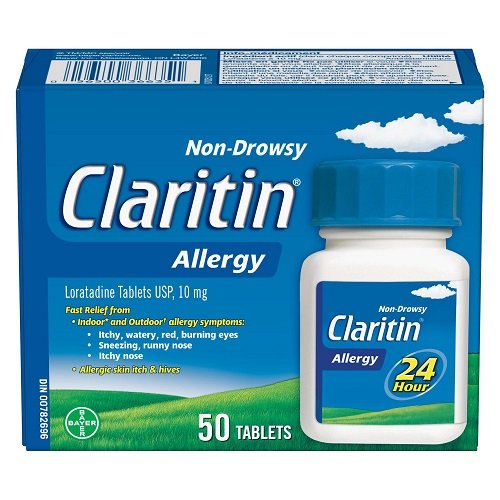
Claritin 10 mg is a non-drowsy antihistamine medication containing loratadine, which is used to relieve symptoms caused by allergies. It works by blocking the action of histamine, a natural substance released by the body during allergic reactions.
Claritin is commonly used to treat symptoms of hay fever (allergic rhinitis), seasonal allergies, hives (urticaria), and other allergic conditions. Compared with older antihistamines, loratadine generally causes less drowsiness for many people.
What Is Claritin 10 mg?
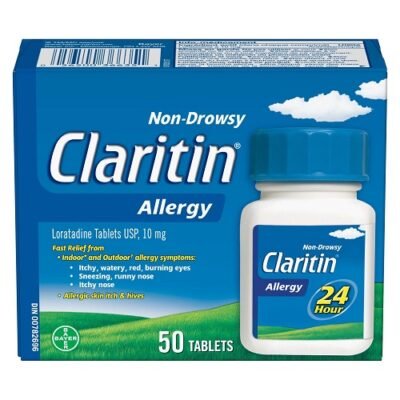
Claritin contains the active ingredient:
- Loratadine 10 mg
It belongs to a group of medicines called second-generation antihistamines.
Available forms may include:
- 10 mg tablets
- Chewable tablets
- Liquid formulations (depending on country)
Approved Medical Uses
Claritin 10 mg may be used for:
- Seasonal allergic rhinitis (hay fever)
- Perennial allergic rhinitis (year-round allergies)
- Sneezing caused by allergies
- Runny nose
- Itchy nose or throat
- Watery, itchy eyes
- Hives (urticaria)
- Itching associated with allergic skin reactions
How Does Claritin Work?
During an allergic reaction, the body releases histamine, which can cause:
- Sneezing
- Itching
- Runny nose
- Watery eyes
- Skin irritation
Loratadine works by blocking histamine H1 receptors.
This helps:
- Reduce allergy symptoms
- Decrease itching
- Reduce sneezing
- Relieve watery eyes
- Improve nasal allergy symptoms
How Should Claritin 10 mg Be Taken?
Always use Claritin according to the product instructions or advice from a healthcare professional.
General recommendations include:
- Take once daily.
- Swallow tablets with water.
- Take with or without food.
- Do not exceed the recommended dose.
- Check with a healthcare provider before combining with other allergy medicines.
Dosage Information
Dosage depends on age, health condition, and medical advice.
Adults and children 6 years and older
- 10 mg once daily is the commonly recommended dose.
People with certain health conditions
Those with severe liver or kidney problems may require adjusted dosing.
Important note
Do not give Claritin to young children unless advised by a healthcare professional.
Common Side Effects
Claritin is generally well tolerated, but some people may experience:
- Headache
- Dry mouth
- Fatigue
- Drowsiness (less common than older antihistamines)
- Stomach discomfort
- Nausea
Serious Safety Warnings
Serious reactions are uncommon but may include:
- Severe allergic reactions
- Swelling of the face, lips, tongue, or throat
- Difficulty breathing
- Severe skin reactions
Seek urgent medical attention if signs of a serious allergic reaction occur.
Important Precautions
Before taking Claritin, tell your healthcare provider if you have:
- Liver disease
- Kidney disease
- Pregnancy or breastfeeding considerations
- Previous reactions to antihistamines
Although Claritin is considered less sedating than many older antihistamines, some people may still experience drowsiness.
Drug Interactions
Claritin generally has fewer interactions than many older antihistamines.
Tell your healthcare provider about all:
- Prescription medications
- Over-the-counter medicines
- Vitamins
- Herbal supplements
Some medicines may affect how loratadine is processed in the body, including certain:
- Antifungal medicines
- Antibiotics
- Other medications affecting liver enzymes
Monitoring During Treatment
Most people do not require special monitoring when using Claritin.
Healthcare providers may review:
- Allergy symptom control
- Side effects
- Long-term allergy management needs
If symptoms continue despite treatment, medical advice may be needed.
Safe Storage
Store Claritin according to the product instructions.
General recommendations include:
- Keep tablets in the original package.
- Store at room temperature.
- Protect from moisture and heat.
- Keep away from children and pets.
- Do not use after the expiry date.
Frequently Asked Questions
What is Claritin 10 mg used for?
Claritin 10 mg is used to relieve allergy symptoms such as sneezing, runny nose, itchy eyes, and hives.
What is the active ingredient in Claritin?
The active ingredient is loratadine.
Is Claritin a non-drowsy antihistamine?
Claritin is considered a second-generation antihistamine and usually causes less drowsiness compared with older antihistamines, although some people may still feel sleepy.
How long does Claritin take to work?
Many people experience relief within a few hours after taking a dose. Effects may last about 24 hours.
Can I take Claritin every day?
Some people use Claritin daily for ongoing allergies, but regular long-term use should follow product guidance or healthcare advice.
Can Claritin be taken with other allergy medicines?
Check with a healthcare provider before combining allergy medicines to avoid taking unnecessary duplicate treatments.
Does Claritin treat colds?
No. Claritin treats allergy symptoms caused by histamine reactions, not viral infections such as the common cold.
Conclusion
Claritin 10 mg (loratadine) is a widely used antihistamine medication that helps relieve symptoms caused by allergies, including sneezing, runny nose, itchy eyes, and hives. By blocking histamine activity, it helps reduce allergic reactions while generally causing less drowsiness than older antihistamines.
For safe and effective use, take Claritin as directed, consider existing health conditions and medications, and consult a healthcare professional if allergy symptoms persist or worsen.
Claritin 10 mg, Claritin, loratadine 10 mg, loratadine tablets, Claritin uses, Claritin dosage, Claritin side effects, allergy medicine, antihistamine medication, hay fever treatment, seasonal allergy relief, hives treatment, itching relief medicine, non drowsy antihistamine, Claritin safety, Claritin FAQs, allergy symptom treatment, prescription allergy medication, over the counter antihistamine.
| Quantity | 30 pills, 60 pills, 120 pills, 180 pills, 200 pills, 250 pills, 300 pills, 400 pills, 500 pills |
|---|
Be the first to review “Claritin 10mg”
Related products

Drugs
Drugs
Drugs
Drugs
Drugs
Drugs
Drugs
Reviews
There are no reviews yet.