
Geranium DMAA 150 Capsules: Uses, Effects, Risks, and FAQs
What Is Geranium DMAA 150 Capsules?
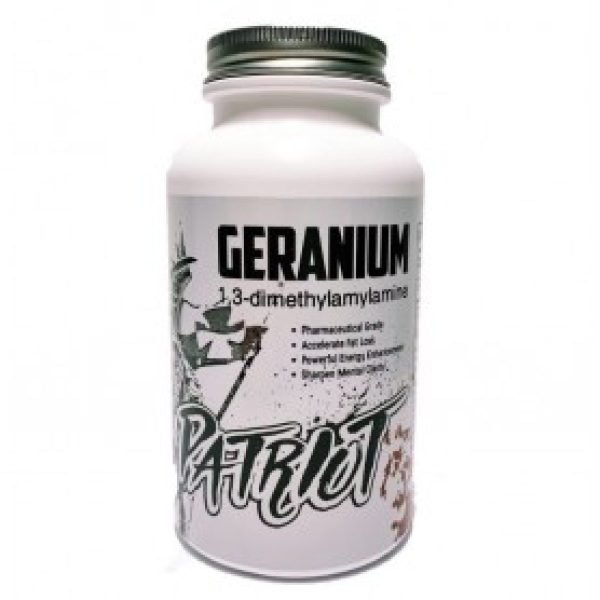
Geranium DMAA 150 Capsules is a product marketed as a high-stimulant performance and energy product containing or associated with DMAA (1,3-dimethylamylamine), also known as methylhexanamine, geranamine, or 1,3-DMAA.
The term “geranium” has historically been used in supplement marketing to describe DMAA, although the FDA states that it is not aware of reliable science showing that DMAA naturally occurs in geranium plants. The exact amount per capsule and formulation of a product labeled 150 capsules should be verified from the specific packaging and batch information.
What Is It Marketed For?
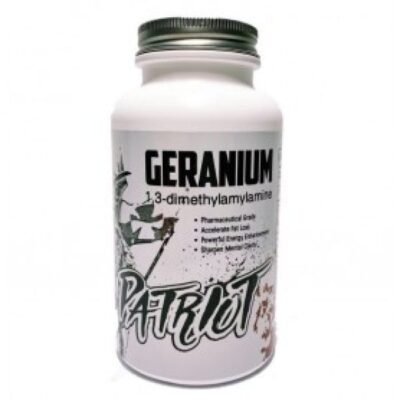
Products associated with DMAA have historically been marketed for:
- Energy and alertness.
- Pre-workout stimulation.
- Training intensity.
- Focus and concentration.
- Weight-management support.
- Increased motivation and performance.
These are marketing claims and should not be interpreted as evidence that DMAA is safe or appropriate for routine use.
What Is DMAA?
DMAA is a powerful synthetic stimulant also known as:
- 1,3-Dimethylamylamine
- Methylhexanamine
- Geranamine
- 1,3-DMAA
The FDA has stated that DMAA is not a lawful dietary-supplement ingredient in the United States and has warned consumers about serious cardiovascular risks associated with its use.
Potential Effects Marketed by Users
Increased Stimulation
DMAA-containing products have historically been promoted for intense stimulation and increased energy.
Enhanced Alertness and Focus
Some users seek stimulant products for increased concentration and mental alertness during training or other activities.
Pre-Workout Performance
DMAA has been marketed in some performance products as a high-intensity pre-workout stimulant.
However, the intensity of a stimulant effect does not mean that a product is safe or suitable for use.
Possible Side Effects and Health Risks
DMAA can raise blood pressure and may cause serious cardiovascular problems. Reported concerns include:
- Increased blood pressure.
- Rapid heartbeat or palpitations.
- Shortness of breath.
- Chest tightness.
- Anxiety or agitation.
- Headache.
- Insomnia.
- Cardiovascular complications, including heart attack.
The FDA has specifically warned that DMAA can elevate blood pressure and lead to cardiovascular problems. Risks may be greater when it is combined with caffeine, other stimulants, intense exercise, dehydration, or certain medications.
Regulatory and Product-Quality Concerns
Products marketed as “Geranium,” “Geranium Extract,” or “DMAA” may not always contain what the label claims. The FDA has warned that some products marketed as supplements have contained undeclared DMAA or other substances.
The product name, capsule count, and packaging alone do not confirm:
- The actual DMAA content.
- The purity of the product.
- The accuracy of the label.
- The absence of contamination.
Independent, batch-specific testing would be needed to verify the contents of a particular product.
Safety Information
Extra caution is particularly important for people with:
- Heart disease.
- High blood pressure.
- Heart rhythm problems.
- Anxiety or panic disorders.
- Thyroid conditions.
- A history of stimulant sensitivity.
DMAA should not be combined with other powerful stimulants or products that may raise heart rate and blood pressure without professional medical guidance.
If someone experiences chest pain, severe shortness of breath, fainting, or severe palpitations after taking a stimulant product, urgent medical evaluation is appropriate.
Frequently Asked Questions (FAQs)
What is Geranium DMAA 150 Capsules?
It is a product marketed as a high-stimulant energy or performance product associated with DMAA, also known as 1,3-dimethylamylamine.
Is “Geranium” the same as DMAA?
“Geranium” or “geranium extract” has historically been used in supplement marketing as a name associated with DMAA. However, the FDA states that it is not aware of reliable science showing that DMAA naturally occurs in geranium plants.
What is DMAA used for?
Historically, DMAA-containing products have been marketed for energy, focus, pre-workout stimulation, weight management, and performance support.
What are the main risks of DMAA?
The main concerns include elevated blood pressure and potentially serious cardiovascular complications, including heart attack, shortness of breath, and chest tightness.
Is Geranium DMAA safe?
Safety cannot be assumed. The FDA has warned about serious risks associated with DMAA and advises consumers not to buy or use products marketed as dietary supplements that contain it.
Does “150 capsules” indicate the DMAA dosage?
No. 150 capsules describes the quantity of capsules in the container, not the amount of DMAA in each capsule. The actual ingredient amount would need to be verified from the product label.
Final Thoughts
Geranium DMAA 150 Capsules is associated with DMAA, a powerful stimulant historically marketed for energy, pre-workout performance, focus, and weight-management goals. However, DMAA has significant safety and regulatory concerns, particularly because it can raise blood pressure and may cause serious cardiovascular complications.
The exact contents of any product sold under this name should be independently verified rather than assumed from its label or marketing description.
Disclaimer: This information is for educational purposes only and does not replace professional medical advice. Because DMAA can pose serious cardiovascular risks, consult a qualified healthcare professional before using any product suspected of containing DMAA or another powerful stimulant.
Be the first to review “Geranium DMAA 150 caps Pharmaceutical”
Related products
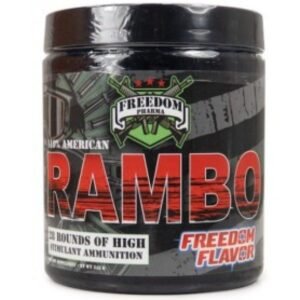
3-Dimethylamylamine (DMAA)
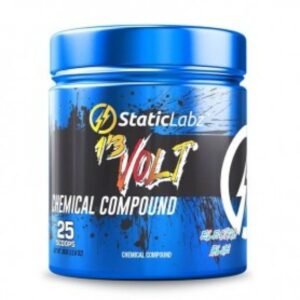
3-Dimethylamylamine (DMAA)
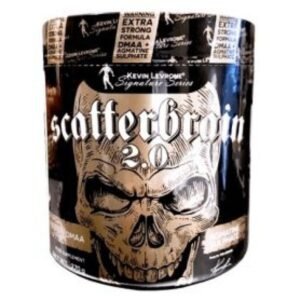
3-Dimethylamylamine (DMAA)
3-Dimethylamylamine (DMAA)
3-Dimethylamylamine (DMAA)

3-Dimethylamylamine (DMAA)
3-Dimethylamylamine (DMAA)
3-Dimethylamylamine (DMAA)
Reviews
There are no reviews yet.