
Vyvanse 70 mg: Uses, Dosage, Side Effects, Safety Information, and Frequently Asked Questions
What Is Vyvanse 70 mg?
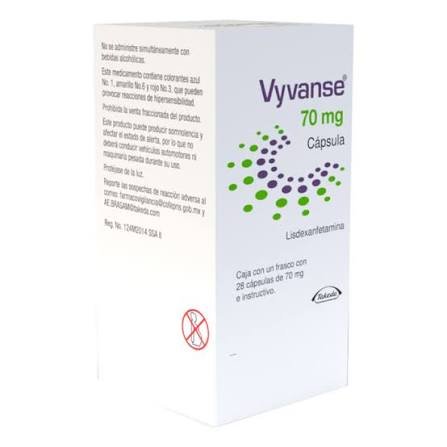
Vyvanse 70 mg is a prescription medication containing lisdexamfetamine dimesylate, a central nervous system (CNS) stimulant. It is primarily used to treat Attention Deficit Hyperactivity Disorder (ADHD) and is also approved for the treatment of moderate to severe binge eating disorder (BED) in adults.
Vyvanse is a prodrug, meaning the body converts lisdexamfetamine into the active compound dextroamphetamine after absorption. This design provides a gradual release of stimulant activity compared with some immediate-release stimulant medications.
Active Ingredient
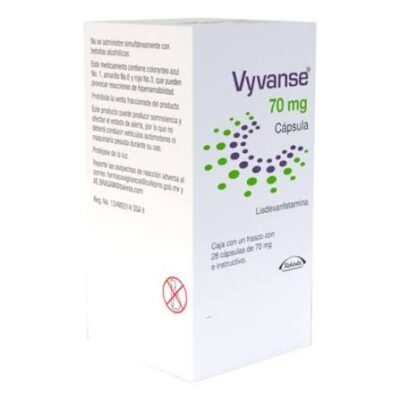
Active ingredient: Lisdexamfetamine dimesylate
Strength: 70 mg
Medication class: Central nervous system stimulant
Drug category: Schedule II controlled substance (United States)
Uses of Vyvanse 70 mg
1. Attention Deficit Hyperactivity Disorder (ADHD)
Vyvanse may be prescribed to help manage ADHD symptoms such as:
- Difficulty focusing.
- Problems maintaining attention.
- Impulsive behavior.
- Hyperactivity.
- Difficulty organizing tasks.
- Trouble completing activities.
It is usually used as part of a complete ADHD treatment plan that may include behavioral therapy, education support, and lifestyle adjustments.
2. Binge Eating Disorder (BED)
Vyvanse is also approved for adults with moderate to severe binge eating disorder. It may help reduce the number of binge eating days when used under medical supervision.
Note: Vyvanse is not approved as a general weight-loss medication.
How Vyvanse Works
Vyvanse affects brain chemicals involved in attention, motivation, and impulse control, especially:
- Dopamine
- Norepinephrine
By increasing activity in these pathways, it may improve concentration and reduce certain ADHD symptoms in appropriate patients.
Vyvanse 70 mg Dosage Information
- Vyvanse dosing is individualized by a healthcare professional.
- The usual starting dose is often lower and adjusted based on response and tolerability.
- 70 mg once daily is the maximum recommended daily dose listed for ADHD treatment.
- It is generally taken once in the morning.
- Capsules should be taken exactly as prescribed.
Do not increase, decrease, or stop Vyvanse without medical guidance.
Possible Side Effects
Common side effects may include:
- Decreased appetite.
- Weight loss.
- Dry mouth.
- Trouble sleeping.
- Headache.
- Anxiety or nervousness.
- Increased heart rate.
- Irritability.
- Stomach discomfort.
- Feeling restless.
Serious Side Effects (Seek Medical Advice)
Contact a healthcare professional immediately if you experience:
- Chest pain.
- Shortness of breath.
- Fainting.
- Severe mood changes.
- Hallucinations.
- New or worsening psychiatric symptoms.
- Signs of allergic reaction.
Stimulants may increase heart rate and blood pressure and require monitoring in some patients.
Safety Information
Before taking Vyvanse, tell your doctor if you have:
- Heart problems.
- High blood pressure.
- Mental health conditions.
- Bipolar disorder.
- Seizure disorders.
- Circulation problems.
- A history of substance misuse.
Vyvanse has a risk of abuse, misuse, and dependence, so it should only be taken exactly as prescribed.
Drug Interactions
Tell your healthcare provider about all medications you take, especially:
- MAOI antidepressants.
- Other stimulant medications.
- Certain antidepressants.
- Blood pressure medications.
- Supplements that affect neurotransmitters.
Never combine stimulant medications without medical advice.
Frequently Asked Questions (FAQs)
What is Vyvanse 70 mg used for?
Vyvanse 70 mg is used mainly for ADHD treatment and is also approved for moderate to severe binge eating disorder in adults.
Is Vyvanse an amphetamine?
Yes. Vyvanse is converted by the body into dextroamphetamine, an amphetamine stimulant.
Is 70 mg the highest Vyvanse dose?
Yes. For many approved uses, 70 mg once daily is the maximum recommended dose.
How long does Vyvanse last?
The duration varies between individuals depending on metabolism, health factors, and dosage.
Can Vyvanse affect sleep?
Yes. Taking it later in the day may increase the chance of insomnia or difficulty sleeping.
Can Vyvanse reduce appetite?
Yes. Appetite suppression is one of the commonly reported side effects.
Can Vyvanse cause dependence?
Yes. As a prescription stimulant, Vyvanse carries a risk of misuse, abuse, and dependence.
Storage Information
- Store at room temperature.
- Keep in a secure location.
- Protect from moisture and excessive heat.
- Keep away from children and anyone who was not prescribed the medication.
Final Thoughts
Vyvanse 70 mg is a prescription stimulant containing lisdexamfetamine dimesylate, used under medical supervision for ADHD and adult binge eating disorder. When prescribed appropriately, it may help improve attention, focus, and impulse control.
Because Vyvanse is a controlled stimulant medication, careful dosing, medical monitoring, and responsible storage are essential for safe use.
Disclaimer: This information is for educational purposes only and does not replace advice from a qualified healthcare professional.
| Quantity | 100 Tablets, 200 Tablets, 500 Tablets |
|---|
Be the first to review “Vyvanse 70mg”
Related products
ADD ADHD
ADD ADHD
ADD ADHD
ADD ADHD
ADD ADHD
ADD ADHD
ADD ADHD
ADD ADHD
Reviews
There are no reviews yet.