
Viogen Cardarine (GW501516) 20mg x 50 Tablets: Uses, Research, Potential Effects, Side Effects, and Safety Guide
Viogen Cardarine (GW501516) 20mg x 50 Tablets
Viogen Cardarine (GW501516) 20mg is marketed as an oral research compound containing GW501516, commonly known as Cardarine. Although it is frequently discussed alongside SARMs, Cardarine is not a SARM (Selective Androgen Receptor Modulator). Instead, it is a PPAR-δ (Peroxisome Proliferator-Activated Receptor Delta) agonist that was originally investigated for potential applications in metabolic disorders. Development for human therapeutic use was discontinued due to significant safety concerns identified in animal studies. (National Cancer Institute)
General product information:
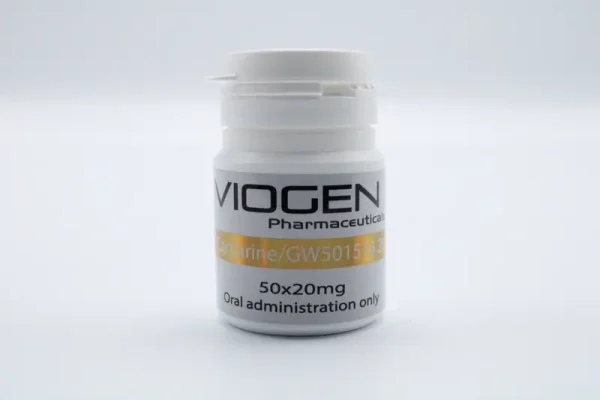
- Product Name: Viogen Cardarine (GW501516)
- Active Ingredient: GW501516 (Cardarine)
- Strength: 20mg per tablet
- Pack Size: 50 tablets
- Dosage Form: Oral tablets
- Category: Experimental PPAR-δ agonist (Research compound)
Products obtained outside regulated pharmaceutical supply chains may vary in authenticity, potency, purity, and manufacturing quality.
What Is Viogen Cardarine (GW501516)?
Viogen Cardarine (GW501516) is marketed as an oral preparation containing GW501516, an experimental compound that activates the PPAR-δ receptor.
General product details:
- Compound: GW501516
- Common Name: Cardarine
- Strength: 20mg per tablet
- Administration: Oral
- Category: Experimental research compound
Unlike anabolic steroids or SARMs, Cardarine does not bind to androgen receptors.
What Is Cardarine (GW501516)?
GW501516 is an experimental PPAR-δ agonist developed during research into treatments for metabolic disease.
Laboratory studies investigated its potential influence on:
- Fat metabolism
- Energy utilization
- Lipid metabolism
- Glucose metabolism
- Exercise performance
However, it has never been approved as a medicine for human use, and its clinical development was halted after animal studies identified a concerning increase in cancer development at tested exposures. (National Cancer Institute)
How Does Cardarine Work?
GW501516 activates PPAR-δ receptors, which play a role in regulating energy metabolism.
Experimental research suggests activation of these receptors may influence:
- Fatty acid oxidation
- Cellular energy production
- Lipid metabolism
- Glucose utilization
Most available evidence comes from laboratory and animal studies rather than established human clinical use.
Medical Status
Cardarine is not approved by major regulatory authorities, including:
- U.S. Food and Drug Administration (FDA)
- European Medicines Agency (EMA)
There are no approved medical indications for GW501516 in humans.
Development was discontinued because of safety concerns observed during preclinical studies.
Cardarine in Fitness and Bodybuilding Discussions
Within fitness communities, Cardarine is commonly discussed in relation to:
- Endurance
- Fat-loss goals
- Exercise performance
- Body recomposition
These uses are experimental and are not supported by regulatory approval or established clinical evidence for safety and effectiveness.
Safety Concerns
One of the primary concerns surrounding GW501516 involves findings from long-term animal studies, where increased rates of multiple types of cancer were observed.
Because of these findings:
- Clinical development was discontinued.
- Human safety has not been established.
- Long-term risks remain unknown.
Animal study findings do not always predict human outcomes directly, but they are considered significant enough that the compound has not been approved for therapeutic use.
Possible Side Effects
Reliable human safety data are limited.
Potential or reported adverse effects may include:
- Headache
- Gastrointestinal discomfort
- Fatigue
- Unknown long-term health effects
Because clinical research in humans is limited, additional adverse effects may not yet be fully understood.
Product Quality Considerations
Research compounds obtained outside regulated pharmaceutical systems may vary in:
- Active ingredient concentration
- Tablet strength
- Purity
- Manufacturing consistency
- Batch quality
Potential concerns include:
- Counterfeit products
- Incorrect labeling
- Contamination
- Variable potency
Independent laboratory analysis may help verify product quality where available.
Storage Recommendations
Tablets should generally be stored:
- At room temperature
- Away from excessive heat and moisture
- In the original packaging
- Out of reach of children
Do not use if:
- Packaging is damaged
- Tablets appear altered
- The product has expired
Frequently Asked Questions
What is Viogen Cardarine (GW501516)?
It is marketed as an oral research compound containing GW501516 (Cardarine) at 20mg per tablet, supplied in a pack of 50 tablets.
Is Cardarine a SARM?
No. Cardarine is not a SARM. It is a PPAR-δ agonist that works through a different biological pathway. (National Cancer Institute)
Is Cardarine approved for medical use?
No. GW501516 has not been approved for human medical use by major regulatory authorities.
Why was Cardarine development stopped?
Development was discontinued because animal studies identified significant safety concerns, including increased cancer development during long-term exposure. (World Anti-Doping Agency)
Is Cardarine allowed in competitive sports?
No. GW501516 is prohibited by the World Anti-Doping Agency (WADA) for athletes subject to anti-doping rules. (World Anti-Doping Agency)
Final Thoughts
Viogen Cardarine (GW501516) 20mg x 50 Tablets is marketed as an experimental PPAR-δ agonist rather than an anabolic steroid or SARM. While it has been studied for its effects on metabolism and endurance, it has never been approved for therapeutic use in humans, and its development was halted due to significant safety concerns identified during preclinical research.
Anyone considering experimental compounds should understand the lack of approved medical uses, the limited human safety data, and the potential risks associated with unapproved substances.
Disclaimer: This article is provided for educational and informational purposes only. It is not medical advice and should not replace consultation with a qualified healthcare professional.
Be the first to review “Viogen Cardarine (GW501516) 20mg x 50 Tabs”
Related products
ANABOLIC ORAL STEROIDS
ANABOLIC ORAL STEROIDS
ANABOLIC ORAL STEROIDS
ANABOLIC ORAL STEROIDS
ANABOLIC ORAL STEROIDS
ANABOLIC ORAL STEROIDS
ANABOLIC ORAL STEROIDS
ANABOLIC ORAL STEROIDS
Reviews
There are no reviews yet.