
Pharmaqo US – LGD-4033 (Ligandrol): Uses, Effects, Side Effects, and Safety Guide
Pharmaqo US – LGD-4033 (Ligandrol)
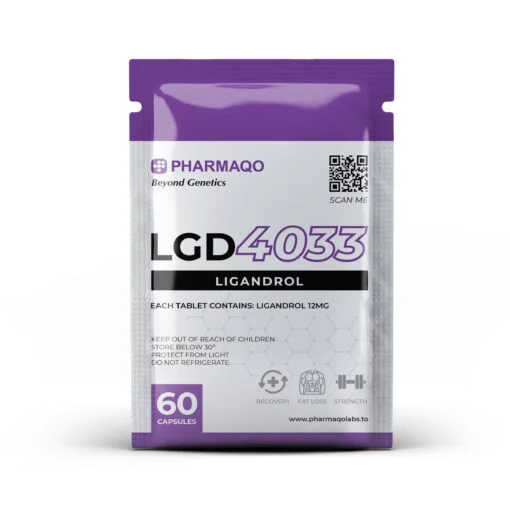
Pharmaqo US – LGD-4033 (Ligandrol) is marketed as an oral product containing LGD-4033, commonly known as Ligandrol or Ligandrol (VK5211). LGD-4033 belongs to a class of investigational compounds known as Selective Androgen Receptor Modulators (SARMs), which were designed to selectively activate androgen receptors in muscle and bone tissue.
General product information:
- Product Name: Pharmaqo US – LGD-4033
- Active Ingredient: LGD-4033 (Ligandrol)
- Common Names: Ligandrol, LGD-4033, VK5211
- Dosage Form: Oral capsules or tablets (depending on product presentation)
- Drug Class: Selective Androgen Receptor Modulator (SARM)
LGD-4033 is an investigational compound and has not been approved by the U.S. Food and Drug Administration (FDA) or most other major regulatory agencies for routine therapeutic use. It is also prohibited in competitive sports by the World Anti-Doping Agency (WADA).
Products obtained outside regulated pharmaceutical supply chains may vary in authenticity, potency, purity, and manufacturing quality.
What Is Pharmaqo US – LGD-4033?
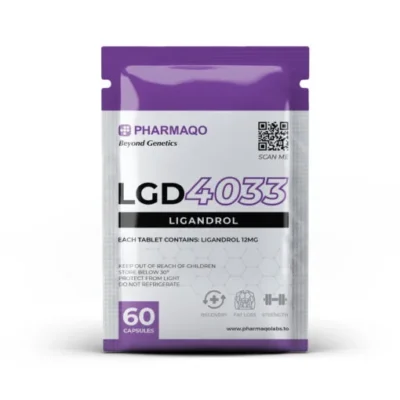
Pharmaqo US – LGD-4033 is marketed as an oral product containing Ligandrol (LGD-4033), an investigational SARM.
General product details:
- Compound: LGD-4033
- Common Name: Ligandrol
- Alternative Research Name: VK5211
- Administration: Oral
Unlike anabolic steroids, Ligandrol was designed to selectively target androgen receptors in muscle and bone while reducing activity in other androgen-sensitive tissues.
What Is Ligandrol (LGD-4033)?
LGD-4033 is a non-steroidal Selective Androgen Receptor Modulator (SARM).
It has been investigated for potential applications involving:
- Muscle wasting disorders
- Age-related loss of muscle mass
- Osteoporosis
- Recovery from serious illness
- Bone health
Although research has shown promising biological activity, LGD-4033 has not received regulatory approval for routine medical treatment.
How Does Ligandrol Work?
Ligandrol selectively binds to androgen receptors located primarily in:
- Skeletal muscle
- Bone tissue
Activation of these receptors may influence:
- Protein synthesis
- Muscle maintenance
- Lean body mass
- Bone metabolism
- Physical function
Unlike anabolic steroids, Ligandrol does not significantly convert into estrogen and is not chemically derived from testosterone.
Medical Background
LGD-4033 has been evaluated in early-stage clinical research as a potential treatment for conditions associated with muscle and bone loss.
Some studies have demonstrated increases in lean body mass, but evidence has not been sufficient for approval as a prescription medication.
Research into SARMs continues, although none are currently approved for routine therapeutic use.
Ligandrol in Fitness and Bodybuilding Discussions
Within bodybuilding and fitness communities, LGD-4033 is commonly discussed because of associations with:
- Lean muscle development
- Strength improvements
- Body recomposition
- Recovery support
These uses are not approved medical indications, and products marketed for these purposes may carry health risks due to their investigational status.
Hormonal Effects
Although Ligandrol was designed to be tissue-selective, it may still influence the endocrine system.
Potential hormonal effects include:
- Suppression of natural testosterone production
- Reduced luteinizing hormone (LH)
- Reduced follicle-stimulating hormone (FSH)
- Hormonal imbalance
- Libido changes
The degree of suppression varies between individuals.
Possible Side Effects
Potential side effects associated with LGD-4033 may include:
- Headache
- Fatigue
- Nausea
- Acne
- Mood changes
- Temporary testosterone suppression
- Changes in liver enzyme levels
- Changes in cholesterol levels
Because Ligandrol remains investigational, its long-term safety profile has not been fully established.
Liver and Cardiovascular Considerations
Some clinical research suggests that SARMs may influence:
- Liver enzyme levels
- HDL (“good”) cholesterol
- LDL (“bad”) cholesterol
- Cardiovascular risk factors
Healthcare professionals may recommend monitoring liver function and lipid levels during clinical research involving investigational androgen receptor modulators.
Product Quality Considerations
Products marketed as LGD-4033 outside regulated pharmaceutical systems may vary in:
- Active ingredient identity
- Concentration
- Purity
- Manufacturing standards
- Batch consistency
Potential concerns include:
- Counterfeit products
- Incorrect labeling
- Contamination
- Inconsistent potency
Independent laboratory verification may help assess product authenticity where available.
Storage Recommendations
Store the product:
- At room temperature
- Away from moisture
- Away from direct sunlight
- In its original packaging
- Out of reach of children
Do not use products if:
- Packaging is damaged
- Contents appear unusual
- The expiry date has passed
Frequently Asked Questions
What is Pharmaqo US – LGD-4033?
It is marketed as an oral product containing LGD-4033 (Ligandrol), an investigational Selective Androgen Receptor Modulator (SARM).
Is Ligandrol a steroid?
No. Ligandrol is not an anabolic steroid. It belongs to the class of compounds known as Selective Androgen Receptor Modulators (SARMs).
Is LGD-4033 approved for medical use?
No. LGD-4033 remains an investigational compound and has not been approved by the FDA or most other major regulatory authorities for routine therapeutic use.
Does Ligandrol convert into estrogen?
No. LGD-4033 is a non-steroidal compound and does not aromatize into estrogen.
Is LGD-4033 a dietary supplement?
No. LGD-4033 is neither an approved dietary supplement nor an approved prescription medicine. Products marketed as Ligandrol are often sold for research purposes and may vary in quality.
Final Thoughts
Pharmaqo US – LGD-4033 (Ligandrol) is marketed as a Selective Androgen Receptor Modulator (SARM) that selectively targets androgen receptors in muscle and bone tissue. Although it has shown potential in early clinical research involving muscle wasting and bone health, it remains an investigational compound without regulatory approval for routine medical use. Individuals should be aware of its experimental status, possible hormonal, liver, and cardiovascular effects, and the importance of obtaining products from reliable sources with appropriate quality standards.
Disclaimer: This article is provided for educational and informational purposes only. It is not medical advice and should not replace consultation with a qualified healthcare professional.
Be the first to review “Pharmaqo US – LGD 4033 (LIGGANDROL)”
Related products
ANABOLIC ORAL STEROIDS
ANABOLIC ORAL STEROIDS
ANABOLIC ORAL STEROIDS
ANABOLIC ORAL STEROIDS
ANABOLIC ORAL STEROIDS
ANABOLIC ORAL STEROIDS
ANABOLIC ORAL STEROIDS
ANABOLIC ORAL STEROIDS
Reviews
There are no reviews yet.