
Pharmaqo BPC-157: Uses, Research, Potential Effects, Side Effects, and Safety Guide
Pharmaqo BPC-157
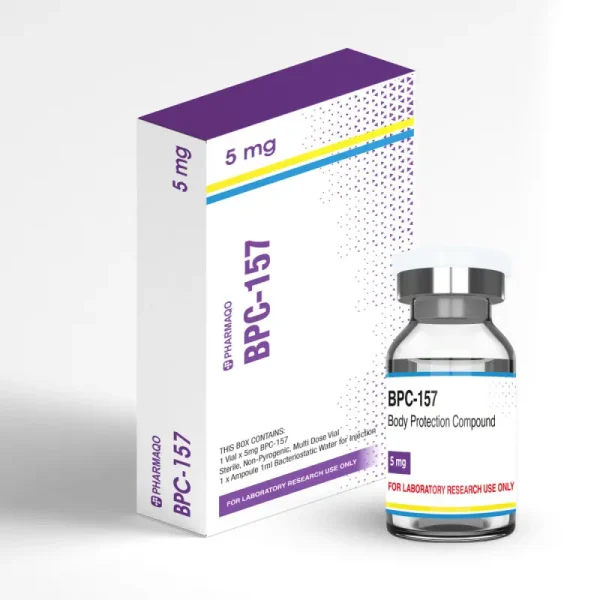
Pharmaqo BPC-157 is marketed as a peptide product containing BPC-157 (Body Protection Compound-157). BPC-157 is a synthetic peptide consisting of 15 amino acids and is derived from a protein found in human gastric juice. Although it has attracted attention in sports and research communities, BPC-157 is not approved as a medicine for human use by major regulatory authorities such as the U.S. FDA or the European Medicines Agency (EMA).
General product information:
- Product Name: Pharmaqo BPC-157
- Active Ingredient: BPC-157 (Body Protection Compound-157)
- Category: Research peptide
- Dosage Form: Varies by manufacturer (commonly lyophilized injectable powder)
- Administration: Intended for research purposes; not approved for routine human medical use
Products obtained outside regulated pharmaceutical supply chains may vary in authenticity, potency, sterility, purity, and manufacturing quality.
What Is Pharmaqo BPC-157?
Pharmaqo BPC-157 is marketed as a peptide containing Body Protection Compound-157, a synthetic fragment of a naturally occurring gastric protein.
General product details:
- Compound: BPC-157
- Peptide Type: Synthetic pentadecapeptide (15 amino acids)
- Category: Experimental research peptide
- Common Name: BPC-157
Unlike approved prescription medicines, BPC-157 remains an investigational compound and has not been approved for treating medical conditions in humans.
What Is BPC-157?
BPC-157 is a laboratory-produced peptide derived from a protective protein naturally present in stomach tissue.
Laboratory and animal studies have explored its potential effects on:
- Tissue repair
- Tendon healing
- Ligament healing
- Muscle recovery
- Gastrointestinal tissues
- Blood vessel formation (angiogenesis)
However, well-designed human clinical trials are limited, and its safety and effectiveness for medical treatment have not been established.
How Does BPC-157 Work?
The exact mechanism of action remains under investigation.
Experimental studies suggest BPC-157 may influence:
- Cell signaling involved in tissue repair
- Formation of new blood vessels (angiogenesis)
- Collagen production
- Inflammatory pathways
- Nitric oxide signaling
Most of this evidence comes from laboratory and animal research rather than large human clinical studies.
Current Medical Status
At present:
- BPC-157 is not approved by the U.S. Food and Drug Administration (FDA) for human therapeutic use.
- It is not approved by the European Medicines Agency (EMA) as a medicine.
- There are no established medical guidelines recommending BPC-157 for routine treatment of injuries or chronic diseases.
Its use in humans remains experimental.
BPC-157 in Fitness and Bodybuilding Discussions
Within bodybuilding and athletic communities, BPC-157 is commonly discussed in relation to:
- Recovery from training
- Tendon support
- Ligament recovery
- Joint health
- Soft tissue healing
These uses are experimental and are not supported by high-quality clinical evidence demonstrating safety or effectiveness in humans.
Potential Risks and Unknowns
Because human research is limited, the long-term safety profile of BPC-157 is not fully understood.
Potential concerns include:
- Unknown long-term effects
- Unknown interactions with medications
- Product contamination from unregulated manufacturers
- Incorrect dosing due to inconsistent product quality
Further research is needed before conclusions about safety or effectiveness can be made.
Possible Side Effects
Published human safety data are limited.
Reported or potential adverse effects may include:
- Injection-site irritation (for injectable products)
- Redness or swelling
- Headache
- Nausea
- Dizziness
Because clinical research is limited, additional side effects may not yet be fully recognized.
Product Quality Considerations
Research peptides obtained outside regulated pharmaceutical systems may vary in:
- Peptide purity
- Active ingredient concentration
- Sterility
- Manufacturing consistency
- Batch quality
Potential concerns include:
- Counterfeit products
- Contamination
- Incorrect labeling
- Variable potency
Whenever possible, products should be obtained from reputable and compliant manufacturers intended for legitimate research purposes.
Storage Recommendations
Lyophilized peptide products should generally be:
- Stored according to the manufacturer’s instructions
- Protected from excessive heat and direct sunlight
- Kept in their original packaging
- Stored out of reach of children
After reconstitution, storage conditions may differ depending on the formulation and manufacturer.
Frequently Asked Questions
What is Pharmaqo BPC-157?
It is marketed as a peptide product containing Body Protection Compound-157 (BPC-157), an investigational synthetic peptide.
Is BPC-157 approved by the FDA?
No. BPC-157 is not approved by the U.S. FDA for human therapeutic use.
Is BPC-157 a steroid?
No. BPC-157 is not an anabolic steroid. It is a synthetic peptide.
Is BPC-157 approved for treating injuries?
No. Although laboratory and animal studies have explored its effects on tissue repair, there is insufficient high-quality human evidence to support its routine medical use for injury treatment.
Is BPC-157 banned in sport?
Yes. The World Anti-Doping Agency (WADA) includes BPC-157 on its list of prohibited substances under the S0 (Non-Approved Substances) category, meaning it is prohibited for athletes subject to anti-doping rules.
Final Thoughts
Pharmaqo BPC-157 is marketed as an investigational peptide that has generated interest because of promising laboratory and animal research involving tissue repair and healing. However, it is not an approved medicine, and its safety, effectiveness, and long-term effects in humans remain uncertain due to the lack of robust clinical trials.
Anyone considering the use of BPC-157 should understand that it remains an experimental compound and should consult a qualified healthcare professional before using any unapproved peptide product.
Disclaimer: This article is provided for educational and informational purposes only. It is not medical advice and should not replace consultation with a qualified healthcare professional.
Be the first to review “Pharmaqo BPC-157”
Related products
Injectable Steroids
Injectable Steroids
Injectable Steroids
Injectable Steroids
Injectable Steroids
Injectable Steroids
Injectable Steroids
Injectable Steroids
Reviews
There are no reviews yet.