

Chlorodehydromethyltestosterone (Turinabol): An Educational Overview
Disclaimer: This article is intended solely for educational and informational purposes. It does not promote, encourage, or endorse the use of anabolic-androgenic steroids without appropriate medical supervision. The information presented is based on established scientific knowledge and historical context.
Introduction
Chlorodehydromethyltestosterone, more commonly known as Turinabol or Tbol, is a synthetic anabolic-androgenic steroid (AAS) derived from testosterone. Developed during the 1960s, Turinabol became known both for its historical medical research and for its later misuse in competitive sports. Although it has been associated with increases in lean muscle mass and physical performance, its use also carries significant health risks and legal implications.
Understanding how Turinabol works, its history, potential effects, and associated risks is important for healthcare professionals, researchers, students, and anyone seeking evidence-based information about anabolic steroids.
What Is Chlorodehydromethyltestosterone?
Chlorodehydromethyltestosterone is a laboratory-developed derivative of testosterone. Chemical modifications to the testosterone molecule were intended to enhance its anabolic (tissue-building) effects while reducing some androgenic (masculinizing) properties.
Unlike natural testosterone, Turinabol is designed for oral administration and remains active after passing through the digestive system. This property makes it different from many injectable anabolic steroids.
Historical Background
Turinabol was first developed in East Germany during the early 1960s. Initially, researchers investigated its potential therapeutic applications for certain medical conditions involving muscle wasting and recovery.
The compound later gained international attention after investigations revealed its widespread misuse within East Germany’s state-sponsored sports doping program. Many athletes unknowingly received anabolic steroids, including Turinabol, to improve athletic performance. This history significantly influenced modern anti-doping policies and testing methods.
Today, Turinabol has limited or no approved medical use in many countries and is prohibited in competitive sports.
Chemical Properties
Turinabol belongs to the anabolic-androgenic steroid family and is chemically related to testosterone. A chlorine atom added to the molecule changes how it interacts with the body.
One notable characteristic is that chlorodehydromethyltestosterone generally does not aromatize, meaning it is not readily converted into estrogen. This distinguishes it from some other anabolic steroids that may produce estrogen-related effects such as significant water retention.
How It Works
Turinabol exerts its effects primarily by binding to androgen receptors located throughout the body. These receptors influence numerous biological processes related to muscle growth, metabolism, and tissue repair.
Research suggests that activation of androgen receptors may contribute to:
- Increased protein synthesis
- Improved nitrogen retention
- Enhanced red blood cell production
- Support for muscle tissue maintenance
- Improved recovery following physical stress
These physiological changes explain why anabolic steroids have historically attracted interest for both medical research and athletic misuse.
Potential Physiological Effects
Lean Muscle Development
Turinabol has historically been associated with gradual increases in lean body mass rather than rapid weight gain caused by water retention. Because it generally does not convert into estrogen, gains reported by users have often been described as relatively “dry.”
Strength
Research involving anabolic steroids has demonstrated that increased protein synthesis and muscle development may contribute to improvements in muscular strength when combined with resistance training.
Recovery
Some studies suggest anabolic steroids may influence recovery by increasing protein turnover and supporting tissue repair. Recovery, however, depends on many factors, including nutrition, sleep, overall health, and training practices.
Red Blood Cell Production
Like several anabolic steroids, Turinabol may stimulate erythropoiesis (red blood cell production). Increased red blood cell levels may improve oxygen transport, although excessive increases can also raise health concerns.
Historical Medical Research
Historically, chlorodehydromethyltestosterone was investigated for conditions associated with muscle loss and recovery from illness. As medical science progressed, newer therapies with more favorable safety profiles became available, reducing the role of Turinabol in clinical practice.
Today, its use is primarily discussed within the context of pharmacology, endocrinology, toxicology, and anti-doping education.
Potential Health Risks
Like all anabolic-androgenic steroids, Turinabol may produce adverse effects. Risk depends on numerous factors, including individual susceptibility, dose, duration of exposure, and underlying medical conditions.
Liver Effects
Because Turinabol is orally active, it undergoes processing by the liver. Oral anabolic steroids may place additional stress on liver tissue.
Potential concerns include:
- Elevated liver enzymes
- Liver inflammation
- Rare but serious liver injury with prolonged misuse
Healthcare professionals may recommend liver function testing when medically supervising patients receiving hormone-related therapies.
Cardiovascular Effects
Scientific research has shown that anabolic steroids may influence cardiovascular health.
Potential changes include:
- Increased low-density lipoprotein (LDL) cholesterol
- Reduced high-density lipoprotein (HDL) cholesterol
- Elevated blood pressure
- Increased cardiovascular risk in susceptible individuals
Maintaining cardiovascular health remains an important consideration for anyone prescribed hormone-related medications.
Hormonal Effects
External anabolic steroids may suppress the body’s natural testosterone production through negative feedback mechanisms involving the hypothalamic-pituitary-gonadal axis.
Possible consequences include:
- Reduced natural testosterone production
- Fatigue
- Decreased libido
- Temporary infertility
- Hormonal imbalance
Recovery varies considerably between individuals and depends on many biological factors.
Skin and Hair
Some individuals may experience androgen-related skin changes.
Possible effects include:
- Acne
- Increased oil production
- Hair thinning in genetically susceptible individuals
Not everyone experiences these changes, and individual susceptibility differs considerably.
Psychological Considerations
Mood and behavior may also be affected.
Some individuals have reported:
- Irritability
- Mood fluctuations
- Increased aggression
- Anxiety
Scientific studies indicate that psychological responses to anabolic steroids vary widely among individuals.
Considerations for Women
Women are generally more sensitive to androgenic compounds.
Possible masculinizing (virilizing) effects include:
- Deepening of the voice
- Menstrual irregularities
- Increased body hair
- Enlargement of the clitoris
Some of these changes may become permanent, emphasizing the importance of medical guidance before initiating hormone-related treatments.
Adolescents and Young Adults
Because anabolic steroids may interfere with normal hormonal development, they are generally not appropriate for adolescents except in carefully supervised medical circumstances.
Potential concerns include:
- Disruption of normal hormone production
- Effects on growth and development
- Psychological impacts
Healthcare providers carefully evaluate risks and benefits before prescribing hormone-related medications to younger patients.
Anti-Doping Regulations
Turinabol is prohibited by the World Anti-Doping Agency (WADA) and many national sporting organizations.
Advances in analytical chemistry have enabled laboratories to detect Turinabol metabolites long after exposure. Athletes who test positive may face consequences including suspension, disqualification, loss of titles, or other disciplinary measures.
The prohibition reflects concerns regarding fairness in competition and athlete health.
Legal Status
The legal status of chlorodehydromethyltestosterone varies across jurisdictions.
Depending on national laws, it may be:
- Available only by prescription
- Classified as a controlled substance
- Restricted to research settings
- Illegal to possess or distribute without authorization
Individuals should always familiarize themselves with applicable local laws before obtaining or possessing hormone-related medications.
Medical Supervision
When hormone-related medications are prescribed for legitimate medical purposes, healthcare professionals may recommend ongoing monitoring, including:
- Blood pressure measurement
- Liver function tests
- Lipid profile assessment
- Hormone evaluation
- General health examinations
Regular monitoring allows potential complications to be identified and addressed promptly.
Storage and Handling
Medicines should always be stored according to the manufacturer’s instructions.
General recommendations include:
- Store in a cool, dry location.
- Protect from excessive heat and direct sunlight.
- Keep in the original packaging when possible.
- Keep out of reach of children and pets.
- Do not use products beyond their expiration date.
Unused or expired medicines should be disposed of according to local pharmaceutical disposal guidelines.
Frequently Asked Questions
What is chlorodehydromethyltestosterone?
Chlorodehydromethyltestosterone, commonly known as Turinabol, is a synthetic anabolic-androgenic steroid derived from testosterone.
Why is Turinabol well known?
It became widely recognized due to its historical use in East Germany’s state-sponsored sports doping program and its subsequent role in shaping modern anti-doping regulations.
Does Turinabol convert into estrogen?
Turinabol is generally considered non-aromatizing, meaning it is not readily converted into estrogen within the body.
What are the primary health concerns?
Potential concerns include liver toxicity, cardiovascular effects, hormonal suppression, psychological changes, and androgenic side effects.
Is Turinabol permitted in competitive sports?
No. It is prohibited by the World Anti-Doping Agency and most major sporting organizations.
Can women experience different side effects?
Yes. Women are more susceptible to virilizing effects, some of which may become irreversible.
Is medical supervision important?
Yes. Hormone-related therapies should only be undertaken under the supervision of a qualified healthcare professional, with appropriate monitoring where indicated.
Conclusion
Chlorodehydromethyltestosterone (Turinabol) is a synthetic anabolic-androgenic steroid with a complex history spanning medical research, sports, and endocrinology. While research has shown that it can influence protein synthesis, muscle maintenance, and physical performance, these effects are accompanied by meaningful health risks, including liver toxicity, cardiovascular changes, hormonal suppression, and psychological effects.
Its historical misuse in competitive athletics contributed to the development of modern anti-doping policies and sophisticated laboratory testing methods. Today, Turinabol serves as an important example in discussions of sports ethics, pharmacology, and public health.
Anyone seeking information about anabolic steroids should rely on evidence-based medical resources and consult qualified healthcare professionals for guidance. Decisions regarding hormone-related treatments should always be based on individual medical evaluation, current clinical evidence, and applicable legal and regulatory requirements.
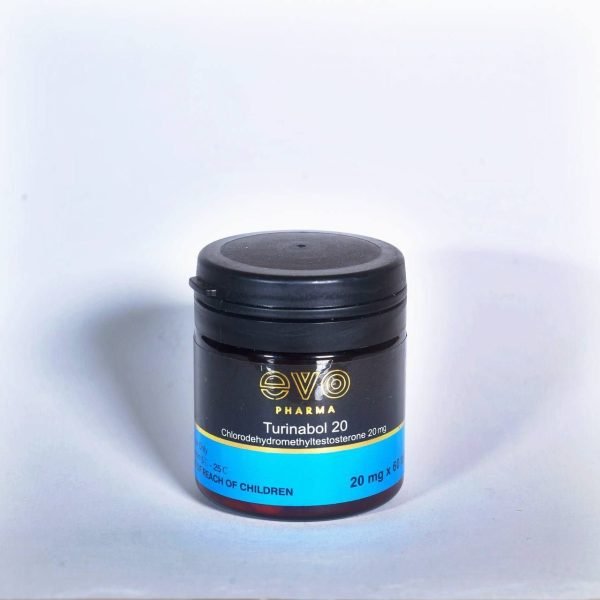
Be the first to review “Evo Pharma Turinabol 20mg X 60 Tabs”
Related products
Injectable Steroids
Injectable Steroids
Injectable Steroids
Injectable Steroids
Injectable Steroids
Injectable Steroids

Injectable Steroids
Injectable Steroids
Reviews
There are no reviews yet.