

ZPHC IGF-1 L3 + Bacteriostatic Water: Educational Overview, Science, Research, and Safety Information
Introduction to IGF-1 LR3
ZPHC IGF-1 LR3 is associated with Insulin-Like Growth Factor-1 Long R3 (IGF-1 LR3), a modified version of the naturally occurring hormone Insulin-Like Growth Factor-1 (IGF-1).
IGF-1 is a peptide hormone involved in human growth, development, metabolism, and cellular processes. It plays an important role in the growth hormone (GH) and IGF-1 signalling pathway, which regulates many biological functions throughout the body.
IGF-1 LR3 has been studied in scientific research because of its altered structure compared with naturally occurring IGF-1, which affects how it interacts with IGF-related pathways.
This educational overview explains the scientific background, biological role, research history, and potential health considerations associated with IGF-1 LR3.
What Is IGF-1 LR3?
IGF-1 LR3 (Long R3 IGF-1) is a synthetic analogue of human IGF-1.
It contains structural modifications designed to change characteristics such as:
- Binding behaviour
- Stability
- Interaction with IGF-binding proteins
IGF-1 is naturally produced mainly in the liver in response to growth hormone stimulation and plays roles in:
- Cell growth regulation
- Tissue development
- Metabolic activity
- Recovery and repair processes
Understanding ZPHC IGF-1 L3 + Bacteriostatic Water
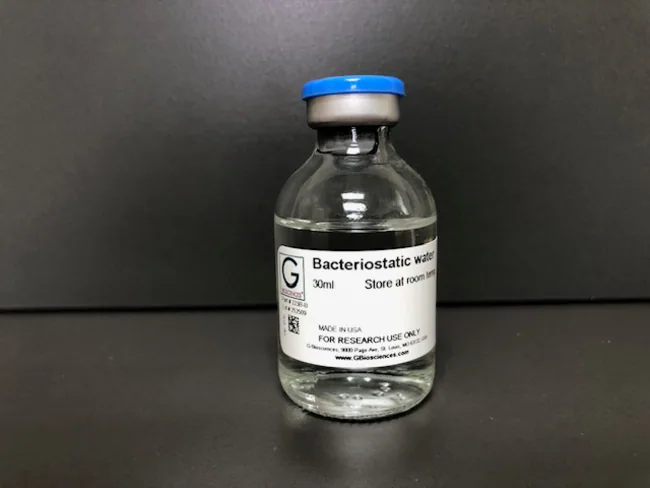
The product name ZPHC IGF-1 L3 + Bacteriostatic Water refers to a product associated with IGF-1 LR3 supplied alongside bacteriostatic water.
General product information:
- Active compound: Insulin-Like Growth Factor-1 Long R3 (IGF-1 LR3)
- Category: Peptide hormone analogue
- Form: Laboratory/research peptide preparation
- Included component: Bacteriostatic water for reconstitution purposes
Products marketed outside regulated pharmaceutical systems may vary in:
- Manufacturing standards
- Purity verification
- Sterility controls
- Quality assurance procedures
A product label alone does not independently confirm authenticity, pharmaceutical quality, or suitability for medical use.
The Biological Role of IGF-1
IGF-1 is part of the growth hormone–IGF-1 axis, a complex hormonal system involved in regulating growth and metabolism.
IGF-1 signalling influences:
- Cell development
- Protein synthesis processes
- Tissue maintenance
- Bone growth
- Metabolic regulation
The activity of IGF-1 is controlled by various factors, including:
- Growth hormone levels
- Nutrition
- Age
- Genetics
- Overall health status
History and Scientific Research of IGF-1
IGF-1 has been studied for decades due to its important role in human growth and development.
Research areas involving IGF-1 include:
- Growth disorders
- Endocrine conditions
- Muscle and tissue biology
- Cellular signalling pathways
Synthetic IGF-1 analogues such as IGF-1 LR3 have been investigated in laboratory and scientific contexts to better understand IGF-related biological mechanisms.
How IGF-1 Relates to the Body
IGF-1 works by interacting with IGF-1 receptors, which are found in many tissues.
These receptors are involved in signalling pathways related to:
- Cell growth
- Cell survival
- Tissue development
- Metabolism
Because IGF signalling affects many tissues, changes in this pathway may have widespread biological effects.
Potential Health Considerations
Understanding possible health effects is an important part of education about hormone-related compounds.
Blood Sugar and Metabolic Effects
IGF-related pathways interact with insulin and glucose metabolism.
Potential considerations include:
- Changes in glucose regulation
- Altered insulin sensitivity
- Effects on metabolic balance
Growth and Cell Regulation
IGF-1 signalling influences cell activity throughout the body.
Because growth pathways are complex, researchers continue studying how changes in IGF signalling may affect:
- Tissue development
- Cellular activity
- Long-term biological processes
Hormonal System Considerations
The growth hormone–IGF-1 pathway is closely regulated by the endocrine system.
Changes in this pathway may influence:
- Natural hormone balance
- Feedback mechanisms
- Overall endocrine function
Product Quality and Sterility Considerations
Peptide preparations may involve additional considerations, including:
- Storage requirements
- Sterility controls
- Manufacturing quality
- Product verification
Research compounds obtained outside regulated medical channels may not follow the same standards as approved medicines.
IGF-1 LR3 and Sports Regulations
Growth-factor-related substances may be restricted or prohibited in competitive sports.
Athletes participating in regulated competitions should understand that certain hormone-related substances may result in:
- Anti-doping violations
- Competition restrictions
- Sporting penalties
Anti-doping organisations monitor substances that may influence performance or recovery pathways.
Importance of Medical Awareness
Hormone-related compounds require careful consideration because they interact with complex biological systems.
Healthcare professionals can provide information related to:
- Endocrine health
- Hormone testing
- Medical history
- Potential risks
- Treatment options where appropriate
Professional medical guidance is important when discussing substances that affect hormonal pathways.
Frequently Asked Questions (FAQ)
What is IGF-1 LR3?
IGF-1 LR3 is a modified synthetic analogue of Insulin-Like Growth Factor-1 studied for its interaction with IGF-related biological pathways.
Is IGF-1 the same as growth hormone?
No. Growth hormone and IGF-1 are different hormones, but they are connected through the growth hormone–IGF-1 signalling pathway.
What is bacteriostatic water?
Bacteriostatic water is sterile water containing a preservative that is used in some medical and research settings for preparing certain injectable products.
Is IGF-1 LR3 approved as a general medicine?
IGF-related therapies have specific medical applications, but research analogues such as IGF-1 LR3 are not generally approved as routine human treatments.
Are peptide hormones risk-free?
No. Peptide hormones can influence complex biological systems and may have potential effects on metabolism, hormone balance, and other body functions.
Conclusion
ZPHC IGF-1 LR3 + Bacteriostatic Water is associated with a synthetic IGF-1 analogue studied within the fields of endocrinology, cellular biology, and hormone research.
Understanding the biological role of IGF-1, its relationship with growth hormone pathways, research history, and potential health considerations is essential for informed education. Professional medical guidance remains important when discussing compounds that influence hormonal systems.
Be the first to review “ZPHC IGF-1 L3 + Bacteriostatic Water”
Related products
Injectable Steroids
Injectable Steroids

Injectable Steroids

Injectable Steroids

Injectable Steroids
Injectable Steroids
Injectable Steroids

Injectable Steroids
Reviews
There are no reviews yet.