
Pharmaqo TB-500: Uses, Effects, Side Effects, and Safety Guide
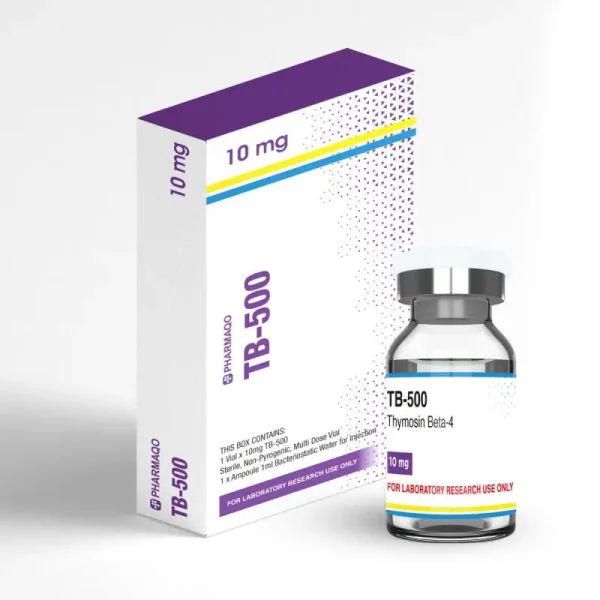
Pharmaqo TB-500 (Thymosin Beta-4 Fragment)
Pharmaqo TB-500 is marketed as an injectable research peptide related to Thymosin Beta-4 (TB-4), a naturally occurring peptide involved in cellular repair, tissue regeneration, and wound-healing processes. TB-500 is a synthetic peptide fragment designed to replicate some biological activities associated with thymosin beta-4.
TB-500 is commonly discussed in research and fitness communities for potential effects related to recovery, tissue repair, and inflammation pathways. However, it is not an approved medication for human use, and its safety and effectiveness for athletic performance or injury recovery have not been established through large-scale clinical trials.
General product information:
- Product Name: Pharmaqo TB-500
- Active Compound: TB-500 (Thymosin Beta-4 related peptide)
- Compound Type: Research peptide
- Dosage Form: Injectable peptide
- Category: Investigational biological compound
Products obtained outside regulated pharmaceutical supply chains may vary in authenticity, purity, sterility, and manufacturing quality.
What Is Pharmaqo TB-500?
Pharmaqo TB-500 is marketed as an injectable peptide product associated with Thymosin Beta-4 research.
General product details:
- Compound: TB-500
- Related Molecule: Thymosin Beta-4 (TB-4)
- Class: Synthetic peptide
- Administration: Injectable research compound
TB-500 is not a steroid, SARM, or traditional hormone. It belongs to the category of experimental peptides that influence biological signaling pathways involved in repair and regeneration.
What Is Thymosin Beta-4?
Thymosin Beta-4 (TB-4) is a naturally occurring peptide found in many tissues throughout the body.
It plays roles in:
- Cell migration
- Blood vessel formation (angiogenesis)
- Tissue repair
- Wound healing
- Actin regulation within cells
Actin is an important structural protein involved in cell movement and tissue remodeling.
How Does TB-500 Work?
TB-500 is believed to influence several biological pathways associated with tissue recovery.
Research into thymosin beta-4 suggests involvement in:
- Cell movement toward areas of injury
- Formation of new blood vessels
- Tissue remodeling
- Regulation of inflammatory responses
These mechanisms have generated interest in regenerative medicine research, although clinical applications remain limited.
Medical Research Background
Thymosin Beta-4 has been studied in experimental research involving:
- Wound healing
- Heart tissue repair
- Muscle injury recovery
- Eye and corneal repair
- Inflammatory conditions
However, TB-500 is not an approved therapy for treating injuries, improving athletic performance, or enhancing recovery in humans.
TB-500 in Fitness and Sports Discussions
Within fitness communities, TB-500 is commonly discussed for potential support of:
- Recovery after training
- Soft tissue repair
- Flexibility and mobility
- Injury management
These uses are based largely on anecdotal reports and experimental discussions rather than approved medical evidence.
Potential Effects Discussed by Users
Reported or discussed effects may include:
- Faster perceived recovery
- Support for connective tissue repair
- Reduced discomfort associated with training injuries
- Improved mobility
Individual experiences vary, and scientific evidence supporting these effects in humans remains limited.
Possible Side Effects and Safety Concerns
Because TB-500 is an investigational peptide, complete long-term safety information is unavailable.
Potential concerns may include:
- Injection-site reactions
- Allergic reactions
- Unknown long-term effects
- Effects on abnormal cell growth pathways
- Product contamination risks
Since thymosin beta-4 is involved in processes such as cell migration and blood vessel formation, researchers continue to investigate its broader biological effects.
Injection-Related Considerations
Injectable peptide products may involve risks including:
- Injection-site irritation
- Redness
- Swelling
- Pain
- Infection if sterility is compromised
Products obtained from unregulated sources may carry additional risks due to uncertain manufacturing standards.
Product Quality Considerations
Research peptides obtained outside regulated pharmaceutical systems may vary in:
- Purity
- Peptide concentration
- Sterility
- Manufacturing consistency
- Storage conditions
Potential concerns include:
- Counterfeit products
- Incorrect labeling
- Contamination
- Reduced activity due to improper storage
Independent laboratory testing may help verify product quality where available.
Storage Recommendations
Peptide products should generally be stored according to manufacturer instructions.
Common considerations include:
- Protection from heat and light
- Proper storage conditions
- Maintaining product integrity
- Keeping away from children
Do not use products that:
- Have damaged packaging
- Appear contaminated
- Have expired
Frequently Asked Questions
What is Pharmaqo TB-500?
It is marketed as an injectable research peptide related to Thymosin Beta-4.
Is TB-500 a steroid?
No. TB-500 is a peptide compound, not an anabolic steroid.
Is TB-500 the same as Thymosin Beta-4?
TB-500 is a synthetic peptide associated with research into the biological activities of thymosin beta-4, but it is not identical to the naturally occurring full-length peptide.
Is TB-500 approved for medical treatment?
No. TB-500 is not approved as a prescription medicine for injury recovery, muscle growth, or athletic performance.
Does TB-500 build muscle?
TB-500 is not an anabolic steroid and does not directly stimulate muscle growth through androgen receptors. Research focuses mainly on tissue repair and cellular signaling.
Final Thoughts
Pharmaqo TB-500 is marketed as an experimental peptide associated with Thymosin Beta-4-related research. While thymosin beta-4 plays important roles in cellular repair, tissue remodeling, and regeneration pathways, TB-500 remains an investigational compound without approved medical use for sports recovery or performance enhancement.
Understanding the current scientific evidence, limitations, and potential risks is important when evaluating experimental peptides.
Disclaimer: This article is provided for educational and informational purposes only. It is not medical advice and should not replace consultation with a qualified healthcare professional.
Be the first to review “Pharmaqo TB-500”
Related products
Injectable Steroids
Injectable Steroids
Injectable Steroids
Injectable Steroids
Injectable Steroids
Injectable Steroids
Injectable Steroids
Injectable Steroids
Reviews
There are no reviews yet.