


ZPHC Trestolone Acetate (MENT) 50mg: Educational Overview, History, Risks, and Safety Information
Introduction to Trestolone Acetate (MENT)
ZPHC Trestolone Acetate (MENT) 50mg is associated with Trestolone Acetate, also known as MENT (7α-methyl-19-nortestosterone), a synthetic androgenic-anabolic steroid compound that has been investigated in scientific research, particularly in the field of hormone biology and male reproductive health.
Trestolone is part of the 19-nortestosterone family of compounds and has been studied because of its strong interaction with androgen and progesterone receptors.
This educational overview explains the scientific background, history, biological activity, and potential health considerations related to Trestolone Acetate.
What Is Trestolone Acetate (MENT)?
Trestolone Acetate is an esterified form of trestolone, a synthetic steroid hormone analogue.
The acetate ester modifies the chemical characteristics of trestolone, including its release properties and behaviour within the body.
Trestolone interacts with hormone receptors, including:
- Androgen receptors
- Progesterone receptors
These receptors are involved in important biological processes such as:
- Hormonal regulation
- Reproductive function
- Tissue development
- Metabolic activity
Understanding ZPHC Trestolone Acetate (MENT) 50mg
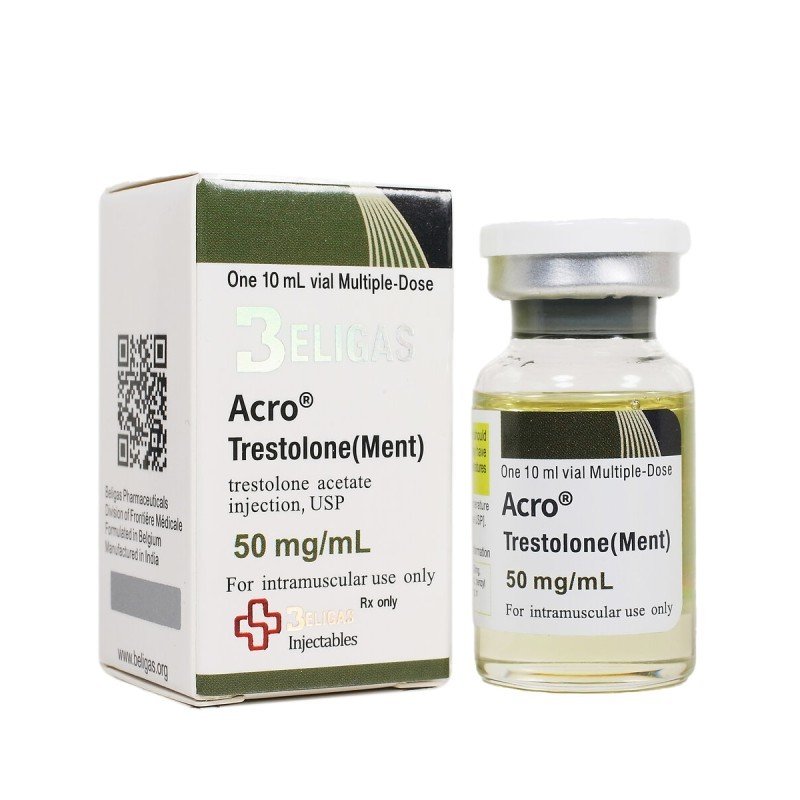
The product name ZPHC Trestolone Acetate (MENT) 50mg refers to a product associated with Trestolone Acetate.
General product information:
- Active compound: Trestolone Acetate (MENT)
- Common abbreviation: MENT
- Form: Injectable preparation
- Presentation: 10ml vial
- Strength: 50mg/ml
- Category: Synthetic androgenic-anabolic compound
Products marketed outside regulated pharmaceutical systems may vary in:
- Manufacturing standards
- Ingredient accuracy
- Sterility controls
- Quality assurance procedures
A product label alone does not independently confirm authenticity, pharmaceutical quality, or safety.
History of Trestolone (MENT)
Trestolone was originally developed as a synthetic steroid compound and later became the subject of research focused on hormonal medicine.
Scientific interest in MENT has included investigations into:
- Male hormonal regulation
- Testosterone replacement research
- Male contraception research
- Androgen receptor activity
Unlike some established testosterone therapies, trestolone has remained primarily a research compound and is not widely approved as a general human medicine.
How Trestolone Relates to the Body
Trestolone works by interacting with hormone receptors, particularly androgen receptors.
Androgen signalling is involved in biological processes including:
- Muscle and bone maintenance
- Hormonal balance
- Sexual development
- Reproductive system function
Because hormone receptors exist throughout the body, compounds affecting these pathways may influence multiple physiological systems.
Individual responses can vary depending on genetics, age, health status, and other biological factors.
Potential Health Considerations
Understanding possible health effects is an important part of education about hormone-related compounds.
Hormonal Effects
Synthetic androgenic compounds may affect the body’s natural hormone regulation.
Possible considerations include:
- Changes in natural hormone production
- Alterations in endocrine function
- Effects on reproductive hormone balance
The endocrine system plays a central role in maintaining normal body functions.
Cardiovascular Health Considerations
Androgenic compounds may influence certain cardiovascular markers.
Potential considerations include:
- Changes in cholesterol levels
- Blood pressure effects
- Individual cardiovascular risk factors
Cardiovascular health depends on many factors, including genetics, lifestyle, and existing medical conditions.
Reproductive Health Considerations
Because trestolone interacts with hormonal pathways, research has examined its potential effects on reproductive function.
Possible considerations include:
- Changes in fertility-related hormones
- Alterations in reproductive signalling
- Effects on natural hormone production
Psychological Considerations
Hormonal changes may influence psychological wellbeing.
Possible considerations include:
- Mood changes
- Emotional fluctuations
- Differences in individual response
Responses to hormone-active compounds vary significantly between individuals.
Injection-Related Considerations
Injectable hormone-related products may involve additional considerations, including:
- Sterility concerns
- Contamination risks
- Manufacturing quality issues
Products obtained outside regulated medical systems may not follow the same quality controls as approved medicines.
Trestolone and Research Applications
Trestolone has been studied primarily in scientific research settings, particularly regarding:
- Androgen replacement concepts
- Male contraceptive research
- Hormonal regulation studies
Research continues to examine how selective hormone compounds may influence the endocrine system.
Sports Regulations
Synthetic anabolic-androgenic compounds may be restricted or prohibited in competitive sports.
Athletes participating in regulated competitions should be aware that use of prohibited hormone-related substances may result in:
- Anti-doping violations
- Competition restrictions
- Sporting penalties
Anti-doping organisations monitor prohibited substances to maintain fair competition.
Importance of Medical Awareness
Compounds that influence hormone systems require careful consideration.
Healthcare professionals can provide information related to:
- Hormonal health evaluation
- Medical history
- Laboratory testing
- Potential health concerns
- Medication interactions
Professional medical guidance is important when discussing substances that affect endocrine function.
Frequently Asked Questions (FAQ)
What is ZPHC Trestolone Acetate (MENT) 50mg?
ZPHC Trestolone Acetate (MENT) 50mg is associated with Trestolone Acetate, a synthetic androgenic compound studied in hormone research.
What does MENT stand for?
MENT stands for 7α-methyl-19-nortestosterone, the scientific name associated with trestolone.
Is Trestolone the same as testosterone?
No. Trestolone is a synthetic hormone analogue related to the 19-nortestosterone family and has different chemical characteristics from testosterone.
Is Trestolone approved as a general human medicine?
Trestolone has mainly been studied in research settings and is not widely approved as a general human medicine.
Are synthetic androgenic compounds risk-free?
No. Hormone-active compounds may affect endocrine function, cardiovascular health, reproductive health, and other body systems.
Conclusion
ZPHC Trestolone Acetate (MENT) 50mg (50mg/ml, 10ml vial) is associated with Trestolone Acetate, a synthetic androgenic compound studied within the fields of hormone science, reproductive research, and endocrine biology.
Understanding the scientific background, research history, regulatory status, and potential health considerations surrounding hormone-active compounds is essential for informed education. Professional medical guidance remains important when discussing substances that influence the body’s hormonal systems.
Be the first to review “ZPHC Trestolone Acetate (MENT) 50mg 50mg/ml, 10 ml vial”
Related products

Injectable Steroids
Injectable Steroids

Injectable Steroids

Injectable Steroids

Injectable Steroids

Injectable Steroids
Injectable Steroids

Injectable Steroids
Reviews
There are no reviews yet.