
Pharmaqo IGF-1 DES 1-3: Uses, Effects, Side Effects, and Safety Guide
Pharmaqo IGF-1 DES 1-3 (Insulin-Like Growth Factor-1 DES)
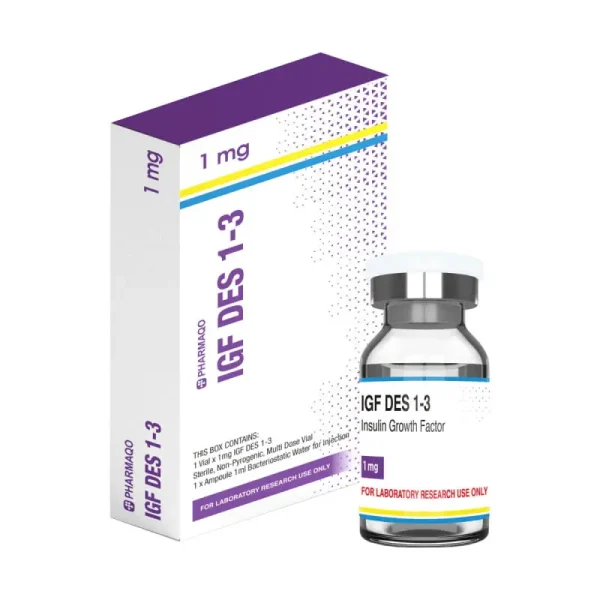
Pharmaqo IGF-1 DES 1-3 is marketed as a research peptide containing IGF-1 DES (1-3), a modified form of Insulin-Like Growth Factor-1 (IGF-1). IGF-1 is a naturally occurring hormone involved in growth, cell development, and tissue repair. IGF-1 DES 1-3 is a synthetic analogue studied mainly in laboratory research due to its altered activity and interaction with IGF-related pathways.
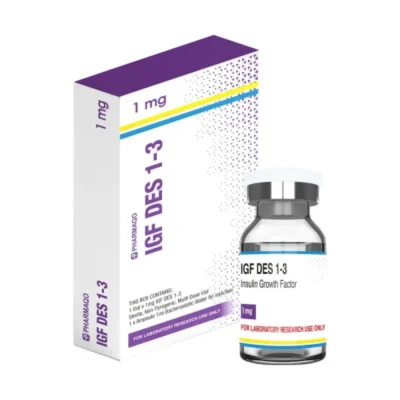
IGF-1 DES 1-3 is not an approved medication for muscle growth, bodybuilding, or athletic performance enhancement. Its use outside regulated medical or research environments carries potential health risks.
General product information:
- Product Name: Pharmaqo IGF-1 DES 1-3
- Active Compound: IGF-1 DES (1-3)
- Compound Type: Growth factor peptide
- Dosage Form: Injectable research peptide
- Category: Investigational biological compound
Products obtained outside regulated pharmaceutical supply chains may vary in authenticity, purity, sterility, and manufacturing quality.
What Is Pharmaqo IGF-1 DES 1-3?
Pharmaqo IGF-1 DES 1-3 is marketed as a peptide product containing a modified version of insulin-like growth factor-1.
General product details:
- Compound: IGF-1 DES (1-3)
- Full Name: Insulin-Like Growth Factor-1 Des(1-3)
- Class: Growth factor peptide
- Administration: Injectable research compound
IGF-1 DES 1-3 differs from naturally occurring IGF-1 because it has a shortened amino acid sequence, which may influence how it interacts with IGF-binding proteins.
What Is IGF-1 DES (1-3)?
IGF-1 DES (1-3) is a modified analogue of human IGF-1.
IGF-1 is naturally produced mainly in the liver after stimulation by growth hormone (GH). It plays important roles in:
- Cell growth
- Tissue development
- Muscle protein synthesis
- Bone metabolism
- Cellular repair processes
The DES (1-3) modification removes three amino acids from the IGF-1 molecule, creating a form with altered biological activity.
How Does IGF-1 DES 1-3 Work?
IGF-1 DES 1-3 interacts with IGF-1 receptors (IGF-1R) found throughout the body.
Activation of IGF pathways may influence:
- Cell growth signaling
- Protein synthesis
- Muscle tissue development
- Recovery processes
- Cellular regeneration
Because IGF pathways affect many tissues, altering them may have effects beyond muscle tissue.
Medical Research Background
IGF-1-related therapies have been studied for conditions involving:
- Growth hormone disorders
- Growth failure
- Muscle wasting conditions
- Certain metabolic disorders
A medically approved recombinant IGF-1 therapy exists for specific pediatric growth disorders under strict medical supervision. However, IGF-1 DES 1-3 itself is not an approved human treatment.
IGF-1 DES 1-3 in Fitness and Bodybuilding Discussions
Within bodybuilding and performance communities, IGF-1 DES 1-3 is often discussed in relation to:
- Muscle growth signaling
- Recovery support
- Training adaptation
- Local muscle development theories
These applications are not approved medical uses and are not supported by sufficient clinical evidence for athletic enhancement.
Potential Biological Effects
Research and discussions around IGF-1 pathways include possible effects on:
- Increased anabolic signaling
- Cellular growth activity
- Muscle repair processes
- Tissue development
However, responses can vary, and the long-term effects of manipulating IGF pathways remain uncertain.
Possible Side Effects and Safety Concerns
Because IGF-1 DES 1-3 is an investigational peptide, complete safety information is limited.
Potential concerns associated with increased IGF-1 activity may include:
- Low blood sugar (hypoglycemia)
- Changes in insulin sensitivity
- Fluid retention
- Joint discomfort
- Numbness or tingling sensations
- Abnormal tissue growth
- Potential effects on existing tumors
IGF-1 is involved in cellular growth pathways, meaning excessive stimulation may theoretically influence abnormal cell growth.
Metabolic Considerations
IGF-1 interacts closely with insulin and glucose regulation.
Potential considerations include:
- Changes in blood glucose levels
- Altered insulin sensitivity
- Increased risk of hypoglycemic episodes
Individuals with metabolic conditions should seek professional medical advice before using compounds affecting growth factor pathways.
Injection-Related Considerations
Injectable peptide products may involve risks including:
- Injection-site irritation
- Pain
- Swelling
- Infection risk
- Sterility concerns
Products from unregulated sources may carry additional risks related to contamination and incorrect labeling.
Product Quality Considerations
Research peptides obtained outside regulated pharmaceutical systems may vary in:
- Purity
- Sterility
- Peptide concentration
- Manufacturing standards
- Batch consistency
Potential concerns include:
- Counterfeit products
- Contaminated products
- Incorrect dosage labeling
- Degraded peptides due to poor storage
Independent laboratory testing may help verify product quality where available.
Storage Recommendations
Peptide products generally require careful storage.
Common recommendations include:
- Store according to manufacturer instructions
- Protect from heat and direct sunlight
- Maintain appropriate refrigeration requirements if specified
- Keep away from children
Do not use products that:
- Have damaged packaging
- Appear contaminated
- Have expired
Frequently Asked Questions
What is Pharmaqo IGF-1 DES 1-3?
It is marketed as a research peptide containing IGF-1 DES (1-3), a modified form of insulin-like growth factor-1.
Is IGF-1 DES 1-3 a steroid?
No. IGF-1 DES 1-3 is a peptide growth factor, not an anabolic steroid.
Is IGF-1 DES 1-3 the same as growth hormone?
No. Growth hormone (GH) stimulates the production of IGF-1, while IGF-1 is a separate hormone involved in growth and cellular signaling.
Is IGF-1 DES 1-3 approved for bodybuilding?
No. IGF-1 DES 1-3 is not approved as a bodybuilding or performance-enhancing treatment.
What is IGF-1 responsible for?
IGF-1 plays roles in:
- Growth and development
- Muscle metabolism
- Bone health
- Cellular repair signaling
Final Thoughts
Pharmaqo IGF-1 DES 1-3 is marketed as an investigational peptide based on a modified form of Insulin-Like Growth Factor-1. While IGF-1 plays important roles in human growth and tissue development, IGF-1 DES 1-3 is not an approved medicine for muscle enhancement or athletic performance.
Because IGF pathways influence many biological processes, including cellular growth and metabolism, careful consideration of potential risks and professional medical guidance are important.
Disclaimer: This article is provided for educational and informational purposes only. It is not medical advice and should not replace consultation with a qualified healthcare professional.
Be the first to review “Pharmaqo IGF1-DES 1-3”
Related products
Injectable Steroids
Injectable Steroids
Injectable Steroids
Injectable Steroids
Injectable Steroids
Injectable Steroids
Injectable Steroids
Injectable Steroids
Reviews
There are no reviews yet.